

For Mira Nair, Lahore wasn’t just a stop. It was a revelation that defied headlines and echoed with poetry, art, and belonging.
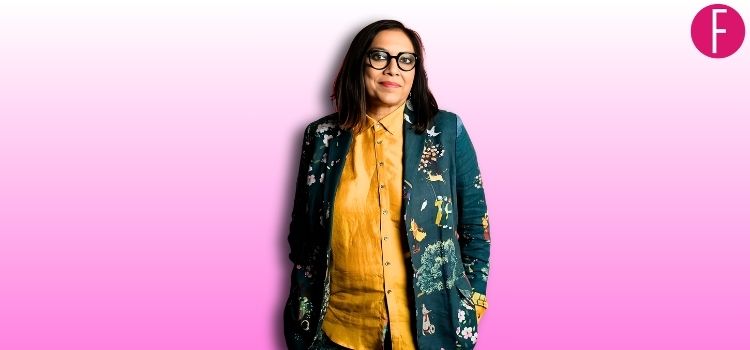
Acclaimed filmmaker Mira Nair isn’t new to telling powerful stories. But in a recent reflection, it was her own story of identity, heritage, and an unexpected homecoming, that took center stage. Speaking about her visit to Pakistan, Nair described Lahore not as a city she merely passed through, but one she felt:
“I had come to a place that was mine.”
Nair’s connection to the region runs deep. Her father was from Lahore, her mother from Amritsar- two cities now separated by borders but forever intertwined in history and memory. “We grew up with the poems of Faiz, we grew up with Iqbal,” she shared, recalling a childhood immersed in the rhythm and soul of Urdu and Persian. “He only spoke Urdu… my mother spoke Hindi and Punjabi,” she added, painting a picture of a household held together by language, poetry, and culture.
That personal archive of lyricism found new life in Lahore. From the music she heard to the people she met, the experience was full of unexpected softness, creativity, and human warmth.
What moved her most was how starkly different the reality of Pakistan was from the version often portrayed in mainstream international media. “How deeply different the actual experience of being in Pakistan was from what the newspapers said Pakistan would be,” she emphasized. For someone who grew up on both sides of a cultural legacy often politicized or misunderstood, the visit to Lahore wasn’t just personal, it was transformational to say the least.
In Nair’s memory, Lahore comes alive not as a backdrop to conflict, but as a living, breathing extension of shared histories and collective dreams. It was a reminder of everything art, music, and cultural memory can hold—and everything that gets lost when narratives are reduced to headlines.
For her, Lahore wasn’t just a stop. It was a return. A reclaiming. A place that was hers. Listen in here:
Mira Nair’s storytelling has always bridged worlds, whether through films like Salaam Bombay or The Reluctant Fundamentalist, she brings nuance, empathy, and a deep cultural sensitivity to the screen. It’s no surprise that her connection to places like Lahore goes beyond sentiment – it informs her art. Today, her son Zohran Mamdani carries forward a legacy of activism and representation in his own way, as a New York State Assemblyman and in this NYC mayoral campaign. Between mother and son, theirs is a story shaped by poetry, politics, and a belief in building connections where others draw lines.
Sources: Think Fest Pakistan

