

A migrant boat carrying 65 passengers capsized near the Marsa Dila Port in Libya, resulting in the confirmed deaths of at least seven Pakistanis, including six from Khyber Pakhtunkhwa’s Kurram and Bajaur districts, the Ministry of Foreign Affairs confirmed Tuesday.
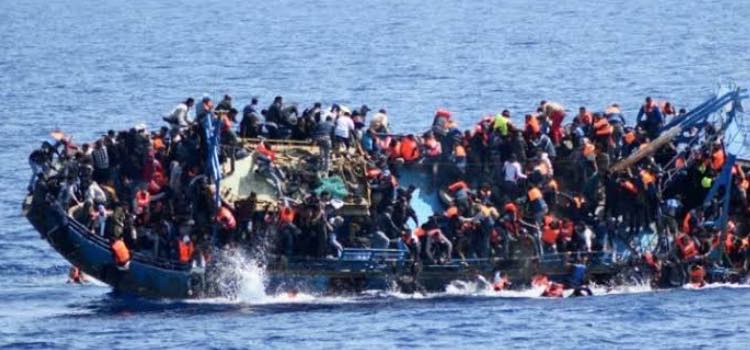
According to the Pakistani Embassy in Tripoli, 10 bodies have been recovered so far, while authorities continue efforts to identify the victims. Out of the 65 people aboard, 35 Pakistanis have survived, and approximately 30 individuals are currently in the custody of Libyan police.
This marks the fourth such incident in the past two years, underscoring the ongoing dangers faced by migrants attempting perilous sea crossings. In response to the growing human smuggling crisis, Pakistan’s Establishment Division has removed the Director General of the Federal Investigation Agency (FIA) from his position and dismissed over 40 officials for allegedly facilitating human smuggling networks.
A spokesperson for the Foreign Office confirmed that a crisis management unit has been activated to coordinate relief efforts. Additionally, a team from the Pakistani Embassy in Tripoli has been dispatched to Zawiya Hospital to assist local authorities with identification processes and provide support to affected families.
The Libyan Red Crescent reported that the recovered bodies were retrieved in the city of Zawiya and handed over to local authorities for legal procedures. However, Libyan media sources have yet to disclose the cause of the boat’s sinking or the full identities of the passengers.
This latest tragedy has revived painful memories of a similar incident in January 2025, when a boat carrying 86 migrants—66 of them Pakistani—capsized near Morocco. In that case, only 36 people were rescued, while 50 lives were lost.
As investigations continue, authorities in both Libya and Pakistan are working to ascertain the identities of the deceased and provide assistance to survivors.
This tragedy is yet another grim reminder of the perils faced by migrants in their pursuit of a better life. Time and again, overcrowded boats capsize, leaving behind shattered families and unanswered questions. Yet, beyond the headlines and official statements, little seems to change. These incidents expose not just the dangers of illegal migration but also the failure of global systems to provide safe and legal pathways for those seeking a way out of economic hardship and instability. While authorities are quick to investigate and penalize individuals linked to such tragedies, the broader conversation about why so many feel compelled to take these life-threatening risks remains largely ignored. Without meaningful efforts to address poverty, lack of opportunities, and regional conflicts, the cycle of desperation and death at sea will persist.
Source: AAJ News, The News

