

Empower yourself for the 2024 elections with our detailed step-by-step guide on casting your vote. From understanding the process to making your mark, we’ve got you covered.

So, you know that big day coming up on February 8th? Yeah, the one where we get to vote? Well, it’s kind of a big deal. Think about it – voting isn’t just about checking a box or dropping a piece of paper in a slot. It’s our chance to have a say in how things are run around here.
As the upcoming elections loom on the horizon, it’s imperative to pause and reflect on the profound significance of casting our votes. In every democratic society, voting stands as the cornerstone of civic participation, symbolizing not just a right but a sacred duty bestowed upon every citizen. It’s through our votes that we assert our voices, shaping the course of our nation’s future and safeguarding the principles we hold dear.
Each ballot left uncast represents a missed opportunity to contribute to the democratic process, diminishing the vibrancy of our democracy. As we approach the polling booths on February 8th, let us remember that our votes hold the power to shape the trajectory of our nation.
Every decision made by those in power affects us, our families, and our communities. So why sit back and let others decide our fate?
We often hear people say, “My vote won’t make a difference.” But what if everyone thought that way? It’s the collective power of individual voices that ignites change. It’s the ripple effect of millions of votes that creates waves of progress.
Here is a step-by-step guide on how to vote in case you’re a new voter or need to brush up on the basics!
1. Find Out Your Polling Station
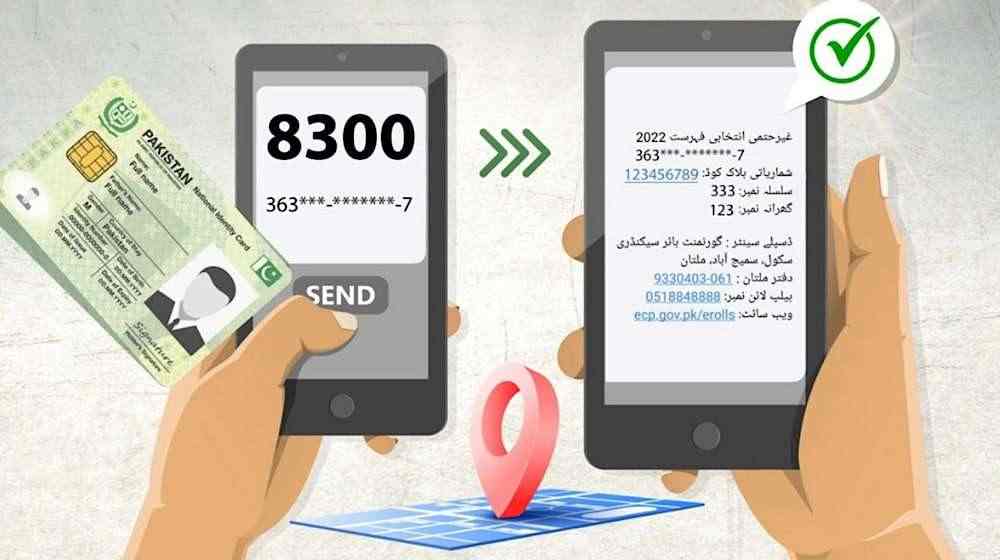
Before heading to the polling station, confirming your designated voting location is essential. You can do this by texting your CNIC number (without spaces or dashes) to 8300, and the Election Commission of Pakistan (ECP) will promptly provide you with the necessary information.
Remember to bring your original CNIC; photocopies or other documents won’t be accepted.
Additionally, leaving your cell phone in a secure place before entering the polling station is important, as carrying it inside won’t be permitted.
2. When You’re At The Polling Station
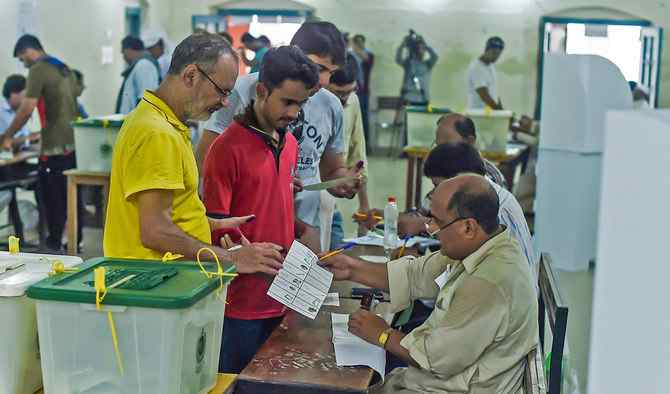
When you approach the polling booth, the first official you’ll interact with is the polling officer. Their role is crucial as they are responsible for verifying that each voter carries a valid CNIC.
Upon presenting your CNIC, the officer will check your name against the electoral roll provided at the polling station. After confirming your identity, they will call out your name loudly. This step allows polling agents from various political parties present at the booth to verify your particulars and mark your name off their lists.
Remember, voting takes place from 8:00 am to 6:00 pm, so it’s advisable to arrive early to avoid long queues.
Once it’s your turn, the presiding officer will verify your name and electoral number and provide you with two ballots. It’s essential to check for the presiding officer’s signature and stamp on the back of both papers. Failure to do so could result in your vote being invalidated.
3. Casting Your Vote
Once verified by the polling agents, the polling officer will mark your thumb with a special ink that cannot be erased. This ink serves as proof that you have exercised your right to vote. Additionally, you’ll need to provide your thumb impression on the electoral rolls.
Following this, you’ll be directed to the assistant presiding officer, who sits next to the polling officer. This official will hand you two ballot papers, one for the national assembly and the other for the provincial assembly. Before receiving the ballot papers, you’ll need to print your thumb impression on the counterfoils, which are kept for record-keeping purposes.
Remember, the green ballot paper is for the National Assembly, while the white one is for the provincial assembly.
It’s crucial to ensure that the assistant presiding officer has signed the back of each ballot paper as well as the counterfoil. Failure to do so could lead to your votes being questioned and potentially canceled during the counting process.
So, double-check to ensure that all necessary signatures are in place to safeguard the validity of your vote.
4. Things To Remember
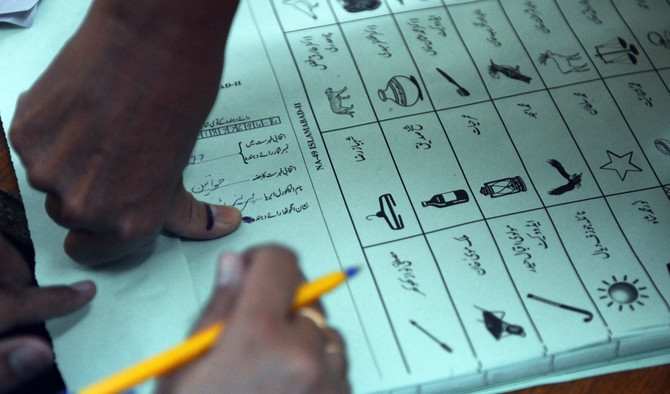
It’s crucial to ensure that your vote is valid to make your visit to the polling station worthwhile. Your ballot paper will be considered invalid if it:
- Lacks the official code mark or the assistant presiding officer’s signature.
- Lacks the Election Commission of Pakistan’s watermark.
- Lacks the official nine-matrix seal.
- Has any paper or material attached to it
- Contains stamps on more than one candidate’s election symbols.
- Appears equally marked in more than one candidate’s boxes.
Replacement of a faulty ballot paper isn’t permitted. Therefore, it’s essential to make your decision before entering the booth, as there’s no opportunity to change your choice once the paper is stamped.
Furthermore, ensure privacy while casting your vote. Check for any cameras and ensure that no one can observe your voting choice. If anyone attempts to influence your vote, report them immediately to the polling officer.
Once you’ve stamped your ballot papers, ensure the ink is dry before correctly folding the ballot paper as instructed.
Note: Additional Director General (ADG) Haroon Shinwari announced on Monday that the Election Management System (EMS) glitches have been effectively resolved ahead of the upcoming ballots on February 8.
He highlighted that voters with expired IDs would not encounter obstacles in exercising their right to vote. Shinwari stated that a directive has been issued to all staff members, stressing the importance of allowing individuals with expired ID cards to cast their votes.

