

In late June 2025, a sudden flash flood struck the Aeenabad nullah near Attabad Lake in the Gilgit-Baltistan region of Pakistan, sending torrents of water cascading into the valley and directly impacting the upscale Luxus Hunza Hotel located at the lakeshore.
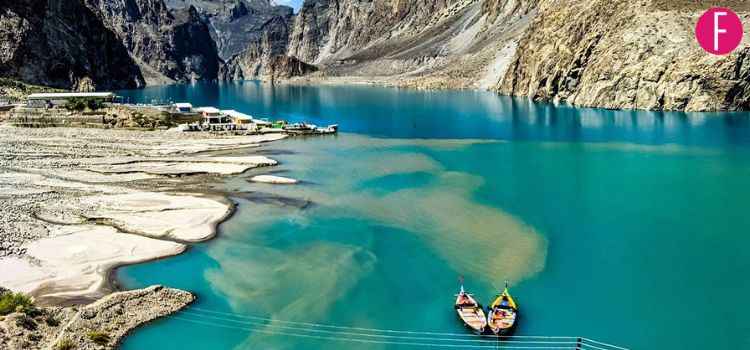
The incident, which occurred on June 25, was dramatic in its speed and scale. Video footage posted online showed water bursting into the hotel premises, forcing tourists and staff to scramble for safety. Emergency exits were used to evacuate visitors, and while no serious injuries were reported, the visuals of lakewater flooding the hotel stirred concern and raised broader questions about infrastructure, preparedness, and environmental responsibility in the region.
The timing of the flood was not entirely unexpected. Just days prior, on June 23 and 24, the Pakistan Meteorological Department and National Emergency Operations Centre had issued advisories warning of incoming monsoon activity and the elevated risk of flash floods across northern Pakistan, particularly in hilly regions such as Gilgit-Baltistan. The warnings noted that the period from June 25 to June 29 was especially susceptible to sudden flooding due to a combination of heavy rainfall and pre-monsoon glacier melt – conditions that align precisely with what occurred at Attabad.
While the flood itself made headlines, the incident was further magnified by a growing online controversy involving the Luxus Hunza Hotel. A British travel vlogger who had visited the hotel earlier in the season posted claims on social media suggesting that the hotel was discharging sewage directly into Attabad Lake. The allegations were accompanied by video clips purporting to show discolored water flowing near the hotel’s shorefront. This triggered heated online debate. Some defended the resort, noting the natural turbidity of the lake caused by glacial sediment, and asserting that the videos failed to prove any illicit dumping. Others expressed concern over the unchecked expansion of lakeside tourism without rigorous environmental regulation. Local residents and returning tourists offered mixed views, with many calling for formal inspections and water testing to settle the matter conclusively.
The environmental context of the flood is complex and rooted in both natural and human-driven dynamics. The Attabad Lake itself was formed in 2010 when a massive landslide blocked the Hunza River, creating a deep artificial reservoir that reshaped the local geography. The terrain above the lake remains geologically unstable, characterized by steep slopes and loose debris, making it highly vulnerable to landslides and flash flooding. Moreover, the accelerated melting of glaciers due to rising temperatures – intensified this year by early heatwaves – has increased the volume of glacial discharge into the lake’s feeder streams, such as the Aeenabad nullah. When coupled with intense localized rainfall, the result is a high likelihood of sudden floods, known in the region as glacial lake outburst floods (GLOFs).
Additionally, the rapid growth of tourism infrastructure along the lake’s shores has introduced new risks. Resorts like Luxus have flourished in recent years, capitalizing on the lake’s striking turquoise waters and scenic backdrop. However, critics argue that the region’s development has outpaced environmental oversight. Concerns include the use of gas-powered speedboats, improper waste disposal systems, and the absence of resilient design standards for natural hazards. The flooding of the hotel – whether from a failed stormwater system, underestimated flood channel, or unforeseen surge – has reignited debate on whether such developments are compatible with the fragile alpine environment.
In the aftermath of the incident, local authorities confirmed that the hotel had taken preventive measures in advance of the flood, including sealing off vulnerable floors. Nonetheless, calls have grown for stricter building codes, regular environmental audits, and enhanced early warning systems. For now, the immediate damage has been contained, but the broader lessons – about climate vulnerability, responsible tourism, and preparedness – remain urgent and unresolved. As monsoon season deepens in the coming weeks, Hunza and its rapidly evolving lakeside communities must grapple with the realities of a changing environment and the high cost of inattention.
Sources: Daily Times, and Express Tribune.

