

Pakistan’s first nationwide HPV vaccination campaign was launched this September with a promise to protect young girls from cervical cancer, a disease that silently takes thousands of lives every year. The vaccine, already used safely in over 150 countries, has the potential to transform women’s health in Pakistan by offering protection long before the risk of infection even begins. Yet, what should have been a landmark step in public health has instead been met with misinformation, resistance, and even violence against health workers.
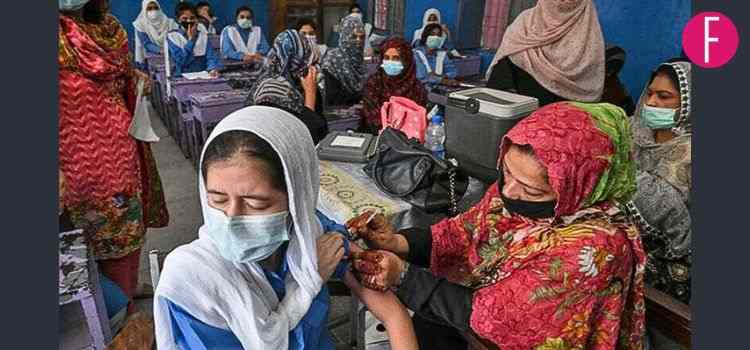
Cervical cancer is one of the most preventable yet deadly diseases for women in the country. Caused in the vast majority of cases by persistent infection with the human papillomavirus (HPV), it claims nearly two-thirds of the 5,000 Pakistani women diagnosed each year. The vaccine is most effective when given between the ages of 9 and 14, before exposure to the virus. For health officials, the campaign is not just about administering a dose — it is about changing the future of women’s health, sparing families the grief of a disease that is entirely preventable.
But the campaign, which set out to reach nearly 11 million girls, has faced hurdles from the very beginning. By its conclusion, officials admitted that only about half of the target had been achieved. In schools and homes across Punjab, Sindh, Islamabad, and Kashmir, vaccinators were turned away. Parents shut their doors, withheld consent, or even concealed their daughters’ ages. Some private schools went as far as closing their gates for days to avoid the campaign altogether. The reason was not a lack of access — it was fear.
False claims spread like wildfire online and in community gatherings. The most damaging rumor was that the HPV vaccine causes infertility, a claim without any scientific basis but one that found easy traction in a country long suspicious of Western-made vaccines. Social media amplified misattributed videos, while political and religious figures openly fanned the flames. In some communities, the vaccine was framed as unnecessary, inappropriate, or even immoral. The stigma surrounding women’s reproductive health only deepened the hesitancy.
The resistance has not only been verbal. In Mandi Bahauddin, two violent attacks on HPV vaccination teams took place within three days. In one incident, a man stormed into a school, attempted to assault a female health supervisor, and caused panic among students. Just days earlier, another woman health worker had been beaten while trying to administer the vaccine. Health workers say these incidents have left them shaken and unwilling to continue without police protection. They speak of assurances that never materialize, and the growing sense that their safety is being sacrificed for political statements.
Amidst this turmoil, there have been moments of courage and leadership. In Islamabad, District Health Officer Dr. Syeda Rashida Batool has emerged as one of the strongest advocates for the campaign. Speaking to the media, she dismissed the rumors outright, stressing that the HPV vaccine is both safe and effective. To lead by example, she announced that her own daughter would be vaccinated, and in a symbolic act at the campaign’s launch, she administered the vaccine to her child herself. For her, the message was simple: if she can trust this vaccine for her own daughter, so should the nation.
Dr. Batool’s efforts have gone beyond symbolic gestures. Under her leadership, the District Health Office organized orientation sessions with journalists, urging them to share accurate information and counter damaging narratives. She engaged civil society groups, religious leaders, and community organizations to act as HPV champions, helping spread awareness in schools and neighborhoods. Her presence at medical student forums and training workshops has been equally powerful, reminding future doctors that their role is not only in clinics but also in communities, where they can challenge myths and build trust.
Federal Health Minister, Syed Mustafa Kamal also took an unprecedented step by publicly vaccinating his teenage daughter, telling reporters that the daughters of Pakistan are as dear to him as his own. Yet, despite these visible efforts, misinformation has proven stubborn, and the campaign’s numbers reflect the uphill battle ahead.
Polio remains a stark reminder of how resistance, misinformation, and mistrust can keep a preventable disease alive. Despite decades of eradication drives in Pakistan, children continue to contract the virus, leaving behind the devastating consequences of disability. The struggle has never just been medical — it has been social, fueled by suspicion and fear that have hampered vaccination campaigns for years.
This is where the HPV campaign can learn and adapt. Instead of letting misinformation take root, health workers and officials need to proactively engage with communities, especially through social media. Public figures like Dr. Rashida Batool, the Health Minister, and other officials can play a vital role by using their platforms to create open conversations, involve parents and influencers, and counter fear with facts. While some officials fear that too much visibility may trigger backlash, the long-term solution lies in consistent, responsible, and relatable education about the vaccine.
The HPV drive in Pakistan is more than a vaccination campaign — it is a test of trust. It has revealed the fractures in the relationship between state and citizen, the ease with which rumors can override science, and the vulnerability of health workers on the frontlines. But it has also shown the power of leadership, as figures like Dr. Rashida Batool continue to stand firm, embodying both professional dedication and personal conviction.
Protecting girls from cervical cancer is not just a medical duty; it is a moral one. Every dose delivered is a promise of a healthier tomorrow, a step towards breaking the cycle of loss that cervical cancer inflicts on families. For Pakistan, the question now is whether this promise can withstand the weight of fear, resistance, and misinformation. The fight is far from over, but with every girl vaccinated, the path toward a healthier nation becomes clearer.
Sources: Dawn, Pakistan Today, District Health Office Islamabad

