

LAAM Fashion Week wrapped up in Lahore this week, but it didn’t feel like just another addition to the country’s fashion calendar. Instead, it felt like a quiet shift in how Pakistani fashion wants to present itself to the world — more structured, more connected to retail, and far more aware of the realities of today’s consumer.
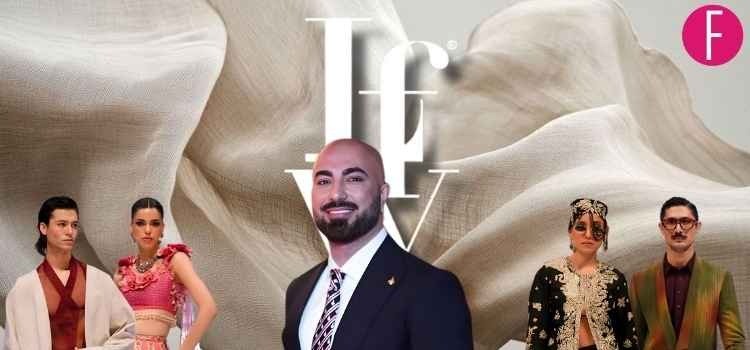
At its core, LAAM Fashion Week wasn’t only about the runway. It was about what happens beyond the runway, once the lights fade and the applause settles.
Understanding the runway-to-e-commerce idea
The most defining element of LFW was its runway-to-e-commerce model, a concept that shortens the distance between admiration and access. Rather than existing purely as visual spectacle, many collections shown during the week were integrated with LAAM’s digital retail platform, allowing audiences to explore, book, or purchase pieces in near real time.
This approach marks a meaningful departure from the traditional fashion week format, where runway looks often remain aspirational and commercially distant. By linking presentation directly with retail, LFW positioned fashion not just as performance, but as an active business ecosystem shaped by technology, timing, and consumer behaviour.
The global livestream across more than a hundred countries further reinforced this shift, signalling an industry increasingly prepared to think beyond local applause and toward international visibility.
HSY and the direction of a new platform
At the centre of this transformation is HSY, guiding what is essentially Pakistan’s first fully e-commerce-aligned fashion week. His involvement feels significant not only because of his stature within the industry, but because the platform reflects a long-standing understanding that creativity alone is no longer enough. Scale, accessibility, and global reach now shape the future of fashion just as strongly as craftsmanship does.
Through LFW, that philosophy translated into structure — a system where storytelling, retail, and digital discovery exist together rather than in isolation. It suggests a broader ambition to move Pakistani fashion from moment-based visibility toward sustained commercial presence.
A runway that mirrored the full ecosystem
Another striking aspect of the week was its breadth. Established couture houses, bridal designers, high-street labels, manufacturing brands, and emerging graduates all appeared within the same framework, offering a more complete portrait of the industry than fashion weeks typically attempt.
This layered representation mattered. It acknowledged that fashion does not operate through glamour alone, but through production networks, young talent, retail scalability, and evolving consumer expectations. By placing heritage names alongside new voices, LFW subtly argued for continuity rather than competition between generations.
Fashion as infrastructure, not just spectacle
What ultimately set LAAM Fashion Week apart was its emphasis on fashion as an economic and cultural system rather than a seasonal showcase. When runway events begin connecting designers to logistics, technology, artisans, and global buyers, they shift from symbolic celebration to functional infrastructure.
That transition carries long-term implications. It supports creative labour beyond designers, encourages commercially sustainable thinking, and aligns Pakistan’s fashion narrative with international industry models where visibility and viability move together.
Looking ahead
As a first edition, LAAM Fashion Week naturally leaves space for refinement and growth. Yet its intention was unmistakable. Rather than recreating older formats, it proposed a different future — one where Pakistani fashion is digitally connected, commercially aware, and globally positioned from the outset.
If sustained, this runway-to-retail vision could become more than an annual event. It could signal the beginning of a more confident, self-directed chapter for the industry.
And that possibility, more than any single collection, is what makes this moment worth watching.


Comments 1