

“Zindagi mein jama nahi, taqseem karna bhi seekhain. Taqseem karenge toh jama khud-ba-khud ho jaayega.”
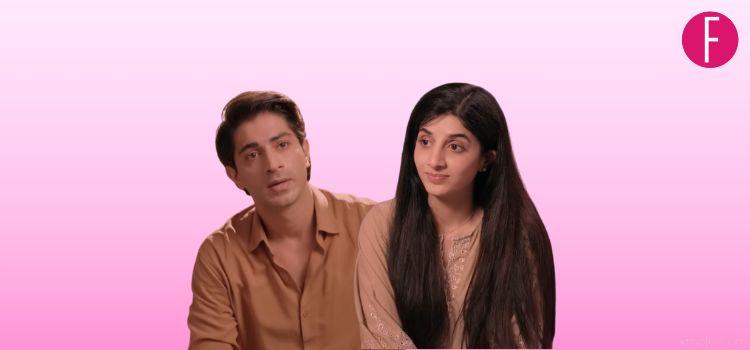
While many Pakistani dramas struggle to deliver an ending that satisfies everyone, Jama Taqseem managed to do exactly that. When most of us expected the drama to take a middle path between joint family living and separate households, it surprised us by clearly advocating separate living after marriage. Perhaps Pakistani drama writers are finally acknowledging changing socio-economic dynamics and boldly addressing long-taboo topics such as harassment within families.
The final episode was uplifting, heart-warming, and a sheer joy to watch. It gave audiences exactly what they hoped for. Jama Taqseem got many things right, making it not only an entertaining watch but also a thought-provoking drama that offered guidance.
We are especially glad the drama showed Sidra rejecting both Faisal and Zeeshan, choosing herself over everyone else. While we feel sorry for Faisal, he was genuine and a good man. Instead of sympathy, he should have simply expressed that he liked her. The drama also delivered a strong message of hope: that even after experiencing challenging events in life, recovery is possible and one can carve out their own path.
A big shout-out to Rafeeq Sahib for finally telling Hameed that he cannot stay in his house till Majeed and his family are living there. For once, Rafeeq Sahib did the right thing and said the right words.
While we are not against the joint family system, we agree with the drama’s stance that the choice should lie with the children and should never be forced. Business, money, and assets should be divided at the right time. Sometimes the joint family system can help restrain people like Hameed from their poor habits and impulsive emotional decisions, but at other times it can become a hindrance for people like Majeed, preventing them from growing and realizing their true potential.
The drama also reminded us that living separately does not mean breaking family bonds. Qais creating the WhatsApp group was extremely relatable, as were the weekly one-dish lunches and dinner plans.
Zeeshan’s turnaround was another strong point, and it was satisfying to see him finally support his father at work.
One of the most important messages the drama delivered, especially for older couples, was that they must have lives and interests of their own. Their existence should not revolve solely around their children. Rafeeq Sahib and Shahida going for walks, making YouTube videos, and teaching Tajweed gave them purpose and identity beyond parenthood. The drama effectively challenged the long-held belief that once you retire and your children grow up, your life ends.
Laila and Qais once again shared a beautiful conversation, resolving differences with understanding and apologies. The drama also highlighted the need for extra care and attention toward women during pregnancy, something many of us tend to dismiss today by saying, “So many have done it, what’s the big deal?”
Thank you to the team of Jama Taqseem for delivering a drama that earned a special place in our hearts – one that made us smile, think, feel sad, and learn, all in a graceful way. The casting deserves special appreciation, as every actor fit their role perfectly. Performances were heart-winning, the direction was brilliant, and the story never lost its grip on the audience. A huge shout-out to Serwat Nazir for writing such a progressive script.
Catch Up The Latest Drama Stories Here
Jama Taqseem is written by Sarwat Nazir and directed by Ali Hassan. It is a project of MD Productions and is airing on HUM TV. The cast includes Mawra Hocane, Talha Chahour, Javed Sheikh, Deepak Perwani, Madiha Rizvi, Hassan Ahmed, Tazeen Hussain, Amna Khan, Beo Rana Zafar, and more.

