

When it comes to losing weight, many people focus solely on the number on the scale. However, weight loss and fat loss are not the same thing. While weight loss includes water, muscle, and fat loss, fat loss specifically targets reducing body fat while preserving muscle mass.
To help clear up common misconceptions, our on-board dietitian, Fareeha Jay, answers key questions about fat loss, muscle retention, and the best strategies to achieve a leaner, healthier body. Whether you’re wondering about the role of protein, the best balance between cardio and strength training, or how to track progress beyond the scale, this guide provides insights to support your fitness journey.
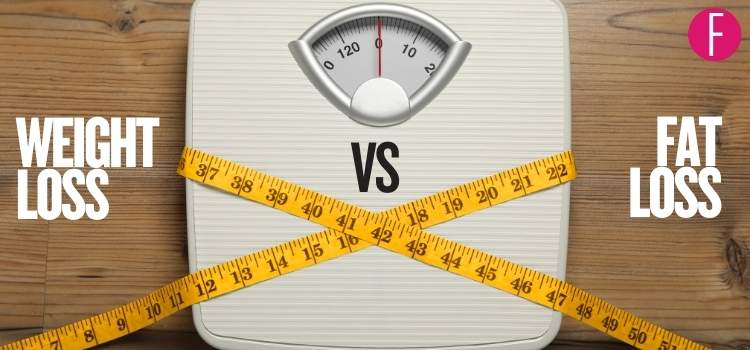
What’s the difference between fat loss and weight loss? Does the number on the scale tell me if I’m losing fat or muscle?
Weight loss refers to the overall reduction in body weight, which includes water, muscle, and fat loss. In contrast, fat loss specifically refers to the reduction of body fat. When using a standard scale, it is not possible to determine fat loss, as regular scales only measure total weight.
How can I lose fat without losing muscle? What’s better for fat loss: cardio or strength training?
When following a diet, some degree of muscle loss is inevitable. To effectively lose fat, you need to maintain a calorie deficit while ensuring your diet is balanced and rich in protein. Every meal should include a source of protein. Many people focus primarily on cardio when trying to lose weight, but while cardio is important, incorporating resistance training is essential for muscle synthesis. Resistance training helps preserve and build muscle mass. Ultimately, successful weight loss requires a combination of proper nutrition, exercise, rest, quality sleep, and stress management.
Why do I need to eat more protein if I’m eating less to lose fat?
Protein plays a crucial role in preserving muscle and preventing muscle loss. When combined with strength training, it supports metabolism and helps prevent it from slowing down. Additionally, consuming protein promotes a feeling of fullness and lowers levels of the hunger hormone, making it easier to maintain a calorie deficit.
If I build muscle, why might my weight stay the same or even go up?
As you incorporate a balanced diet rich in protein along with a mix of cardio and strength training, your body begins to build muscle. Gaining muscle adds to your overall weight. While you may be losing fat, this change may not be reflected on a regular scale, as muscle also has weight. For those engaging in strength training, relying on a scale for progress can be misleading. Consider athletes like rugby players and wrestlers—if they were to measure only their weight, it would appear high, but that doesn’t mean they are unhealthy or carrying excess fat.
How can I check my progress without relying on the scale?
Use simple methods to track progress, such as checking if your clothes feel looser than before. You can also use a tape measure to track changes in your waist and hip measurements over time and compare them after a set period.
Do I need to eat differently on workout days vs. rest days to lose fat?
Your diet should remain consistent, but it’s important to listen to your body. Some days you may feel hungrier, while on others, your appetite may be lower—this is completely normal. The key is to maintain balanced nutrition while allowing for small adjustments as needed.
Why is having more muscle good for burning calories?
Muscles are metabolically active, meaning they help burn more calories even at rest. Increasing muscle mass boosts your basal metabolic rate (BMR), as the body requires more energy to maintain muscle, leading to higher calorie expenditure.
How do I balance cardio and weight training to lose fat but stay strong?
Incorporating both strength training and cardio will naturally support weight loss over time when combined with other key factors. Additionally, it will undoubtedly make you stronger. Striking a balance between the two is essential—for example, aiming for three strength training sessions and two cardio sessions per week. However, this ratio can vary based on individual goals, needs, and preferences.
The information provided in this guide is for educational and informational purposes only and is not intended as medical advice. Always consult with a qualified healthcare professional, dietitian, or physician before making any significant changes to your diet or exercise routine, especially if you have pre-existing health conditions. Individual results may vary based on factors such as genetics, lifestyle, and adherence to dietary and exercise recommendations.
Fareeha Jay is a Registered Dietitian based in Plymouth. She is working as a Diabetes specialist, delivering educational sessions to people newly diagnosed with Type 2 Diabetes. She also runs her private practice. Her work entails online consultations with South Asians all over the world.
If you wish to view her work, below are the links to her social media handles;
Instagram:
https://www.instagram.com/dietitian_fareehajay
Twitter:
https://twitter.com/FareehaJay
Youtube:
https://www.youtube.com/@dietitianfareehajay

