

Words fall short when talking about Muniba Mazari. Known as the iron lady of Pakistan, Muniba Mazari is an artist, human rights activist, motivational speaker, UN’s goodwill Ambassador, Pakistan’s first wheelchair-bound model, and the list goes on.
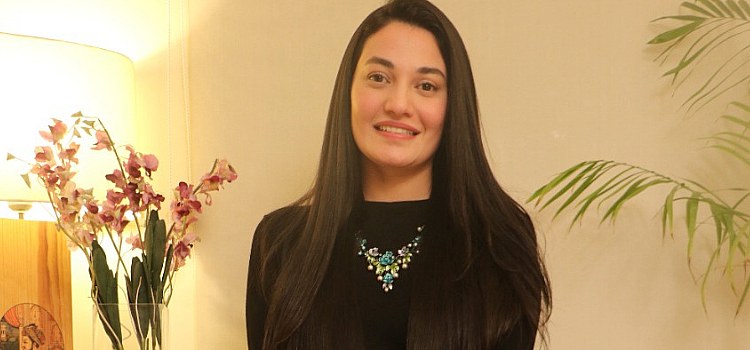
She was left paralyzed from the waist down at just 21 years of age but, she didn’t give up. What kept her going was her love for painting which she discovered lying in her hospital bed. She came out stronger from this experience and we commend her for that! Muniba started speaking about her experience on several platforms such as TED and the UN. Through her platform, she also motivates young girls to not give up no matter how tough life gets. Her passion for women’s rights and the marginalized community is often reflected in her social work.
FUCHSIA Magazine had the honor of speaking to her recently and this article will focus on how she has become a pillar of strength for the marginalised community and how she is teaching us to be more accepting of differently-abled people.
Thought Behind Working With The Transgender Community
Muniba Mazari has always been vocal about the rights of the marginalized community and she has been more active in her work with the transgender community in the past few years.
This is the way of life, she says. For Muniba Mazari, she doesn’t do it to be a good person, she does it because this is how life should be like. As a child, she was taught that there are three genders, men, women, and transgender. Her food drives are for all the people on the streets and as she calls it, it’s ‘Allah ka Dastarkhaan’ where everyone is welcome, be it men, women, children, or transgenders.
Your physical appearance does not define your capability
Muniba Mazari
Obstacles Muniba Mazari Had To Face
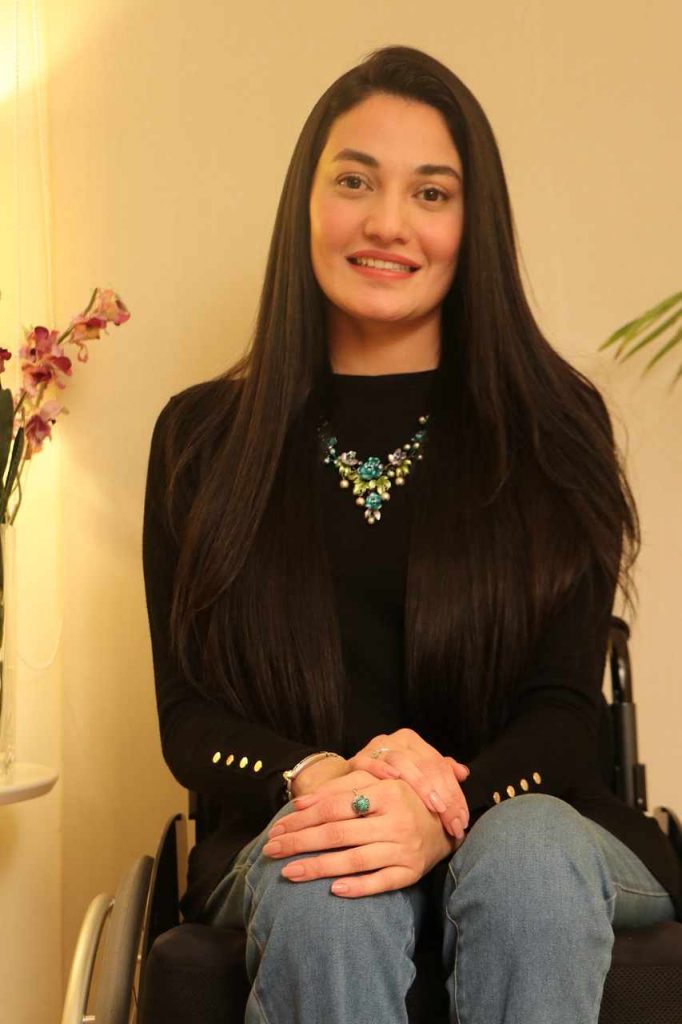
People in Pakistan do not know and have never been taught how to interact with differently-abled people. Muniba had people come up to her and say the vilest, most insensitive things to her including “you should be thankful nothing happened to your face” and “she’s too pretty to be in a wheelchair.”
She added that if you don’t know how to interact with someone who’s in a wheelchair, just pass a smile, how hard can that be? It is not always necessary to say something just to fill the silence.
How Can The Government Help Facilitate Differently Abled People?
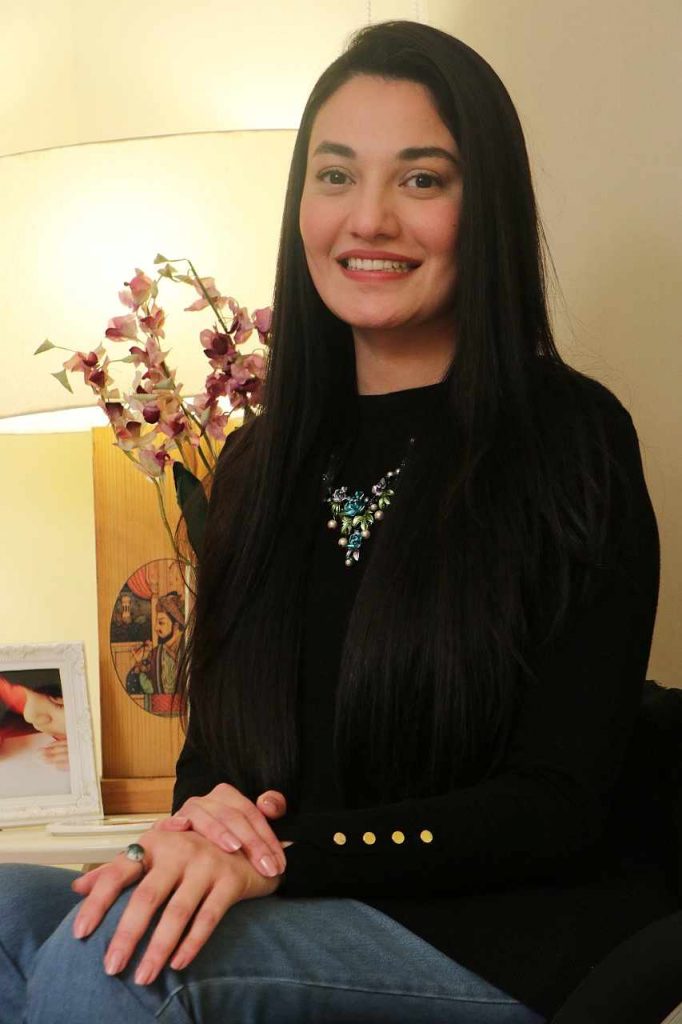
Muniba Mazari revealed that Pakistan has an Accessibility Law, the most our government can do is ensure it’s implemented. Most of the places in Pakistan (where Muniba is also often invited to) do not have wheelchair-friendly slopes. A wheelchair-bound person cannot rent out houses in Pakistan because the bathrooms aren’t wide enough to fit a wheelchair. These are just some examples of the obstacles differently-abled people have to face and overcome, she mentioned. There must be a plethora of them that we aren’t aware of.
The rest is up to us to change our mindsets. Stop referring to people as ‘Allah ka azaab’ and start accepting the fact that everyone is on a journey. Don’t make life harder for people than it already is. The least you can do is be kind.
Muniba Mazari is truly an inspiration. We thank her for paving the way for other differently-abled people who did not have anyone to look up to before. If Muniba Mazari can model, host, and deliver a speech at the UN, so can other differently-abled people. Muniba Mazari has made us believe that our problems are only as big as we make them.

