

Tensions between Pakistan and Afghanistan have reached a dangerous new peak. What began as sporadic exchanges along the border has now escalated into some of the most serious clashes seen in recent years — with both sides trading heavy fire and airstrikes.
What Triggered the Escalation
The current wave of violence began after explosions shook Kabul on Thursday night. Afghan officials blamed Pakistan for carrying out an airstrike on a market in Paktika province, claiming civilian casualties. Reportedly, Pakistan’s security apparatus say the operation was a targeted action against militant hideouts — part of a growing effort to neutralize threats operating across the border.
For months, Pakistan has been raising alarms over the surge in terror attacks inside its own territory, particularly in Khyber Pakhtunkhwa and Balochistan. Intelligence reports point towards the Tehreek-e-Taliban Pakistan (TTP), a group believed to be using Afghan soil as a safe haven. Despite repeated communications and evidence shared with Kabul, Islamabad says there’s been little to no meaningful response. Thursday’s airstrike, then, appears to have been Pakistan’s signal that patience has worn thin.
The Retaliation
Within 48 hours, the situation erupted into open conflict. The Taliban government confirmed what it called “retaliatory operations” across several points along the border — from Kunar to Helmand — claiming to have captured Pakistani posts and inflicted heavy casualties. Zabihullah Mujahid, spokesperson for the Taliban government, stated that 58 Pakistani soldiers were killed and 30 injured in the overnight clashes.
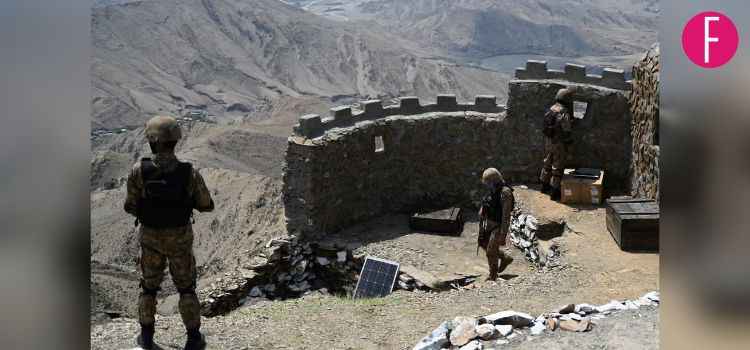
Recent news by the state media reported that the Pakistan Army seized at least 19 Afghan border posts in response, destroying Taliban camps and strongholds along the frontier. Interior Minister Mohsin Naqvi condemned the attacks as “unprovoked” and accused Afghan forces of firing on civilian populations, warning that “for every brick, there will be a stone in response.”
In a press briefing following the escalation, DG ISPR Lt Gen Ahmed Sharif Chaudhry reiterated that Pakistan would not tolerate cross-border militancy. He urged the Afghan administration to prevent its soil from being used against Pakistan, adding that the state reserves the right to act in self-defence when civilian lives and territorial integrity are threatened.
A Crisis Years in the Making
To understand how the border reached this point, it’s important to look at the wider picture. Since the Taliban’s return to power in 2021, relations between the two neighbours have been strained by growing mistrust. Pakistan initially hoped that a friendly government in Kabul would help stabilize the region and curb cross-border militancy. Instead, the opposite has happened.
Terror incidents inside Pakistan have surged over the last two years, with the TTP claiming responsibility for deadly attacks on security forces. Islamabad has repeatedly alleges the Afghan Taliban of turning a blind eye to these groups — or, at times, quietly enabling them. Kabul, meanwhile, insists Pakistan’s security challenges are internal and not its responsibility. The result has been a cycle of blame that has now boiled over into armed confrontation.
Timing and Diplomacy
The timing of these clashes is significant. They coincided with Afghan Foreign Minister Amir Khan Muttaqi’s visit to India — the first since the Taliban takeover. During the trip, India announced plans to reopen its embassy in Kabul, a move that Islamabad has viewed with unease.
Meanwhile, regional players have urged calm. Saudi Arabia, which recently signed a mutual defence pact with Pakistan, called on both countries to show restraint and resolve their differences through dialogue. Iran and Qatar echoed similar concerns, warning that continued escalation could undermine regional peace and economic cooperation.
What Lies Ahead
Both sides are now publicly holding their ground. For Pakistan, the threat of militant resurgence is real and immediate. For Afghanistan, the need to assert control and credibility after years of international isolation is equally high. The longer this standoff continues, the greater the risk that local skirmishes could evolve into something far more dangerous.
What’s unfolding along the 2,500-kilometre border isn’t just about disputed posts or airspace — it’s about years of unresolved tension, mistrust, and broken promises. Both sides have seen too much loss to ignore what’s at stake. The question now is whether they can step back before this border turns into a full-blown war zone.
Sources: Dawn, Al Jazeera, Reuters, BBC, The Guardian

