

Pakistan’s offshore oil and gas exploration has been officially reopened after almost two decades of inactivity. This is one of the largest energy projects Pakistan has experienced in the modern era.
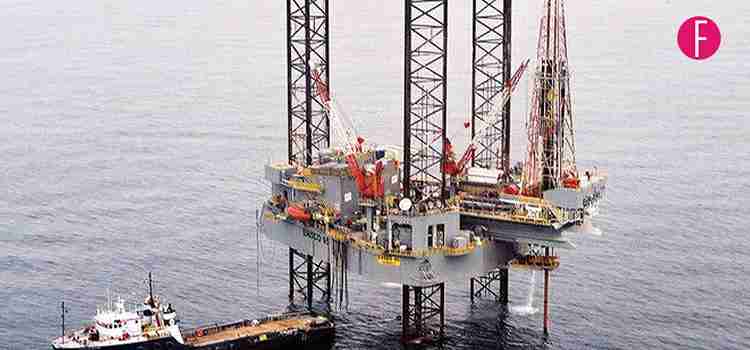
This new exploration is to help Pakistan address its fiscal strain caused by the rising cost of imported fuel, continuing power outages, and decreasing foreign currency reserves. Restarting exploration efforts will allow Pakistan’s government to reduce its reliance on foreign energy sources and, ultimately, help build a stable state.
The government of Pakistan recently entered into production sharing agreements (PSAs) and exploration licenses (ELs) for 23 offshore blocks located in the Indus and Makran basins off the coast of Sindh and Balochistan under the Offshore Bid Round 2025 program. All of these blocks total over 54,600 square km of Pakistan’s maritime territory. Officials believe this initiative will begin an era of growth for the country’s energy sector, especially considering the potential for commercially viable reserves to be found under the Arabian Sea.
Petroleum Minister Ali Pervaiz Malik presided over a ceremony to sign the agreements, calling it an “historic milestone” for Pakistan’s energy future. The Petroleum Ministry states that the initial exploration phase will attract approximately $82 million of investment in the next three years. Companies will perform seismic surveys, geological study of the area and complete all other technical evaluation activities necessary to determine how much oil and gas may exist beneath the ocean floor during this phase. Investment in the next phase of drilling is likely to increase significantly if the results from previous phases are positive, with some estimates approaching $1 billion.
Renewed offshore activities are crucial because previous attempts at offshore exploration by Pakistan were unsuccessful; in particular, the Kekra-1 ultra-deepwater well drilled in 2019 by a consortium including ExxonMobil, ENI, OGDCL, and PPL led to some degree of optimism over a large find, but ultimately resulted in the declaration of a dry hole and made it much harder for Pakistan’s ambitions to achieve success with offshore drilling activity.
Experts continue to contend that there are unexplored areas throughout all of Pakistan’s offshore basins, especially when compared with adjacent nations. As of now, there have only been 18 exploratory wells drilled in the offshore region of Pakistan since independence, even though Pakistan has an offshore area of more than 282,000km2. According to energy analysts, limited exploration equates to a very high probability that there exists untapped reserves ready to be produced.
Among the companies participating in the latest offshore round, Mari Energies emerged as the biggest stakeholder. The company secured interests in all 23 offshore blocks, operating 18 directly while partnering in five others. State-owned companies OGDCL and PPL also received several blocks, while Prime Global Energies secured one block as operator. Some projects will involve international collaboration, including partnerships with Turkish Petroleum Overseas Company, highlighting Pakistan’s effort to bring foreign expertise and investment into the sector.
In order to create more interest from foreign companies, Pakistan has developed new offshore exploration policies and strengthened international collaboration in the energy industry. Earlier this year, Pakistan invited American and other international firms to take part in offshore bidding rounds, as well as entered into separate agreements with Türkiye for joint exploratory work in the offshore sector. Officials believe these partnerships will restore some level of investor confidence back into the oil and gas sector in Pakistan.
Khyber Pakhtunkhwa and other regions with minor onshore oil and gas finds have led to government optimism about the future prospects of the hydrocarbon sector. Some officials in the country believe these reservoirs confirm that there is considerable potential for growth in this crucial industry, despite being under-funded and undergoing many challenges in the past.
However, experts warn that offshore drilling is a costly and technologically sophisticated endeavour with many obstacles to achieving success. Deepwater drilling will require advanced technology as well as qualified personnel and long-term financial commitment to be successful. The previous offshore geological drilling campaigns were also unsuccessful mainly due to issues related to the very high costs, geological adverse conditions and not sufficient confirmation of commercially viable reserves, after spending a lot of money. There are also many environmental concerns associated with drilling offshore, especially in the ecologically sensitive coastal environments found in Sindh and Balochistan.
Regardless, the government is optimistic that the new offshore efforts could have the potential to significantly change the economy of Pakistan. According to officials, even small finds will result in less dependence on imports, increase the security of energy supply, lure foreign investment and create jobs for the long term. The focus, at this stage, is on gathering and exploring for data – which will determine if the offshore waters of Pakistan will produce the game-changer that Pakistan has been trying to get for 40 Years.
Sources: Arab News, and Business Recorder.

