

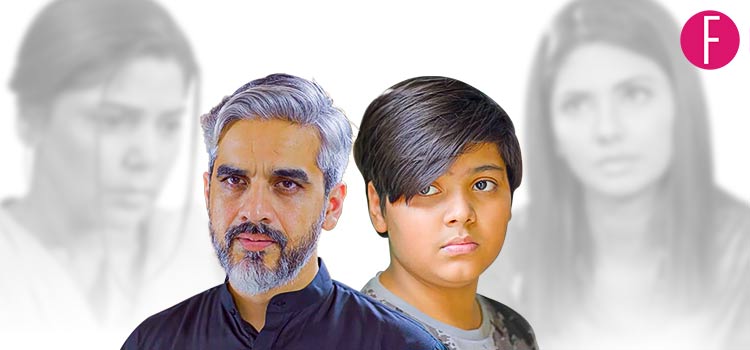
Drugs and Children, who’s responsible – Parents or School? Well done, Pinjra, for starting a much needed conversation. Pinjra has a lot to tell parents.
1. Loss Of A Child
“Mera nahin reha, to tumhara bhi nahin rehay ga beta.”
Harsh words from Umer’s father. But can we really blame him? The pain of losing a child is unbearable, and no one can imagine what parents go through. However, the person on the other side is also a child. Is it just loss and anger that’s making Umer’s father ignore this critical point, or is it his privileged mindset at work?
2. Proving To Be A Good Wife
“Woh roz usay apnay biwi honay ka yaqeen dilati hai.”
When and how do you draw the line between being a mother and a wife? Pinjra highlights another significant relationship dynamic. Wajiha’s drive to be a good and obedient wife is making her ignore her children’s needs.
The dilemmas of a working mother, Wajiha misses out on Dua’s need to punish her father for all the wrong he is done. Pinjra highlights single mothers’ predicament sensitively, showing how they must balance work, face multiple challenges alone, manage the household finances and keep an eye on their children’s lives as well – and it is not always easy. It is uplifting to watch a Policewoman character played by Jannan who is positive, wise and neutral – none of the stereotypical notions attached with the police force are in play here.
3. Reality Check On Drug Intake
“Uski umer hi kiya hai.”
Pinjra throws a harsh reality check. You don’t need to be a certain age to start doing drugs. In fact, the younger you are, the more vulnerable you are. Also, this may be a good moment for parents to make sure that the cctv is operational at their children’s schools. Fardaan’s sense of helplessness and turmoil at Azaan’s situation depicts how friends are affected by each other’s home and family problems and they can play an important role in facilitating the situation.
4. Lost Connection Between Parents & Children
“Jo mujhay acha lugtha tha woh apko nahin.”
What a heart-breaking moment between Abeer and Khadija when Abeer finally shares her feelings with Khadija. Sometimes parents need to accept what children crave and want (or at least have a conversation with them about it) in order to not lose a connection with their children.
5. Women Shouldering the Blame
“Mein sumjha, Tum sub sambhaanl lo gi.”
How ironic were Javed’s dialogues to Khadija. He tells her that he expected her to take care of their home and family when he is out earning for them, so he doesn’t have to worry, but did he empower her, give her enough independence and space to actually do that? He caged her in with his boundaries, and most importantly, he paralyzed her with the fear of his judgements and backlash, if things didn’t go according to how he wanted them to.
Catch The Latest Drama Gup!
Tell us in the comments about what do you think the narratives Pinjra is communicating!

