

Pakistan International Airlines (PIA), the national flag carrier of Pakistan, has long been a symbol of national pride. However, decades of financial losses, political interference, mismanagement, and operational inefficiencies pushed the airline into deep crisis.
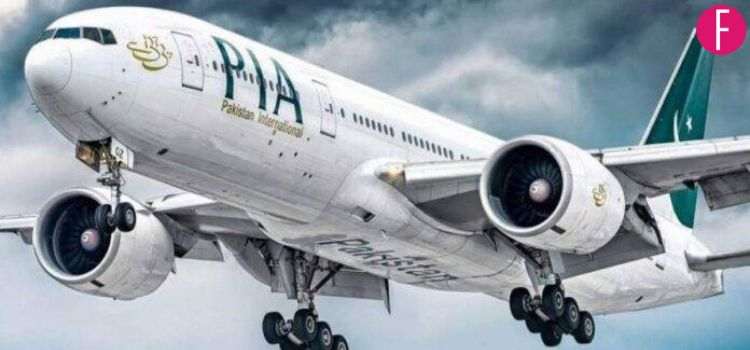
After multiple failed attempts, the Government of Pakistan finally moved forward with the privatisation of PIA in 2025. This decision marks a major shift in Pakistan’s economic policy and is seen as one of the most significant privatisation efforts in the country’s history.
PIA was once among the world’s leading airlines and played a role in establishing several foreign carriers. Over time, excessive political appointments, overstaffing, outdated fleet management, poor service quality, and lack of accountability severely damaged its performance. The airline began accumulating massive losses and relied heavily on government bailouts to survive. By the early 2020s, PIA had become one of Pakistan’s biggest loss-making state-owned enterprises, costing taxpayers billions of rupees every year.
Why the Government Decided to Privatise PIA
The primary reason behind PIA’s privatisation was its unsustainable financial burden on the national economy. The airline had accumulated hundreds of billions of rupees in debt, while its revenues failed to cover operating costs. Additionally, Pakistan’s agreements with the International Monetary Fund (IMF) required the government to reduce losses from state-owned enterprises. Privatisation was seen as a way to bring professional management, reduce fiscal pressure, improve service quality, and make the airline competitive again.
The government had attempted to privatise PIA several times in the past, but these efforts failed due to political resistance, legal challenges, labour union protests, and lack of investor interest. In 2024, a privatisation attempt collapsed when only one bid was received, which was far below the government’s expected value. These failures highlighted the need for structural reforms before the airline could be successfully sold.
To make PIA attractive to investors, the government undertook major restructuring. Most of PIA’s historic debt and liabilities were transferred to a government holding entity, effectively cleaning the airline’s balance sheet. Loss-making routes were discontinued, costs were reduced, and limited operational reforms were introduced. As a result, PIA reported a rare profit in early 2025, improving investor confidence and setting the stage for a successful sale.
The Privatisation Process and Auction
In 2025, the Privatisation Commission formally invited bids for the sale of a majority stake in PIA. Several major Pakistani business groups were pre-qualified after due diligence. The final bidding took place through a live televised auction in December 2025 to ensure transparency. This public process was designed to counter criticism of corruption and favoritism that had surrounded earlier privatisation attempts.
Who Bought PIA
The winning bid came from a private consortium led by the Arif Habib Group, one of Pakistan’s largest business conglomerates. The consortium included companies from sectors such as fertilizers, education, and real estate. They offered approximately PKR 135 billion for a 75 percent stake in PIA, making them the controlling shareholders. The government retained a 25 percent minority stake in the airline.
Under the agreement, the new private owners will take over management control of PIA, while the government remains a minority partner. Employees are guaranteed job protection for at least one year following privatisation. The airline’s name, logo, and national identity will remain unchanged. The new owners have committed to investing in fleet expansion, operational upgrades, and route development over the coming years.
Public Debate
Although the headline figure of PKR 135 billion was widely reported, there has been public debate over how much of this amount represents direct payment to the government versus future investment commitments. Another major point of criticism is that the government absorbed most of PIA’s old debt before the sale, meaning taxpayers continue to bear that burden. Supporters argue that without debt removal, no investor would have taken interest in the airline.
PIA employs far more staff per aircraft than international standards. While the deal protects employees in the short term, concerns remain about long-term downsizing and restructuring. Labour unions have expressed fears that privatisation may eventually lead to layoffs, salary restructuring, and changes in work conditions, despite assurances from the government and new owners.
Following regulatory and cabinet approvals, operational control of PIA is expected to transfer fully to the new owners in 2026. The airline is expected to undergo restructuring, fleet renewal, service improvement, and route expansion. The success or failure of this privatisation will likely influence future decisions regarding other state-owned enterprises in Pakistan.
Whether privatisation proves to be a long-term success will depend on how effectively the new owners manage the airline and whether promised reforms are truly implemented.
Sources: Reuters, DAWN News, and Express Tribune.


Comments 2