

Qatar and its stance on issues like women’s rights and the treatment of migrant workers involved in the building of the infrastructure for the world cup are questionable. Then there’s also the LGBTQ support from western countries that is hard to swallow for many who will be visiting as players, fans, or even media. Add in the restrictions on alcohol and possible curtailing of festivities (where alcohol is a big part of the entertainment quotient) and we have a world cup where Football is not all that will be talked about.
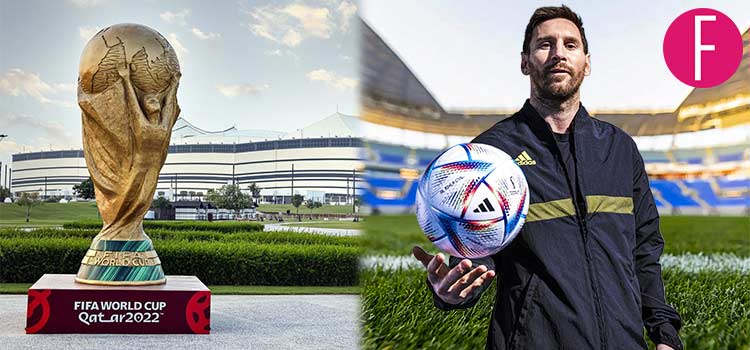
Fifa’s letter earlier this month, tells the 32 teams taking part to “now focus on the football”, that’s roughly over 800 players and a whole of issues that might take centre stage. The debate sparks questions on venues that can be picked for global events and tournaments and on what basis should the choices be made.
The last world cup was held in Russia and if present times are anything to go by, there would far less than 32 teams participating (post Ukraine invasion). If France were to be a venue, the laws against Hijab would take centre stage and if China were a possible choice – oh well, the list goes on.
However, all conversations aside, the one damaging, gruesome and intensely tragic factor that stands out like a gigantic sore thumb is the deaths directly related to the construction of the infrastructure for the world cup. More than 6,500 migrant workers from India, Pakistan, Nepal, Bangladesh and Sri Lanka have died in Qatar since it won the right to host the World Cup 10 years ago. The Guardian
Whether one supports LGBTQ, women’s rights or free speech, or the freedom to wear, eat drink what they want, no one can deny the stupendous loss of lives as a direct result of world cup preps in the country.
Whether a human rights commission will be able to unravel the investigation and account for all those live lost is a question mark the world must answer together and today.
So, for all your love of Football, Soccer, call it what you will, can you, will you be watching the tournament, and even if you choose not to, how can your one vote make a difference to the world and bring back the lives lost, or … prevent such a tragedy from happening again?

