

Bollywood’s latest remix of Reshma’s soulful classic ‘Akhiyaan De Kol’ has transformed the folk song into an item number—prompting questions about cultural appropriation.

Bollywood is at it again, remixing and reinterpreting classic songs, but this time it strikes a nerve with music lovers. The latest controversy revolves around the iconic Pakistani folk song ‘Akhiyaan De Kol,’ originally sung by the legendary Reshma. Filmmakers have revamped this classic for the upcoming film Do Patti, starring Kriti Sanon and Kajol Devgan. This isn’t the first time someone has remade a gem from Reshma; her song ‘Lambi Judai’ also appeared in the 2008 movie Jannat. Is Bollywood engaging in creative innovation, or is it blatantly disrespecting cultural heritage with these revamps?
From Folk to Flamboyance: A Disrespectful Transition?
In Do Patti, the filmmakers transformed the beloved ‘Akhiyaan De Kol’ into a flashy item number, featuring Kriti Sanon in a skin-tight red outfit, dancing to a beat that completely deviates from the song’s original soulful vibe. This decision sparked a firestorm of criticism from fans and cultural commentators who argue that the adaptation sacrificed the essence of the original for views and likes.
“Akhiyaan De Kol” is much more than just a song; it’s a cultural artifact that encapsulates the depth of human emotion and the essence of Pakistani folklore. Its transition into an item song for Do Patti has led many to question whether this modern take is appropriate. The departure from a soulful melody to a flashy number has stirred debate about the integrity of adaptations and the respect owed to original compositions.
Social Media Outcry: The Voice of the People
As the remixed version surfaces, social media has erupted with passionate opinions. Fans have taken to Twitter and Instagram to express their outrage, claiming that this adaptation turns a heartfelt classic into just another catchy tune.
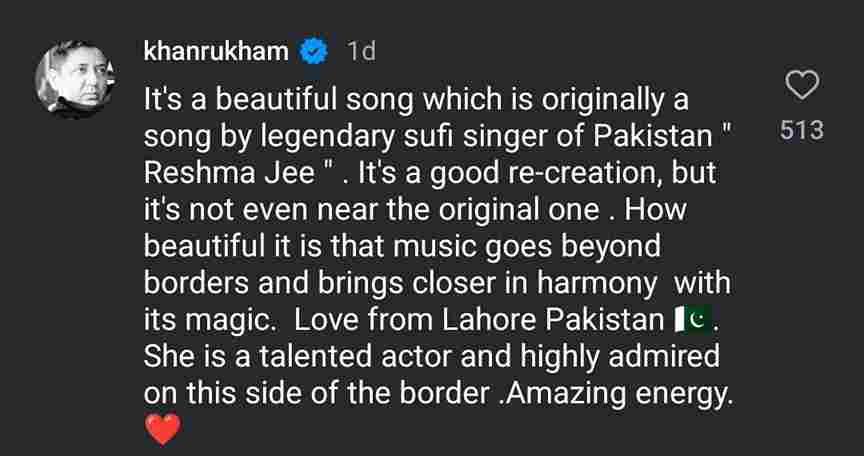


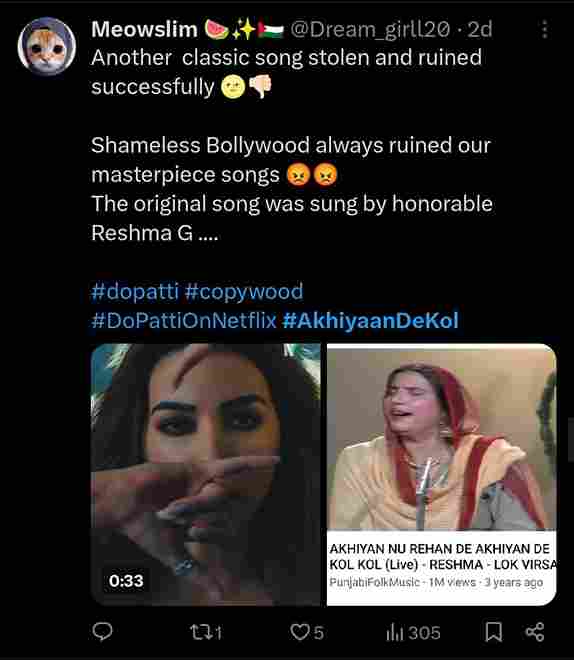



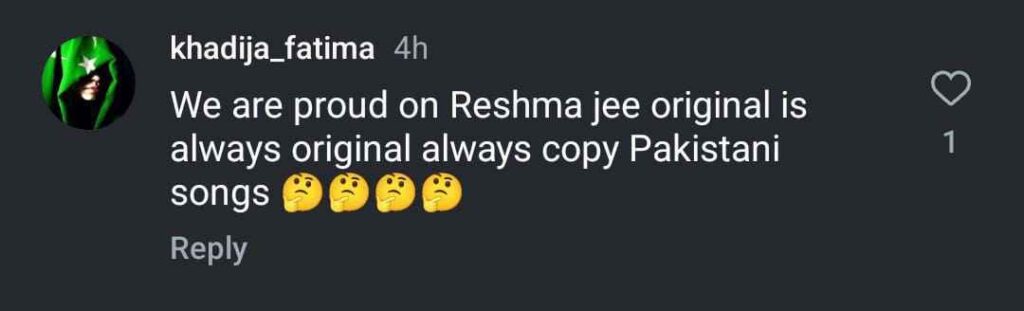

Adnan Siddiqui Speaks Out: A Call for Respect
“Imitation can be flattering, but not when it means tearing apart a classic by a legend. Please show some respect for Reshma Jee and the legacy she left behind. Her music deserves to be treated with the dignity it commands, not reduced to just another sordid ripoff.”
Adnan Siddiqui
Adding to the chorus of disapproval, Pakistani actor Adnan Siddiqui took to social media to voice his concerns.
Bollywood’s Originality Crisis: Is Creativity at a Standstill?
Folk songs like “Akhiyaan De Kol” are not just melodies; they are stories woven into the cultural fabric of society. They embody emotion, tradition, and a sense of belonging. Reducing these timeless pieces to mere commercial fare strips away their identity and meaning, prompting a vital discussion about cultural appropriation and respect.
Is Bollywood running out of original ideas? The heavy reliance on rehashing old hits signals a potential creative drought. While adaptations can offer a fresh perspective, the challenge lies in respecting the original while innovating. Moving forward, there’s a growing call for Bollywood to embrace more respectful adaptations that honor the essence of original songs. The industry can modernize classics without losing their core elements. Fans hope that this backlash will encourage Bollywood to approach future remakes with the sensitivity and creativity they deserve.
Tradition vs. Innovation
Unfortunately, this is not an isolated incident. Bollywood’s remix culture has a history of appropriating and remixing beloved Pakistani songs. Here are some notable examples:
- Disco Deewane: Originally sung by the late Nazia Hassan, this 1981 classic has been revamped in Student Of The Year, diluting its nostalgic essence.
- Boohey Bariyan: This folk hit, originally performed by a legendary singer Hadiqa Kiani, has also found itself in the clutches of Bollywood remixes, often losing its original charm into item song by Kanika Kapoor.
- Jugni: Another cherished folk song by Arif Lohar that has been altered for Bollywood film, losing its authentic roots in the movie Cocktail.
- Pasoori: This recent Coke Studio sensation has also faced the remix treatment, with adaptations that fail to capture its unique flavor and cultural significance in SathyaPrem Ki Katha.
- Nach Punjaban: Abrar-ul-Haq’s super dance hit has been subjected to remixes that strip away the vibrant spirit of its original performance in movie Jug Jug Jeeyo.
- Nusrat Fateh Ali Khan’s Hits: Songs like “Halka Halka” and “Mere Rashqe Qamar” have seen various adaptations, often sidelining the depth and spiritual essence that Nusrat brought to his music.
As this debate continues: Are these remakes cultural heists, or do they represent creative innovation? The answer may depend on how Bollywood chooses to honor the legacy of the songs it reinterprets. In a world rich with musical history, finding that balance could lead to a more respectful and innovative future.

