

If you’ve watched movies or TV in the last decade, there’s a good chance you’ve seen Riz Ahmed. He’s one of the most talented actors working today – and his journey from a Pakistani immigrant family in London to the global stage is pretty inspiring.
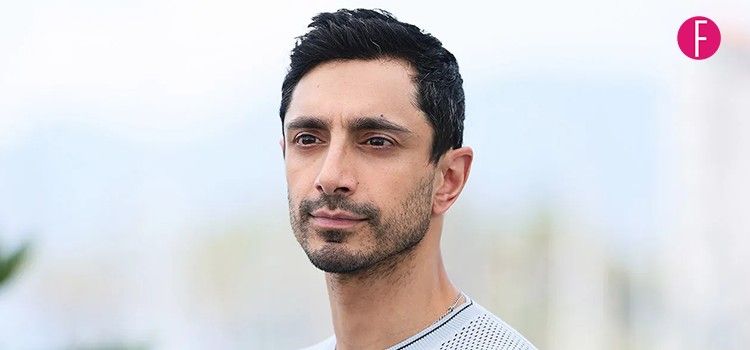
When people talk about actors who have quietly but powerfully changed Hollywood, Riz Ahmed often comes up. His story is not the typical “overnight success” story. In fact, it’s a journey full of small steps, creative risks, and a lot of persistence. And that’s what makes it interesting.
Riz Ahmed was born in London in 1982 to a Pakistani family. His parents had moved from Pakistan to the UK, so he grew up in a mix of cultures – Pakistani traditions at home and British life outside. Like many kids of immigrant families, he didn’t grow up thinking Hollywood was a realistic career. At that time, you rarely saw South Asian actors playing major roles in films or TV shows. Still, Riz loved storytelling and creativity, even if he wasn’t sure yet what that would look like.
He was a good student and eventually went to Oxford University, where he studied Philosophy, Politics and Economics. Oxford might sound like a serious place for someone who would later become an actor and rapper, but that’s where things started to change for him. While studying, Riz got involved in theatre and performance. He also started making music and rapping under the name Riz MC. Music became his first real creative outlet, and through it he found his voice. His rap often talked about identity, culture, and the experience of growing up between two worlds.
His Path To Acting
Acting came soon after. His early roles were in small independent films, including The Road to Guantanamo, which got attention at film festivals. These projects didn’t make him famous overnight, but they helped him build confidence and credibility. Slowly, casting directors started noticing him. Riz had a natural, intense style of acting that felt very real on screen.
Things started picking up in the 2010s. One important moment was when he appeared in Nightcrawler alongside Jake Gyllenhaal. It wasn’t a huge role, but it showed a wider audience what he could do. Soon after, he landed a role in the massive Star Wars universe with Rogue One: A Star Wars Story. Suddenly, Riz Ahmed was part of one of the biggest movie franchises in the world.
But the role that truly changed everything was in the HBO series The Night Of. In the show, Riz plays a college student who gets caught in a terrifying legal nightmare after being accused of murder. His performance was emotional, subtle, and unforgettable. Critics loved it, audiences loved it, and Riz ended up winning an Emmy Award. That moment was historic because he became the first Muslim and first South Asian actor to win a lead acting Emmy.
After that, bigger opportunities started coming his way. But Riz didn’t just chase blockbuster roles. Instead, he looked for projects that challenged him. One of the most powerful examples is Sound of Metal, where he plays a drummer who begins losing his hearing. Riz trained for months, learning drums and even studying sign language so he could fully understand the character’s world. The result was an incredibly moving performance that earned him an Academy Award nomination for Best Actor.
At the same time, Riz has always remained more than just an actor. He continues making music, writing, and speaking about representation in media. He often talks about how films and TV shows portray Muslims and South Asians, and why authentic stories matter. Rather than waiting for the industry to change, he has started creating and producing his own projects.
One of his most talked-about recent projects is Bait, a sharp and slightly chaotic comedy-drama created by and starring Riz Ahmed. The six-episode series follows Shah Latif, a struggling British-Pakistani actor whose life suddenly spirals out of control when rumors start spreading that he might become the next James Bond. The series sits somewhere between satire, comedy, and drama. Shah isn’t portrayed as a perfect hero either – he’s insecure, messy, ambitious, and sometimes completely overwhelmed by the sudden attention. That messy energy is actually what makes the show entertaining. One moment it feels like a classic comedy about fame, and the next it dives into deeper questions about identity, racism, and what it means to belong.
The cast around Riz Ahmed adds a lot of personality to the show. It includes Guz Khan as Shah’s outspoken brother Zulfi, Sheeba Chaddha as his mother Tahira, and actors like Aasiya Shah, Ritu Arya, Weruche Opia, and Sajid Hasan.
Another reason the show has been getting so much attention is its promotional campaign, which has been everywhere online. Clips, trailers, and short comedic moments from the show have been popping up across social media feeds, making it feel like the series is almost living in the same viral world it’s making fun of. In interviews and press appearances, Riz Ahmed has leaned into that playful chaos, joking about the idea of a “brown James Bond” and discussing the pressures actors face when they suddenly become symbols for representation. The promotional clips themselves are fast, funny, and meme-friendly, which is probably why they’ve been spreading so quickly across platforms.
In many ways, Bait feels like Riz Ahmed poking fun at his own career and the strange realities of modern fame. It mixes absurd comedy, industry satire, and personal storytelling into something that feels both entertaining and surprisingly honest. The show may revolve around a fictional rumor about James Bond, but underneath the jokes it’s really about something bigger – how fame works today, how identity gets turned into headlines, and how quickly the internet can turn someone’s life into a public spectacle.
He was a student, a rapper, an indie film actor, a Star Wars pilot, an Emmy winner, and an Oscar nominee – sometimes all within the same decade. His career feels less like a straight line and more like a series of creative experiments.
And maybe that’s the best way to describe Riz Ahmed. He isn’t just trying to fit into the film industry. He’s slowly helping reshape it, one role and one story at a time.

