

It is finally the day we have all been waiting for. ‘Black Friday’ is upon us, or as we say in Pakistan, ‘Blessed Friday.’ A lot of Pakistani brands are offering great discounts till Sunday and we are sure most of you have already made your list of things to buy on this annual sales weekend! But, do you know the history behind Black Friday and how its name came about? Why did it change to Blessed Friday in Pakistan? Keep reading to find out.
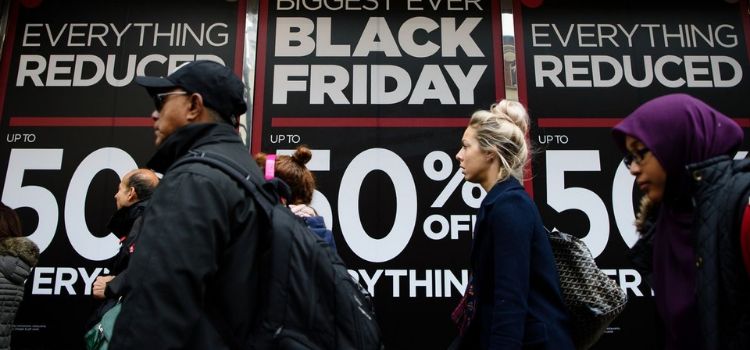
For those who don’t know, Black Friday is celebrated a day after Thanksgiving. Thanksgiving falls on the fourth Thursday of November. To know more about Thanksgiving, scroll down to the end of the article. Black Friday is a day, or weekend rather, where brands online and in stores offer attractive discounts to customers. Be it clothes, make-up, accessories, or electronics. You name it and you will find it on sale this weekend (at least in the US). It started off in the US but slowly countries like the UK, India, Pakistan, UAE etc followed suit.
Why Was The Name Changed To Blessed Friday & Why Were Pakistanis Averse To It?
The ‘Black Friday’ trend started gaining popularity in Pakistan back in 2017. Many brands in-store and online jumped on the bandwagon as they saw profitable opportunities to boost sales. However, they were met with social backlash and criticism for attaching ‘Black’ with Friday which is considered a sacred day in the Muslim community.
While some support this narrative, others believe people in Pakistan should not impose their beliefs on others, However, as a result, many brands including the e-commerce giant, Daraz, rebranded their marketing strategy and named it ‘Big Friday’ after the backlash. Thus, ‘Black Friday’ became ‘Blessed Friday’, ‘White Friday’, ‘Big Friday’, and several other names in Pakistan.
How The Name Originated & What Was The Purpose?
Black Friday wasn’t always associated with sales. It was used to refer to a financial crisis back in 1869, the US gold market crash, to be specific. So, what really happened?
Jay Gould and Jim Fisk, two financiers of Wall Street, decided to buy as much of the country’s gold they could in hopes to get the gold prices up so they could sell it at profitable rates. However, their plan backfired, and on a Friday in September, the stock market crashed and left everyone bankrupt in the US.
Later, it is reported that retailers when accounting for the year’s profit and loss, noted profits in black and losses in red. Hence, shops would come under the red category all year round and would enter black a day after Thanksgiving because that’s when people would start shopping for Christmas.
Additionally, it is believed that the term ‘Black Friday’ started becoming more common around 1950s when police officers in Philadelphia weren’t too happy with the fact that they had to work a day after Thanksgiving. A huge crowd would come to Philadelphia for the Army-Navy football game which would then cause traffic jams and chaos on the roads. Not long after, the print media started picking up this term. By the 1980s, the term had spread nationwide and retailers associated it with post Thanksgiving shopping.
Furthermore, it is also believed that the widely known Thanksgiving Parade by Macy’s which started in 1924, initiated the concept of post-Thanksgiving shopping.
Black Friday sales in Pakistan and all over the world have become a way to boost sales before the end of the year. Will you be shopping from the sales? Let us know!
Thanksgiving is a holiday celebrated in the US. “In 1621 a group of Europeans, who became known as the ‘Pilgrims’, invited the local Native Americans to join them in a feast. The Pilgrims had had trouble growing enough food to eat in the years before. The Native Americans had taught them how to grow crops successfully and, according to the story, to thank them for this, the Pilgrims invited them to a big feast (BBC).
Daylight Robbery In The Name Of Winter Fashion
Sources used in this article include The Telegraph, History, Daily Times, & Brandsynario

