

Every so often, a story emerges that feels almost too strange to be real. The recent disappearance of a truck carrying thousands of chocolate bars across Europe is one such case. What began as a routine cargo shipment has turned into one of the most unusual crime stories of the year, quickly becoming known as the KitKat heist and sparking fascination far beyond the logistics industry.
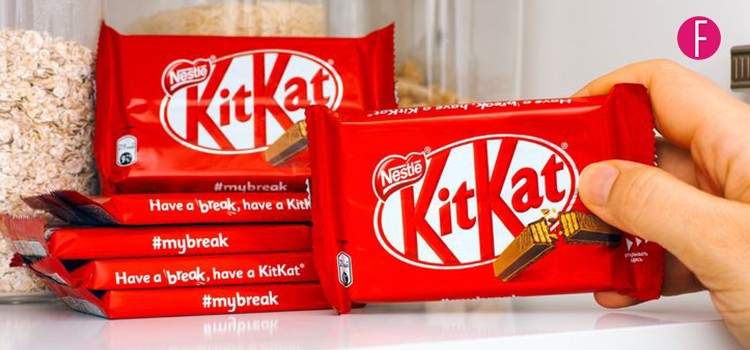
At the center of the mystery is a shipment of around 12 tonnes of KitKat chocolate bars – more than 400,000 individual bars – that vanished while being transported across Europe. The cargo belonged to Nestlé, the multinational food giant that produces the globally recognized chocolate wafer brand KitKat. The truck reportedly disappeared before reaching its destination, and investigators are still working to determine exactly where along the route the theft occurred.
While the image of criminals escaping with a truck full of chocolate might sound like the plot of a comedy film, the case reflects a much more serious and increasingly common problem in global logistics: cargo theft.
The official statement:
A Crime Hidden In Plain Sight
Cargo theft is a persistent challenge across international transport networks. Every day, thousands of trucks carry goods across highways linking factories, warehouses, and retail markets. While these shipments move through highly coordinated supply chains, they also create opportunities for organized criminal groups looking to intercept valuable cargo.
In many cases, theft occurs during routine stops. Trucks parked at service stations, rest areas, or logistics depots can become easy targets, especially if criminals have advance knowledge of the cargo being transported. Sometimes vehicles are stolen outright; in other cases, drivers are tricked into handing over shipments through fraudulent pickup orders or fake logistics documentation.
The KitKat heist appears to fall within this broader pattern. Authorities have not disclosed all details of the investigation, but the disappearance of both the truck and its cargo suggests a coordinated operation rather than a spontaneous act.
Why Chocolate Is A Target
At first glance, chocolate may not seem like the sort of product criminals would risk stealing. Yet in the world of cargo theft, food products have become increasingly attractive targets.
Unlike electronics or luxury goods, packaged food is relatively difficult to trace once it leaves official supply chains. Chocolate bars carry batch codes for manufacturing purposes, but they lack the serial numbers and digital tracking systems often used for high-end consumer electronics. Once large shipments are broken down into smaller quantities, they can be distributed through informal markets, small retailers, or grey-market wholesalers with little scrutiny.
Chocolate also has another advantage from a criminal perspective: universal demand. Products like KitKat are instantly recognizable and widely consumed, making them easy to resell quickly. In other words, a stolen shipment of chocolate can move through markets almost as easily as legitimate stock.
The Supply Chain Vulnerability
The heist also highlights the fragile complexity of modern supply chains. Global companies such as Nestlé rely on an enormous network of factories, transportation routes, warehouses, and retailers to deliver products to consumers. Each stage of this process depends on precise timing and coordination, with goods often traveling thousands of kilometers before reaching store shelves.
When a shipment disappears, it exposes how many points along this journey remain vulnerable. A single truck carrying consumer goods can represent hundreds of thousands of dollars in merchandise, making it a lucrative target for criminal networks. In many cases, the theft of such shipments is carefully planned, with criminals tracking vehicles or identifying specific cargo before striking.
Although the loss of this particular shipment represents only a small financial setback for a company of Nestlé’s scale, it serves as a reminder that even highly sophisticated logistics systems remain susceptible to disruption.
Why The Story Captured Global Attention
Despite the serious implications of cargo theft, the KitKat heist has captured public attention largely because of its unusual nature. Stories involving stolen technology, financial fraud, or organized crime appear regularly in the news. A truckload of chocolate, however, introduces an element of absurdity that is difficult to ignore.
Part of the fascination lies in the familiarity of the product itself. KitKat is one of the world’s most recognizable chocolate brands, sold in dozens of countries and associated with the iconic “Have a break” advertising slogan. Because the brand is so widely known, readers can easily visualize the scale of the theft. The idea of hundreds of thousands of chocolate bars disappearing somewhere along a highway creates a vivid and slightly surreal image.
The theft occurred just weeks before Easter, traditionally one of the busiest periods for chocolate sales. Seasonal demand means warehouses and retailers are handling larger volumes of confectionery products than usual, making the disappearance of such a shipment even more striking.
The Public Reaction
As always, the public had a lot to say, and naturally, the memers were ready with their creativity. Social media exploded with jokes, GIFs, and puns about chocolate capers, chocolate “getaways,” and thieves with a serious sweet tooth. From clever quips about hiding bars in plain sight to playful speculation on how many KitKats it would take to bribe someone, the humor was unstoppable.
Check out what the public had to say!
For investigators, the case is far from amusing. Authorities continue to search for clues about the missing truck and its cargo, and logistics companies involved in the shipment are cooperating with law enforcement. Each batch of KitKat bars carries identifiable production codes, which could help trace the goods if they begin appearing in unofficial market.
For now, however, the truck remains missing. Somewhere – perhaps in a warehouse, a storage facility, or already dispersed through smaller distribution channels. Whether the shipment is eventually recovered or not, the KitKat heist has already become one of the most curious crime stories of the year. What began as a simple logistics mystery has turned into a reminder that even in a world of complex cybercrime and billion-dollar fraud, sometimes the most captivating story starts with something as simple as a chocolate bar.


Comments 4