

With Palestinian flags waving and chants echoing through the fields, Glastonbury 2025 proved that even festivals can become movements.
This year’s Glastonbury Festival was never just about music. It was about the messages that pierced through the sound systems, the resistance that echoed louder than any chorus, and the symbols that fluttered across Worthy Farm like declarations of truth. In 2025, Glastonbury wasn’t just a celebration, it became a reckoning.
Why Glastonbury Is All Over The News
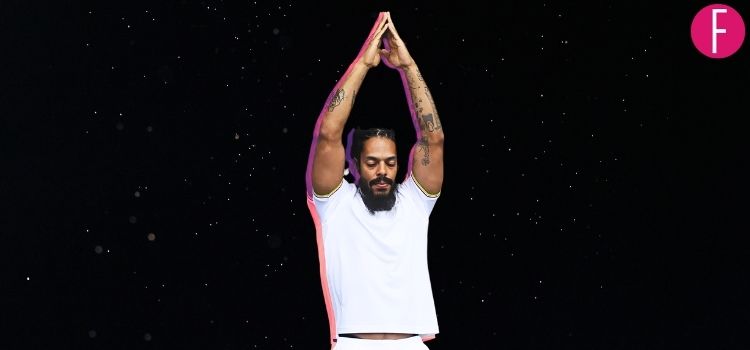
What set the spark? Artists who didn’t just show up to perform, but to protest. Rap-punk duo Bob Vylan lit up the West Holts Stage with fire and fury. With “Free, free Palestine” and “Death to the IDF” chanted from the stage, Bobby Vylan called out what many have long felt: silence is complicity. The crowd roared in agreement. It was raw, unfiltered, and intentionally uncomfortable, and it was broadcast live by the BBC. What followed was the classic establishment scramble: the BBC apologized and pulled the set, UK police opened a hate speech investigation, and the U.S. revoked Bob Vylan’s visa. But the slogans had already made their way beyond the festival grounds – into the streets, the protests, and social media feeds. Bob Vylan didn’t just perform; he sparked a moment. And for many, it was long overdue.
The backlash was loud, but the solidarity was louder. Palestinian flags swayed across Glastonbury – not just a few, but everywhere. The chant became a chorus, and the chorus became a statement. Festival-goers didn’t shy away from the politics, they embraced them. In a world where genocide is often sanitized with diplomatic language, calling it what it is felt revolutionary. And this stage, this space, became something more: a canvas for defiance.
And then came Kneecap, the Irish-language rap trio who’ve been making waves both musically and politically. Already facing heat after Mo Chara was charged under anti-terror laws for allegedly holding a Hezbollah flag last year , and after UK PM Keir Starmer said they “shouldn’t be performing” – the band took to Glastonbury’s stage with unapologetic rage. “The prime minister of your country, not mine, said he didn’t want us to play,” Mo Chara declared, wearing a Palestinian keffiyeh as he opened his arms to the crowd. The energy was electric. They spoke of colonialism, injustice, and solidarity with Palestine. And the audience – massive, explosive, and fearless – responded with smoke flares, chants, and a sea of keffiyehs and Palestinian flags. Their words weren’t just lyrics. They were reminders.
Kneecap’s support from Glastonbury’s organizers, especially Emily and Michael Eavis, stood in sharp contrast to the BBC’s cautious backpedaling. While the BBC didn’t livestream Kneecap’s set, they quietly uploaded a version online later, citing editorial guidelines. Glastonbury, however, stood firm: this is a space for global voices, even – especially – when they challenge power.
Why It Matters
Here’s the thing: you can debate the words used, but what’s not up for debate is this: artists used one of the biggest stages in the world to speak up for Gaza. At a time when people feel helpless watching what’s happening, these musicians didn’t play it safe. They said what many believe- that this is a genocide, and the world is too silent.
It all came from a place of rage and pain. It wasn’t about individuals — it was about the system, the power, the military actions that have killed tens of thousands in Gaza. Whether or not you agree with the language, there’s no denying the message cut deep.
From Israel’s military campaign in Gaza to the UK’s arms trade and the criminalization of protest, these artists refused to look away. “United Nations call it a genocide. The BBC calls it a conflict,” flashed across Bob Vylan’s backdrop. It wasn’t subtle. It wasn’t supposed to be. In a media landscape that often filters resistance through bureaucracy, this stage refused to dilute the truth.
The chants that started at Glastonbury didn’t stay there. They spilled out into cities, streets, and demonstrations across the UK and beyond. Because this wasn’t just about one festival – it was about what happens when art meets urgency. When musicians stop entertaining and start resisting. When a stage becomes a battleground for justice.
Glastonbury 2025 may go down as the year of controversy. But for thousands, it’ll be remembered as the year the music stood with Palestine.
Sources: The Guardian, AP News, CNN, BBC

