

We’ve all heard the word cortisol thrown around, especially when it comes to stress, burnout, or even belly fat. And honestly? Sometimes these medical terms can feel a bit too complicated or far off from our daily lives. So, we did the research, dug into the science, and now we’re breaking it all down – in plain, human terms. Let’s talk about what cortisol really is, why it’s not the enemy (in moderation), and the red flags to watch out for when your levels are too high.
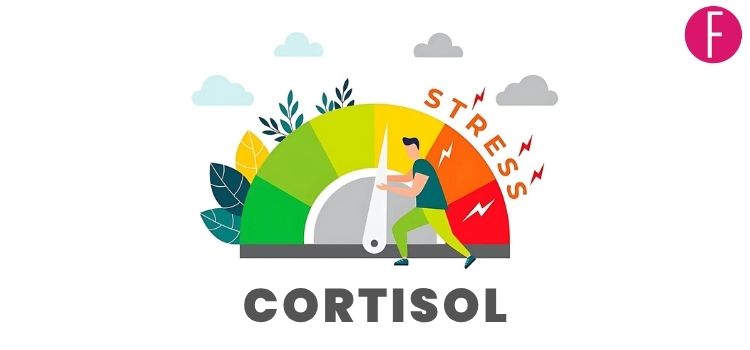
What is cortisol anyway?
Cortisol is often called the stress hormone, but that’s only one part of the story. It’s actually a hormone produced by your adrenal glands (tiny powerhouses that sit on top of your kidneys), and it plays a massive role in keeping your body functioning.
Some of the things cortisol helps with:
- Managing how your body uses carbs, fats, and proteins
- Keeping inflammation in check
- Regulating your blood pressure and blood sugar
- Supporting your energy levels during stressful situations
- Helping you wake up in the morning (yep, it’s tied to your sleep-wake cycle too)
Basically, it’s your body’s internal manager that keeps a lot of important systems running smoothly.
Why balance is everything and what is high cortisol?
Like most things in life, cortisol is all about balance. You need enough of it to function well – to respond to stress, stay alert, and heal from injuries. But too much of it over a long period? That’s where things start to go sideways. Chronically high cortisol can mess with your mood, sleep, skin, weight, and even your immune system. It’s your body being stuck in “fight or flight” mode 24/7, which is exhausting, and honestly, pretty damaging in the long run.
While a rare condition like Cushing’s syndrome can spike cortisol to extreme levels – often due to tumors or long-term steroid use – most people dealing with high cortisol aren’t facing something that dramatic. For the rest of us, it’s usually chronic, everyday stress that builds up over time. Long work hours, relationship strain, poor sleep, doomscrolling late into the night, skipping meals, or constantly feeling “on edge” – your body reads it all as a threat and keeps pumping out cortisol to cope.
The tricky part? Your body doesn’t know the difference between a real emergency and an overflowing inbox. So if that stress never turns off, neither does the cortisol. Add in things like intense workouts without recovery, hormone imbalances (like in PCOS or menopause), medications like corticosteroids, or even malnutrition from restrictive diets – and it’s the perfect storm. In the end, your system stays stuck in survival mode, and that’s when the symptoms really start showing up.
Top 5 Signs You Might Have High Cortisol
Here’s what to watch for if your body’s stress response might be in overdrive:
1. Sudden Weight Gain, Especially Around the Belly or Face
You’re eating the same, but the scale keeps going up? Cortisol can increase fat storage, especially around the midsection and upper back. It may also trigger sugar cravings or increase appetite.
2. Constant Fatigue, Even After Rest
Feeling drained even after 8 hours of sleep? That deep, bone-tired kind of fatigue can be a sign your hormones are off, especially if it’s paired with brain fog or low motivation.
3. Mood Changes – Anxiety, Irritability, or Feeling Down
Cortisol doesn’t just affect your body, it affects your brain too. High levels can mess with your mood, leading to anxiety, irritability, or even depression. You might feel more emotional or less like yourself.
4. Skin and Hair Issues
If you’re bruising more easily, getting unexplained acne, or noticing hair thinning or loss, cortisol might be behind it. It weakens the skin and can disrupt normal hair cycles.
5. Irregular Periods or Low Libido
Cortisol can throw your other hormones off balance. For women, this might mean missed or irregular periods. For anyone, it can mean a noticeable dip in sex drive.
When to Get Checked
If some of this sounds like what you’re experiencing, don’t panic, but do pay attention. It’s a good idea to talk to your doctor or an endocrinologist (a hormone specialist) who can run simple blood, saliva, or urine tests to check your levels. The earlier you know, the easier it is to get back in balance. Cortisol isn’t something to be scared of, it’s something to understand. It’s there to help you respond to life’s curveballs. But if your body thinks you’re in constant danger (even if it’s just traffic jams or never-ending deadlines), it stays switched on. And that’s when things start to fall apart.
So give your body a break. Sleep well, breathe deeply, move your body, laugh often and check in with yourself. Your hormones are listening, whether you realize it or not.
Sources: Healthline, Cleveland Clinic, Health, Thriva, Your Hormones


Comments 2