

When Zohran Mamdani shares his Ramzan Mubarak wishes, it isn’t just a festive greeting — it’s a glimpse into culture, community, and connection. The beautifully arranged Iftar spread in the background, filled with familiar South Asian favorites, instantly evokes the warmth and nostalgia that Ramadan evenings bring. In a single frame, the video captures how food becomes a powerful symbol of heritage, tradition, and togetherness during the holy month.
The South Asian Plate
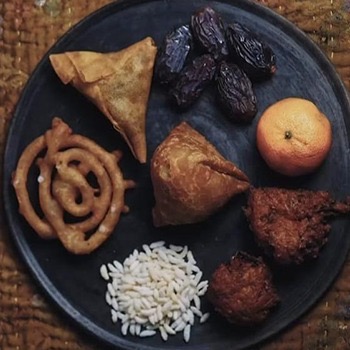
This plate features a variety of traditional snacks and items typically found in a South Asian Iftar (the meal used to break the fast during Ramadan). Given the combination of specific items, it most strongly symbolizes the culture of Pakistan or Bangladesh.
What’s on the plate?
• Samosas: The two triangular pastries. One appears to be a “patti” samosa (thin, crispy crust) and the other a traditional thick-crust potato samosa.
• Pakoras: The dark, fried fritters on the right, usually made from gram flour and vegetables like onions or potatoes.
• Jalebi: The orange, pretzel-shaped sweet on the left, which is deep-fried batter soaked in sugar syrup.
• Dates: The dark fruits at the top, traditionally eaten first to break the fast according to Islamic tradition.
• Puffed Rice (Muri): The small white grains at the bottom, which are a staple Iftar component specifically in Bengali and some Pakistani households.
• Clementine/Mandarin: A fresh fruit to provide natural sugars and hydration.
Cultural Significance
While these foods are enjoyed across the Muslim world, this specific assortment is the “quintessential” Iftar platter for Pakistanis and Bengalis.
The Middle Eastern Plate
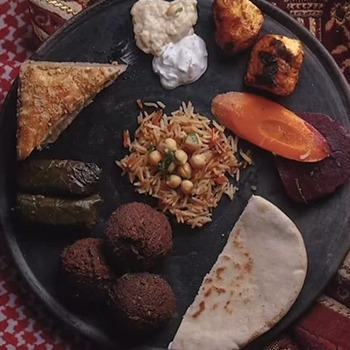
This plate represents a Middle Eastern or Levantine style Iftar (the meal used to break the fast during Ramadan). While your previous plate was quintessentially South Asian, this one features staples common in countries like Lebanon, Syria, Jordan, and Palestine.
What’s on the plate?
• Falafel: The three dark, deep-fried balls at the bottom. These are made from ground chickpeas or fava beans mixed with herbs and spices.
• Pita Bread: The soft, round flatbread used to scoop up dips or wrap the falafel.
• Dolma (Stuffed Grape Leaves): The two dark green rolls on the left. These are grapevine leaves stuffed with a mixture of rice, herbs, and sometimes minced meat.
• Chickpea Rice (Riz Bi Labne/Ouzi style): The central mound of spiced rice topped with whole chickpeas.
• Baklava: The triangular, flaky pastry on the far left, which is a sweet dessert made of layers of filo dough, nuts, and syrup.
• Hummus and Garlic Sauce (Toum): The two creamy dollops at the top, likely a chickpea-based hummus and a pungent white garlic dip.
• Roasted Vegetables: The slices of roasted carrot and beet on the right side.
The Bengali Plate
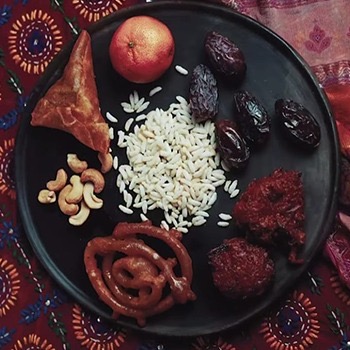
This plate is a beautiful representation of a Bangladeshi Iftar, showcasing the unique way South Asian flavors are adapted in Bengal.
While it shares some items with Pakistani Iftars, the specific combination here strongly symbolizes the culture of Bangladesh.
What’s on the plate?
• Puffed Rice (Muri): The small white grains in the center are a non-negotiable staple of a Bengali Iftar. It is often mixed with other savory items like chickpeas or jalebi to create a textured snack called Muri Makha.
• Jilapi (Jalebi): The orange, coiled sweet on the left. In Bangladesh, it’s common to find both thin, crispy versions and larger, thicker “Shahi” versions.
• Piyaju (Lentil Fritters): The dark, crunchy fritters on the right. These are made from ground lentils and onions and are the Bengali counterpart to the broader South Asian pakora.
• Samosa (Shingara): The triangular pastry at the top-left. In Bangladesh, these are often called Shingara and typically feature a thicker, flaky crust compared to the thinner “patti” samosas found elsewhere.
• Dates & Cashews: The dark dates are the traditional first bite used to break the fast, while the cashews add a layer of nutrition and energy.
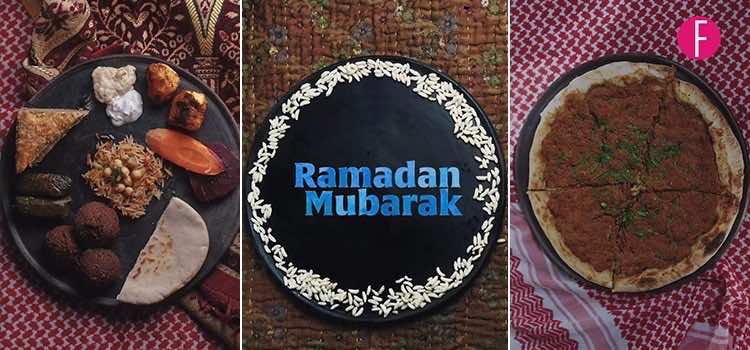
The Turkish Plate
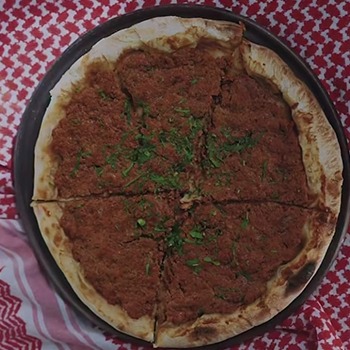
That delicious-looking dish is Lahm Bi Ajeen (also known as Lahmacun in Turkish cuisine).
It is a popular Middle Eastern street food often referred to as “Middle Eastern Pizza.” Since the post mentions “Ramadan Mubarak,” it’s a very common sight at Iftar or Suhur tables.
What’s in it?
• The Base: A very thin, round piece of dough that becomes crispy when baked.
• The Topping: A savory mixture of minced meat (usually lamb or beef), combined with finely chopped vegetables like onions, tomatoes, and parsley.
• The Flavor: It’s seasoned with a blend of spices like paprika, cumin, and sometimes a hint of pomegranate molasses for a tangy kick.
How is it usually eaten?
While it’s sliced like a pizza in your image, it is traditionally served with fresh parsley, sliced onions, and a squeeze of lemon. People often roll it up like a wrap to eat it on the go.
Each plate reflects a story of heritage, migration, and shared traditions, reminding us how Ramadan brings cultures together in the most beautiful, tangible way. From crispy bites to syrup-soaked sweets, the spread becomes a quiet celebration of identity and unity.
Ramzan Mubarak — may this month bring you peace, reflection, countless blessings, and Iftars filled with warmth and togetherness.

Comments 2