

SharPasand may serve up all the classic drama flavors we are familiar with, from conspiracies to intense confrontations, but beneath all the entertainment, the show champions the spirit of today’s woman. It does not preach. It does not shout. Instead, it embeds strong messages within its characters and their everyday choices.
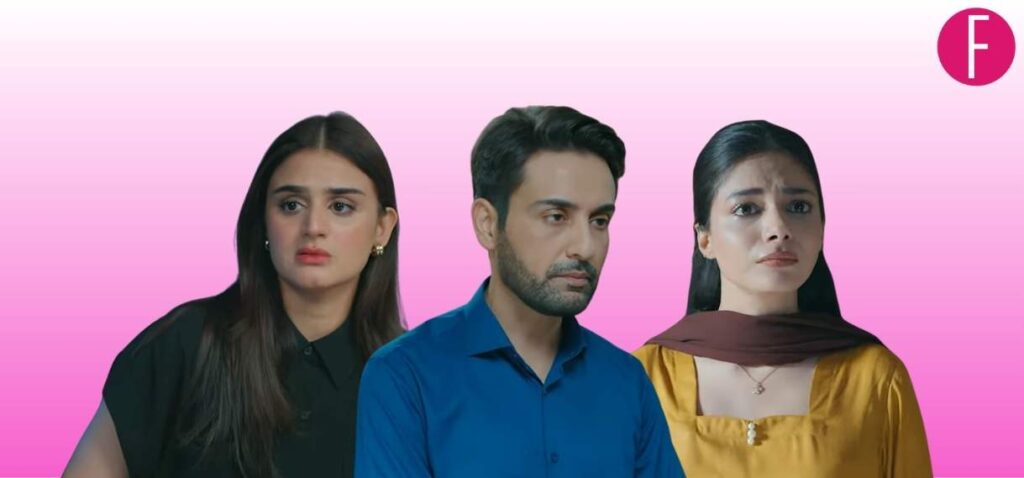
While the story often revolves around Farasat Jee and the chaos he creates, the drama still manages to present refreshing aspects that make it stand out from what we have been watching lately. When we talk about representation of today’s woman, we mean women who understand their worth, know when to speak up, and refuse to let others dictate their lives. Women who are aware of their rights and confident enough to act on them.
Here are three reasons why SharPasand speaks up for today’s woman in a surprisingly subtle and impactful way.
1. Hafsa Doing A Night Shift
It is rare to see a mainstream drama show a female character working a night shift. Hafsa does exactly that and the best part is that she does it without unnecessary dramatics or victimhood. She simply works because she needs to and because she is capable.
Her job is not treated as something shameful, nor is she shown needing someone else’s approval to do it. Her brother Wali supporting her and convincing their mom is a plus too. Of course, the neighborhood has plenty to whisper about, as they always do, but Hafsa carries herself with confidence. Her character reminds viewers that earning an honest living, and working a job that demands night shifts, is not a wrong thing for a woman. It is normal. It is strong. It is hers to choose.
2. Shazmeen Managing Everything On Her Own
Shazmeen is another beautiful example of a woman redefining strength. She juggles a demanding job and also takes care of her khala who is unwell and alone. What makes her stand out is that she does not rely on the presence of a man to handle life around her. She deals with responsibilities head on, no matter how overwhelming they may be.
The neighborhood, again, has all sorts of unnecessary opinions about her independence. Yet Shazmeen never allows those voices to steer her decisions. Her character becomes a reminder that women do not always need a male support system to survive. Sometimes they are their own strength and they do a remarkable job at it.
Yes, she gets upset and so does Hafsa, but that is only human. Societal pressure is a relatable challenge and if that hadn’t been there, their life choices might have seemed a tad removed from what real women in today’s world often come up against. Shazmeen is her own decision maker, confident enough to choose what is right for her. Hafsa has her brother and mother who support her choices. SharPasand asks viewers to reflect on why society feels entitled to police women’s choices in the first place, especially when those choices harm no one but infact, contribute positively to the society we inhabit as a whole, and only help women move forward and become active participants who make valuable contributions in our world.
3. Fida’s Infertility Being Addressed Realistically
This is perhaps the most significant plotpoint in SharPasand. For years, society has reinforced the idea that if a couple does not have a child, the woman must be the one with a medical issue. SharPasand breaks this long standing and unfair assumption by showing Fida’s infertility and handling it with sensitivity.
The drama also highlights the emotional weight that men carry in such situations. Infertility is not a gender specific issue; it is a medical condition that requires awareness, compassion, and maturity from both partners. By showing a male character experiencing this struggle, SharPasand opens the door to conversations that have long been avoided in our dramas.
What makes it even more powerful is how Sanam stands by him through this tough time. He is shown as just as vulnerable and broken as a woman would be in a similar situation. In many dramas, and even as societal expectations, men are often portrayed as taking another wife if their first wife has fertility issues. But Sanam stands firmly behind him like a rock, something many men, at least as shown in our dramas, rarely do. She is trying her best to become his strength, showing that support in a relationship is not limited by gender and that true partnership means facing challenges together, not abandoning each other in difficult times.
SharPasand does not present these elements without conflict. The women in the story face judgment from neighbors who cannot fathom women making independent lifestyle choices, living life on their own terms. Yet the drama makes a simple point through its characters. Society may have a lot to say, but it is the courage of these women that shapes their path, not the noise around them.
SharPasand gives us female characters who stand tall, women who make choices for themselves, and who refuse to shrink just because someone else is uncomfortable about their rightful decisions.
And that is what makes it all worth watching.
Catch Up All The Latest Drama Stories Here
Sharpasand is written by Sara Sadain Syed and directed by Aehsun Talish. It stars Naumaan Ijaz, Nadia Afgan, Hira Mani, Affan Waheed, and more. It is a project of iDream Entertainment.


Comments 2