

A moderate earthquake measuring 4.3 on the Richter scale recently struck Iran’s capital, Tehran. The tremor, which was felt across parts of the city and nearby regions, caused brief panic among residents, here’s what we know so far!
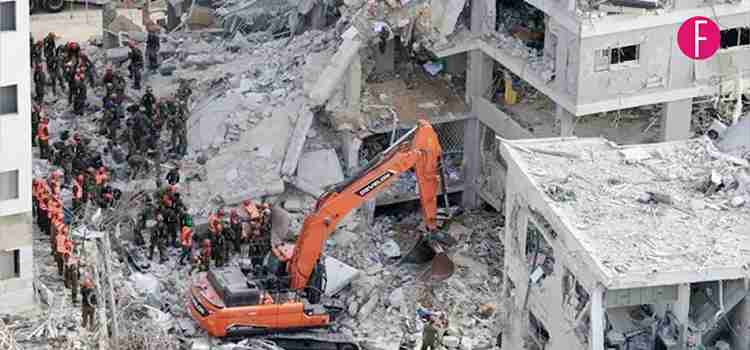
According to seismic monitoring agencies, the earthquake occurred at a relatively shallow depth, making it more noticeable across densely populated areas despite its moderate magnitude. Residents in several districts reported buildings shaking for several seconds, with many people rushing into streets and open spaces as a precaution. No immediate reports of casualties or major structural damage have emerged.
Iran sits on several major fault lines and is considered one of the world’s most earthquake-prone countries. Tehran, a metropolitan area home to more than 15 million people, lies dangerously close to multiple active faults, including the North Tehran Fault and the Mosha Fault. Seismologists have long warned that even a moderate tremor can revive fears of a far more destructive earthquake in the future.
The latest quake prompted emergency services to review preparedness measures, while authorities urged citizens to remain calm and follow official safety guidance. Schools and public institutions in some affected areas briefly implemented precautionary evacuation procedures as aftershocks were monitored.
Although the 4.3-magnitude tremor itself was considered relatively minor by geological standards, experts noted that earthquakes of this size often serve as reminders of the broader seismic risks facing the Iranian capital. Scientists have repeatedly warned that Tehran’s dense population, aging infrastructure, and uneven enforcement of building standards could significantly worsen the impact of a stronger earthquake.
Iran has experienced several devastating earthquakes in recent decades. In 2017, a powerful earthquake along the Iran-Iraq border killed hundreds of people and injured thousands, highlighting the country’s ongoing struggle with disaster preparedness and resilient construction standards.
Geologists stress that accurately predicting earthquakes remains impossible, but the recurrence of tremors in and around Tehran continues to raise public anxiety over the possibility of a major seismic event in one of the Middle East’s largest urban centers.
This is a developing news.
Sources: Al Jazeera, Reuters, and IranWire.

