

For years, women diagnosed with Polycystic Ovary Syndrome, more commonly known as PCOS, have said the name never fully explained what they were actually going through. Now, after more than a decade of international discussions, research, surveys, and patient advocacy, the condition is officially getting a new name: Polyendocrine Metabolic Ovarian Syndrome (PMOS).
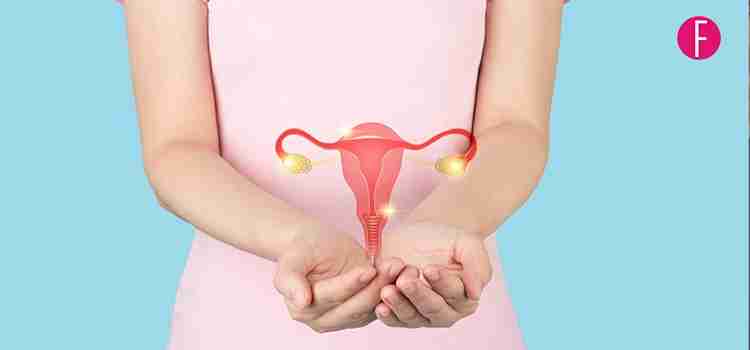
The change was announced this week in The Lancet and presented at the European Congress of Endocrinology in Prague. Experts behind the move say the old name was medically misleading, confusing for patients, and one of the reasons so many women struggled to get diagnosed properly or recieve complete care.
The condition affects around one in eight women globally — more than 170 million women worldwide — yet many still spend years trying to understand what is happening to their bodies. In some cases, people are never diagnosed at all.
And according to the experts leading the change, the problem often started with the name itself.
For decades, the term “polycystic ovary syndrome” created the impression that the condition was mainly about ovarian cysts. But researchers now say that is not actually accurate. Women with the condition do not necessarily have cysts on their ovaries, and what appears on scans are often immature follicles rather than true cysts. Some women diagnosed with PCOS never even show “polycystic ovaries” on ultrasounds in the first place.
That misunderstanding had wider consequences too. Because the name focused heavily on ovaries, the condition was often treated purely as a gynecological issue, when in reality it affects multiple systems throughout the body.
The new term — PMOS — is meant to reflect that broader reality.
Doctors and researchers now describe the condition as a complex hormonal and metabolic disorder involving disruptions in insulin, androgen, ovarian, and neuroendocrine hormones. Its effects can extend far beyond irregular periods or fertility concerns. It can impact weight regulation, mental health, skin health, metabolism, insulin resistance, and increase long-term risks of diabetes and cardiovascular disease.
Professor Helena Teede, the endocrinologist who led the renaming effort, said the previous name failed to capture the “multi-system burden” women experience. She also pointed out that there is no actual increase in abnormal ovarian cysts in the condition, despite what the old terminology suggested.
For many women, this confusion shaped their entire medical experience. Several patients involved in the global consultation process shared stories of delayed diagnoses, dismissive doctors, and years spent trying to “unlearn” misinformation they were first told as teenagers. Some were warned they would never have children. Others said doctors focused only on fertility while ignoring symptoms like insulin resistance, chronic fatigue, mental health struggles, acne, excessive hair growth, or weight fluctuations.
In many cases, women said they felt reduced to reproductive issues while the rest of the condition went untreated. That is partly why patient voices became central to the renaming process.
The effort reportedly took 14 years and involved more than 50 patient advocacy and professional organizations across six continents. Over 22,000 survey responses were collected, alongside international workshops involving researchers, doctors, and women living with the condition themselves.
Researchers described it as one of the largest and most collaborative medical renaming efforts undertaken globally. One major concern during the process was cultural stigma. Experts said certain reproductive terms carried serious social implications in some countries, where a woman’s reproductive health could unfairly become tied to her value in society. Because of that, organizers wanted a name that was scientifically accurate but also more sensitive across different cultural contexts.
The word “polyendocrine” was chosen to highlight the involvement of multiple hormone systems. “Metabolic” acknowledges the strong links to insulin resistance, diabetes risk, and broader metabolic health. “Ovarian” remains in the title because the ovaries are still involved in the condition, even if they are no longer the sole focus.
Experts hope the shift will also improve awareness among healthcare professionals. Studies linked to the renaming process found that up to 70% of affected women remain undiagnosed. Researchers believe part of that comes from outdated assumptions about what the condition “looks” like.
Women without weight gain, ovarian cysts, or fertility concerns have often found themselves overlooked despite experiencing other major symptoms.
The transition from PCOS to PMOS will happen gradually over the next three years. During that time, international medical groups plan to update educational materials, clinical guidelines, electronic health systems, research databases, and awareness campaigns. The new terminology is expected to be fully integrated into the next international guideline update in 2028.
There are also plans to work with governments, researchers, journal editors, and the World Health Organization so the new name becomes standardized globally.
For many women living with the condition, though, the significance of the change feels deeply personal rather than just medical.
As a girl living with PCOS myself, this change honestly feels bigger than just new medical terminology. For years, so many of us have had to explain, defend, and even question our own symptoms because the condition was so misunderstood from the start. The old name never really captured the fatigue, the hormonal imbalance, the mental toll, andr the way it can quietly affect almost every part of your life. Seeing it finally acknowledged as a full-body hormonal and metabolic condition feels lowkey validating in a way that is hard to explain. Maybe a new name will not magically fix the healthcare gaps overnight, but it does feel like a step toward women being heard properly instead of constantly being dismissed or reduced to “just ovarian cysts.”
Sources: Guardian, ABC, The Independent, Endocrine Society, Pharmacy Times


Comments 1