

Novels are literary works of fiction that transport readers into imagined worlds, populated by characters whose lives unfold through the author’s storytelling. They provide a window into different cultures, eras, and perspectives, offering insights into human emotions, relationships, and societal issues. Novels can entertain, provoke thought, and evoke deep emotions, making them a powerful medium for exploring complex themes such as love, loss, identity, and the human condition. Through narrative arcs and character development, novels invite readers to empathize with diverse experiences, sparking imagination and fostering a deeper understanding of the world around us.
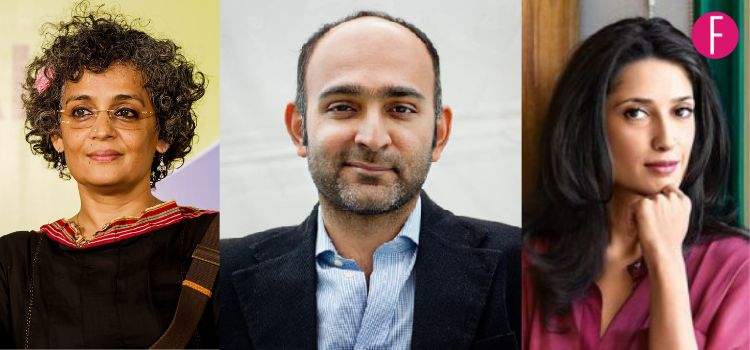
In the realm of South Asian literature, there exists a rich tapestry of narratives that go beyond the surface of comedy and drama. These novels delve into profound themes and intricate storytelling, offering readers a nuanced perspective on life in the region.
Here are 5 novels from South Asian writers that are sure to captivate and inspire:
1. The Shadow of the Crescent Moon By Fatima Bhutto
“The Shadow of the Crescent Moon“ by Fatima Bhutto takes place in Mir Ali, a town in Pakistan’s tribal regions, over one tense morning. The plot revolves around three brothers: Aman Erum, who seeks escape through the city; Sikandar, a doctor coping with personal loss; and Hayat, a staunch idealist involved in the insurgency. Their lives intertwine with that of Mina, Sikandar’s wife, who grapples with her own heartbreak. The narrative shifts between their perspectives, revealing the complex web of love, loyalty, and the impacts of political turmoil on their lives.
Readers should give this novel a chance because it offers a vivid and humanizing glimpse into a region often misunderstood. Bhutto’s storytelling is compelling and evocative, painting a rich tapestry of emotions and experiences. Her characters are deeply relatable, each struggling with their personal demons and the broader chaos around them. The book beautifully balances the intimate and the political, making it a gripping and thought-provoking read. It’s a powerful exploration of resilience and the search for meaning in the face of conflict.
2. A Passage North By Anuk Arudpragasam
“A Passage North” is a novel by Anuk Arudpragasam, published in 2021. The story is set in Sri Lanka and follows Krishan, a young man living in Colombo, as he receives news of the death of his grandmother’s caretaker. This news prompts him to embark on a journey north to the war-torn region of his childhood. As he travels, Krishan reflects on his past, the impact of the civil war, and the complexities of loss and memory.
“A Passage North” stands out for its introspective and meditative approach, offering a deep dive into the psyche of its protagonist, Krishan. Unlike many novels set against the backdrop of conflict, it doesn’t focus on the immediate violence but rather on the lingering aftereffects and the process of healing. Arudpragasam’s writing is meticulously detailed, with long, flowing sentences that mirror the contemplative nature of Krishan’s journey. The novel beautifully captures the landscapes of Sri Lanka and the emotional landscapes of its characters, making it a unique exploration of grief, memory, and the passage of time. This thoughtful and nuanced narrative sets it apart, providing a profound reading experience that lingers long after the final page.
3. Djinn Patrol On The Purple Line By Deepa Anappara
“Djinn Patrol on the Purple Line” is a novel by Deepa Anappara, published in 2020. The story is set in a basti (slum) in an unnamed Indian city and follows nine-year-old Jai, who decides to investigate the disappearance of a classmate. Along with his friends Pari and Faiz, Jai believes that supernatural forces, specifically djinns, are responsible for the disappearances. As they embark on their search, they navigate the complexities of life in the slum, where poverty, inequality, and corruption shape their daily existence.
Anappara’s novel is notable for its portrayal of childhood innocence juxtaposed against the harsh realities of urban poverty. The narrative blends elements of mystery and social commentary, highlighting issues such as child trafficking and the vulnerabilities of marginalized communities. Through Jai’s perspective, the novel offers a poignant exploration of resilience and the power of imagination in the face of adversity.
4. Exit West By Mohsin Hamid
“Exit West” by Mohsin Hamid tells the story of Nadia and Saeed, two young lovers caught in a city descending into chaos and war. As the violence escalates around them, they find mysterious doors that transport them to distant places like Mykonos, London, and San Francisco. These magical portals offer a glimmer of hope, allowing them to escape their war-torn reality. Throughout their journey, their relationship evolves and they face new challenges in each unfamiliar place, both externally and within their own hearts.
Moreover, “Exit West” beautifully blends the surreal with the real, using fantasy to highlight the genuine struggles of refugees. The magical doors symbolize the abrupt and disorienting nature of displacement, making their journey both poignant and imaginative. Through the eyes of Nadia and Saeed, readers experience the resilience and hope that persist even in the most dire circumstances. This novel invites readers to reflect on the global refugee crisis and the universal human longing for safety and belonging, all while weaving a captivating and emotional narrative.
5. The God Of Small Things By Arundhati Roy
“The God of Small Things” by Arundhati Roy unfolds in Kerala, India, focusing on twins Rahel and Estha. It oscillates between their childhood in 1969 and adulthood in 1993, revealing how a tragic event shapes their family dynamics. The novel intricately weaves together themes of love, societal norms, and the profound impacts of historical and political influences.
What sets “The God of Small Things” apart is its lyrical prose and nonlinear storytelling. Arundhati Roy’s evocative writing vividly portrays Kerala’s landscape and delves into characters’ emotions. It confronts complex social issues such as caste discrimination and colonialism while also capturing mundane yet significant moments of daily life. This blend of grand themes with intimate details creates a compelling narrative that resonates long after the book is finished. The novel’s exploration of human relationships and societal pressures has garnered widespread acclaim, including the prestigious Booker Prize.

