

Authorities in Sindh and Balochistan have placed the regions on high alert for Congo Virus. Here is what you all need to know about the situation!
Congo Virus now seems to be a real threat in Pakistan as several in Quetta have been infected with the disease including hospital personnel and even a doctor. It is no more just a virus in regions far away but now poses an imminent threat in Sindh and Baluchistan.
On Monday, health officials in Pakistan’s southern Sindh and Balochistan provinces raised the level of alertness in hospitals. This action came in response to the unfortunate death of a doctor from the Congo virus in Quetta, Balochistan, along with the confirmation of 11 additional cases of the disease, as reported by a Sindh health official.
Here are 5 things you need to know about the present conditions in the country of Congo virus along with the symptoms it presents:
1. A Doctor In Quetta Passes Away
Dr. Shukrullah Langove, a doctor based in Quetta, passed away on Sunday in Karachi while receiving treatment for the Congo virus. He was one of the 11 healthcare professionals who contracted the Crimean Congo Hemorrhagic Fever (CCHF) following an outbreak at Sandeman Provincial Hospital, according to an official from the Balochistan health department.
2. Sindh Government’s Advisory
The Sindh government has issued a health advisory urging hospitals to implement preventive measures to curb the spread of the disease. Currently, 11 patients from Balochistan have been transferred to Karachi and are receiving treatment at the specialized ward set up by the Sindh department within Agha Khan Hospital.
Through the advisory, the Sindh health department has instructed adopting precautionary measures against the Congo virus. The department also issued a red alert for the hospitals in Karachi and issued standard operating procedures (SOPs) regarding the Congo virus. “All hospitals in Karachi will ensure implementation of the SOPs,” Director Health Dr Hameed Jamani said.
3. How The Virus Is Transmitted
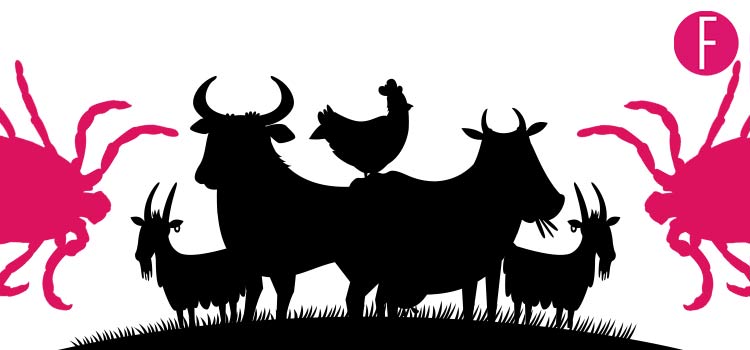
A highly contagious disease, the virus is primarily transmitted to humans through ticks found on cattle and other livestock and infected animals, leading to severe symptoms such as high fever, muscle pain, vomiting, and internal bleeding. With a high fatality rate and no vaccine or specific treatment available. The outbreak is a growing concern for the region, particularly in endemic regions such as parts of Africa, the Middle East, and Asia. Outbreaks require swift action to prevent further spread.
4. The Initial Symptoms Of Congo Virus
The onset of Congo Virus is sudden, with initial signs and symptoms including headache, high fever, back pain, joint pain, stomach pain, and vomiting. Red eyes, a flushed face, a red throat, and petechiae (red spots) on the palate are common. Symptoms may also include jaundice, and in severe cases, changes in mood and sensory perception.
As the illness progresses, large areas of severe bruising, severe nosebleeds, and uncontrolled bleeding at injection sites can be seen, beginning on about the fourth day of illness and lasting for about two weeks. In documented outbreaks of CCHF, fatality rates in hospitalized patients have ranged from 9% to as high as 50%.
5. The Balochistan CM’s Orders
Following the issuance of a red alert, the interim Chief Minister of Balochistan issued an urgent directive to the health and livestock departments, instructing them to implement measures aimed at curbing the virus’s transmission. He emphasized the need for prompt public awareness, particularly among individuals engaged in livestock trade and cattle farming. He emphasized the importance of disinfecting dairy farms, highlighting the potential fatality of the fever caused by the Congo virus.
Be sure to stay careful and vigilant with your surroundings.

