

The first ten days of Dhul Hijjah, or Zilhajj, are very special in the Islamic calendar. These days are among the most beloved to Allah ﷻ for righteous deeds, as mentioned in the Qur’an and Sunnah. So, here are 5 ways in which you can make the most of these days!
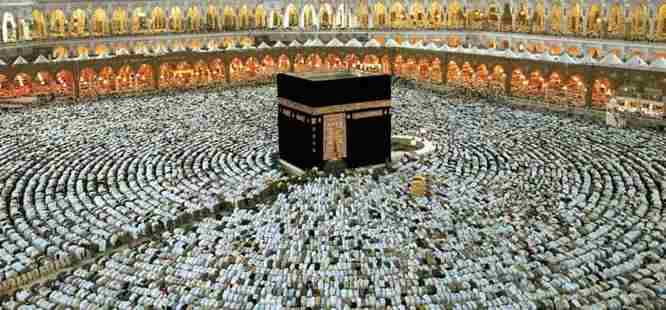
Doing things to worship Allah during these special days is very valuable. These things are worth more than when we do them at times of the year. Now is the time when Muslims should try to be more sincere and devoted in their worship of Allah. The Prophet Muhammad said: “There are no days in which righteous deedsre more beloved to Allah than these ten days.” The companions asked, “Not even Jihad in the path of Allah?” He replied, “Not Jihad, except for a man who goes out with his life and wealth and returns with nothing.” (Sahih al-Bukhari)
This hadith reminds us that ordinary deeds. Such as prayer, fasting, charity, remembrance of Allah and good character, become extraordinarily valuable when done during these days of Dhul Hijjah. We do not need big actions to earn Allah’s mercy. Instead consistency and sincerity in deeds can open doors of forgiveness and reward from Allah.
These special days of Dhul Hijjah are an opportunity for renewal. They remind us that Allah values effort, intention and devotion more than size or visibility of action. Here are 5 small deeds that you can do to maximize the benefit from these days of Dhul Hijjah.
1. Fasting
Fasting, particularly on the Day of Arafah, the 9th of Dhul Hijjah, is a highly encouraged practice during these special days. The Prophet Muhammad (P.B.U.H.) said: “Fasting the Day of Arafah expiates the sins of the previous year and the coming year.” (Sahih Muslim, 1162)
Such a voluntary fasting practice has value in Islam because it provides an excellent opportunity to receive Allah’s forgiveness. It has special importance for those who are not performing Hajj that year.
2. Sadqah
Sadqah is another means by which one can make the most out of these days of Dhul Hijjah. Any little charitable deed one engages in is laden with blessings and is highly rewarded during these holy days of Dhul Hijjah. The Prophet Muhammad said: “Charity does not decrease wealth.” (Sahih Muslim, 2588)
During these ten days of Dhul Hijjah, any deed that entails generosity whether it be by helping an individual providing food for the poor or just by performing a deed will be rewarded multiple times by Allah.
3. Reciting The Third Kalma
The Third Kalima is a form of dhikr to engage during the blessed days of Dhul Hijjah. It involves praising Allah expressing gratitude declaring His oneness and relying on Him.
The Third Kalima is:
“Subhanallahi wal hamdu lillahi wa la ilaha illallahu wallahu akbar. Wa la hawla wa la quwwata illa billahil ‘Aliyyil ‘Azim.”
This means: Glory be to Allah all praise is for Allah there is no god. Allah and Allah is the Greatest. There is no power and no strength except with Allah, the High, the Most Great.
Although the Third Kalima may not have been mentioned as a complete statement by the Prophet ﷺ, its components have been widely cited in reliable hadiths as some of the most virtuous forms of dhikr. . The Prophet ﷺ encouraged believers to increase in tahlil (La ilaha illallah), takbir (Allahu Akbar), and tahmid (Alhamdulillah), especially during the first ten days of Dhul Hijjah. (Musnad Ahmad, 5446)
4. 100 Times Dhikr on the Day of Arafah
Reciting “La ilaha illallahu wahdahu la sharika lahu, lahul mulku wa lahul hamdu wa huwa ‘ala kulli shay’in qadir” 100 times on the Day of Arafah is a form of dhikr that brings immense reward and forgiveness from Allah.
The Prophet Muhammad said: “The best supplication on the Day of Arafah and the best thing that I, and the prophets before me have said is: La ilaha illallahu wahdahu la sharika lahu, lahul mulku wa lahul hamdu wa huwa ‘ala kulli shay’in qadir.” (Jami` at-Tirmidhi, 3585 – hasan)
This dhikr is highly virtuous because it combines the declaration of Tawheed, praise and affirmation of Allah’s power over everything. Repeating it frequently, as 100 times on this blessed day helps a believer stay in constant remembrance seek forgiveness and draw closer to Allah during one of the most sacred times of the year.
5. Performing Extra Nafl Prayers (Voluntary Salah)
Another excellent practice during the first ten days of Dhul Hijjah is increasing in voluntary (nafl) prayers. These include praying extra rak‘ahs beyond the five daily prayers, such as Tahajjud (night prayer) or Ishraq/Chasht prayer during the day.
The Prophet Muhammad ﷺ said that Allah ﷻ said: “My servant does not draw near to Me with anything more beloved to Me than the obligations I have enjoined upon him, and My servant continues to draw near to Me with voluntary deeds until I love him.” (Sahih al-Bukhari, 6502)
This hadith shows the high status of nafl worship in gaining Allah’s love. During the blessed days of Dhul Hijjah, even a few extra rak‘ahs can become a means of huge reward, spiritual elevation, and closeness to Allah ﷻ.
These blessed days of Dhul Hijjah pass by quickly, almost slipping through our hands if we are not mindful. They are a short but powerful window of mercy, forgiveness, and multiplied reward. Whoever takes advantage of them may find their heart transformed and their deeds elevated in the sight of Allah ﷻ. So as these days move swiftly, let us strive to fill them with sincerity, consistency, and remembrance, hoping that Allah accepts even our smallest efforts.

