

According to a research published in 2021, 33 million adults in Pakistan are living with diabetes – a 70% increase since 2019. This means that Pakistan now has the third highest number of people living with diabetes in the world, after China (141 million) and India (74 million). Type 2 diabetes is an impairment in the way the body regulates and uses sugar (glucose) as a fuel. This long-term (chronic) condition results in too much sugar circulating in the bloodstream. Eventually, high blood sugar levels can lead to disorders of the circulatory, nervous and immune systems.
Today, FUCHSIA’s onboard dietitian Fareeha Jay is here to tell you five ways you can lower your sugar levels with Type 2 diabetes.
Embracing A Healthy Lifestyle Is The Key To Regulating Your Sugar Levels
People with Type 2 diabetes must manage their sugar levels all their life. Therefore lifestyle changes will make a massive difference for them, and they must commit to themselves. Some people manage diabetes with lifestyle, while others may also have certain medications. Whether or not you are on medication, embracing a healthy lifestyle will be the key. Following are some ways to help you regulate your sugar levels:
1. Choose Whole Meal Carbohydrates:
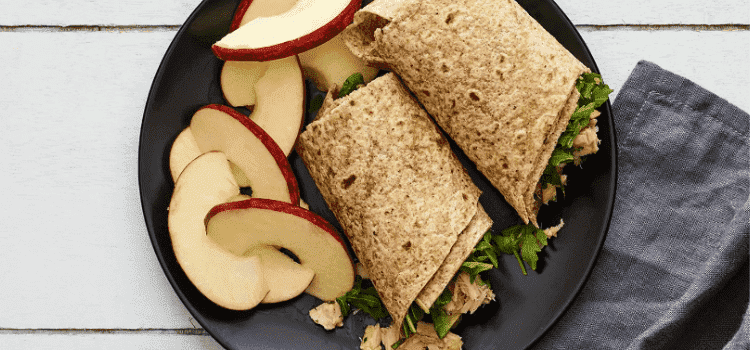
Carbohydrates give you energy, vitamins, and fibre. You can include them in all your meals making sure you opt for whole-meal such as chukki atta, brown bread, brown rice, and brown pasta—grains such as oats, barley, and quinoa. Try regulating your portion to fist size.
2. Include Protein with your Meals
Make sure you include some source of protein in your meals such as poultry and meat, as that will help slow the release of sugars from carbohydrates. You can also sprinkle nuts and seeds on your salad. Also, include a portion of yoghurt to boost the protein in your meal.
3. Fats
There is a lot of fear around fats, though little do we realise that our body needs fats. Fats help us absorb vitamins A, D, E and K but also create parts of the brain and certain hormones. Including fats in our meals can help slow down the release of sugars. Pakistani foods have oil anyway, so this won’t be challenging to adapt. Although the critical thing to consider is the amount. To get the effect of the goodness of fats, you don’t have to have them in large amounts.
4. Fibre
Your body works hard to release energy if you include fibre in your food. This will consist of whole meal carbohydrates, fruit and vegetables with their skins, nuts, and seeds.
5. Be Active
Make sure to include any physical activity in your everyday life. At least 30 minutes, 5 days a week. This can be a walk, run, jog, dance, or swim. The important thing is that you should enjoy doing it to sustain it for life. Apart from the 30-minute activity, try and stay active as well.
Disclaimer: This is general public information. Does not substitute any medical or dietary advice from your health care professionals.
The information in this article was provided by Fareeha Jay. She is a Registered Dietician based in Plymouth. She is working as a Diabetes specialist, delivering educational sessions to people newly diagnosed with Type 2 Diabetes. She also runs her private practice. Her work entails online consultations with South Asians all over the world. If you wish to view her work, below are the links to her social media handles;
Instagram: https://www.instagram.com/dietitian_fareehajay/
Twitter: https://twitter.com/FareehaJay
Youtube: https://www.youtube.com/channel/UCSXc-Vg8wc2SdY8Jh7TK45A
