

Fareeha Jay tackles the desi myths and stereotypes of south asians neglecting their health once they reach their 40’s and 50’s & shares all what their ideal diet should include.
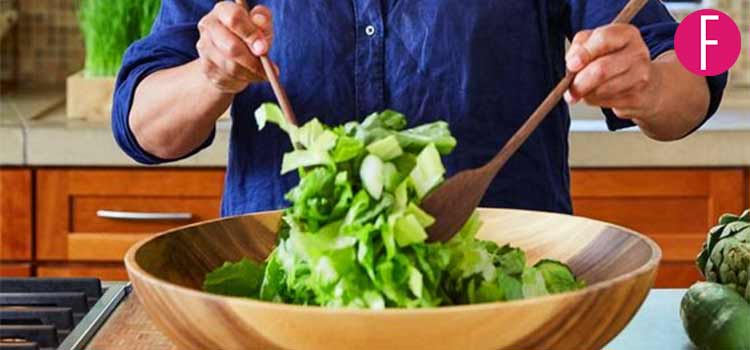
Health experts stress upon the importance of adapting your diet as you age. As well as keeping your body healthy and avoiding diseases, eating well can also be the key to a positive outlook and staying emotionally balanced. No matter your age or your previous eating habits, it’s never too late to change your diet and improve the way you think and feel. Specially for us Desi’s because we tend to neglect our health, indulge in over eating and consuming too many carbs, sugars and nutrients that lets be honest dont do us much good,
Health expert, Fareeha Jay who is a Registered Dietician based in Plymouth. She is working as a Diabetes specialist, conducting educational sessions for people who are recently diagnosed with Type 2 Diabetes. She also has a private practice. Her work entails online consultations with South Asians all over the world. In addition to this, she is quite active on social media and never misses out on making fun yet informative videos for her followers. Read on as she lists down the all the ways you should be changing your diet in your 40’s and 50’s because in no way does it mean being old and sick!
Diet in 40s and 50s
Fareeha Jay too emphasized how looking after our diet and nutrition is very important; however, South Asians need to get over the deeply embedded stereotype that reaching the age of 40s and 50s means you have aged and are now old, rendering healthy habits, lifestyle changes as pointless.
As we enter these decades, our body requirements also start to decrease. However, our eating habits remain the same. It is the time of our lives when we must be actually more mindful of our eating habits. Here is Fareeha Jay’s guide to how you shall care for your body in your 40’s and 50’s!
Reducing Risk of Disease:
To reduce the risk of disease, the following three nutrients should be included in the diet as these have anti-inflammatory properties.
Vitamin E: Nuts, seeds, plant oils
Vitamin C: citrus fruits, kiwi fruit, peppers, potatoes
Selenium: Brazilian nuts, fish, meat, eggs
Skin Care:
As we enter these decades, skin is dehydrated, and wrinkles are now developing.
The following nutrients should be considered:
Protein: Protein aids in muscle growth and repair and affects skin health. Try to include a diet rich in protein, such as lean meat, lentils, pulse beans, etc.
Beta carotene: Sweet potato, carrots, dried apricots, and green leafy vegetables.
Eye Health:
In these decades of life, it is vital to look after your eyes and Lutein and Zeaxanthin play an immense role in our eye’s health.
Food sources that aid eye health: fish, eggs and orange-coloured fruit and vegetables.
Movement:
It is essential to include any activity in this stage of life. It could be any movement you enjoy but it must be included in your daily lives, such as yoga, Pilates or running, jogging or any strength training.
Lastly, make sure you include the following:
- Lean meat
- Bright colours of food and vegetables
- Increase monounsaturated fat (nuts, seeds, olive oil)
It’s essential to consult with a healthcare professional or a registered dietitian to create a personalized diet plan that meets your specific needs as you age. They can provide guidance on nutrient intake, portion sizes, and any dietary restrictions you may have, helping you maintain good health and quality of life as you grow older.
Here is Fareeha Jay’s Instagram handle where you can explore many more of her health and diet guides and tips.

