

In a world often fraught with challenges and disparities, there exists a language of unity that needs no translation: the language of solidarity symbols. From raised fists to vibrant emblems, these visual symbols have transcended cultural and geographical boundaries, becoming powerful tools for oppressed communities to express their shared values and stand in collective defiance against systemic injustice.

Here are 4 symbols used globally by oppressed communities
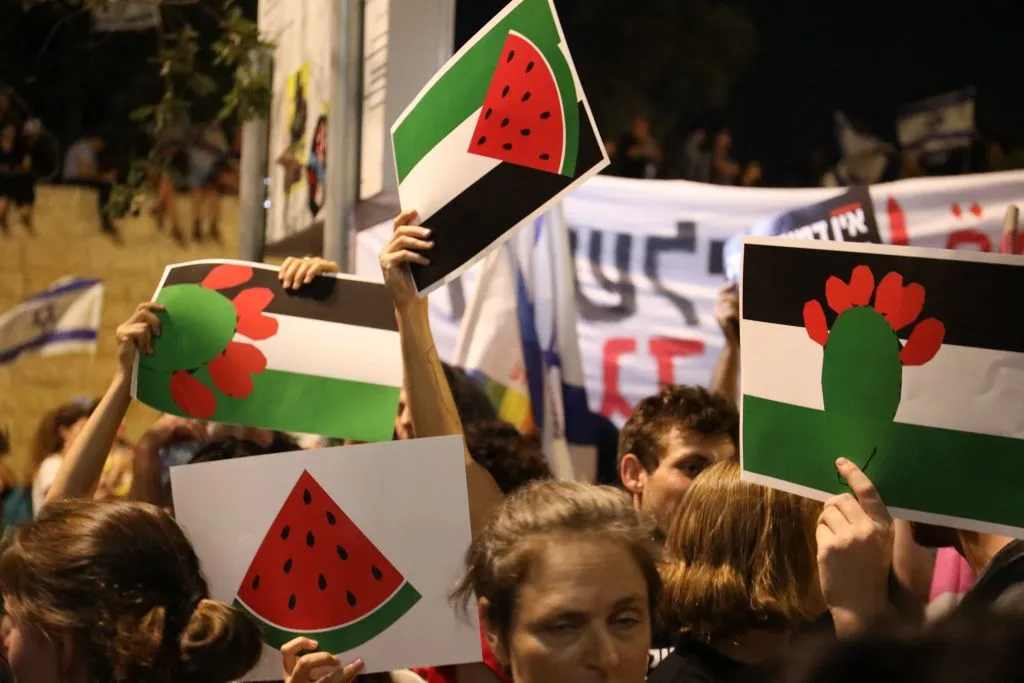
1. Watermelon for Palestine:
The mighty watermelon—whether held in hand, depicted in art, or posted online as an emoji—is a powerful symbol for Palestinians. The use of the watermelon as a Palestinian symbol is not new. It first emerged after the Six-Day War in 1967, when Israel seized control of the West Bank and Gaza, and annexed East Jerusalem. At the time, the Israeli government made public displays of the Palestinian flag a criminal offense in Gaza and the West Bank.
2. Reclaiming the Clenched Fist: Black Lives Matter 2020
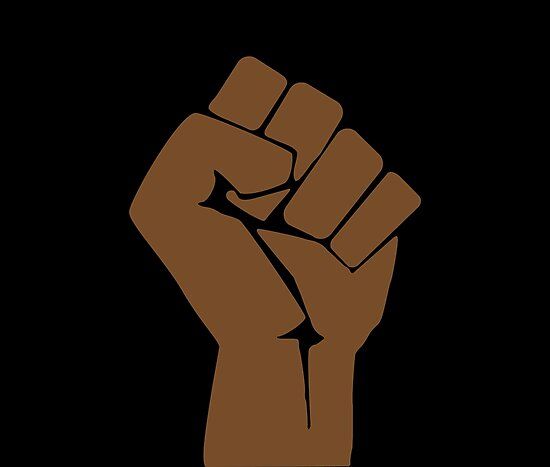
After the horrific death of George Floyd and countless other black men and women at the hands of the police, Black Lives Matter has brought the raised fist back to the forefront. It stands as a symbol of resistance and defiance. It says “We can no longer watch from the sidelines what is happening in our nation. We must raise our hands and voices until we force those who are blind to these injustices to acknowledge and protect us.”
3. The Palestinian Keffiyeh
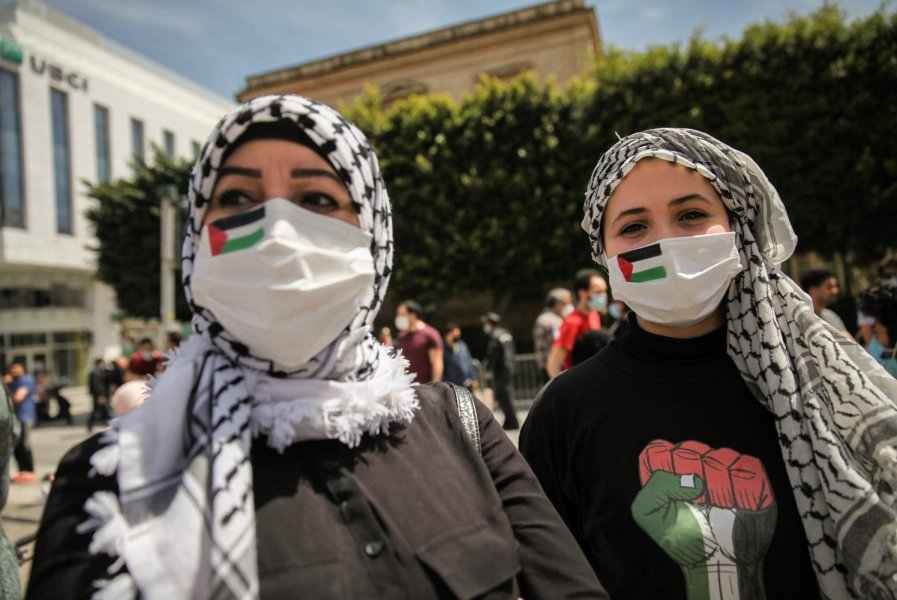
The Palestinian keffiyeh, also known as a “kufiya”, “hatta” or “shemagh”, goes far beyond its iconic black and white checks. Originating in Iraq, the square meter scarf spread throughout the Arab world as a traditional headdress worn in the Middle East and North African regions.
Upon reaching Palestine, the keffiyeh grew to represent far more than it had elsewhere. Today, it has transcended borders, religion, and gender to become an international symbol of solidarity with the Palestinian cause.
The Palestinian keffiyeh (AKA kufiya, shemagh, or hatta) is a black and white checkerboard headscarf. The keffiyeh has taken many forms, dating back as far as 3100BC Mesopotamia in the “Kufa” region of Iraq.
In Palestine, the garment was initially only popular among rural workers in the country – the fellah. Its breathability made it an effective way to protect farmers from the harsh sun and sand storms. In contrast, the more urban Palestinians – the effendi – would instead boast a red felt hat called the tarboush.
Over the last century, the keffiyeh has become popularized among the general Palestinian community. It no longer signifies social class, but instead has become a symbol of Palestinian identity and resistance.
4. The MeToo Hashtag
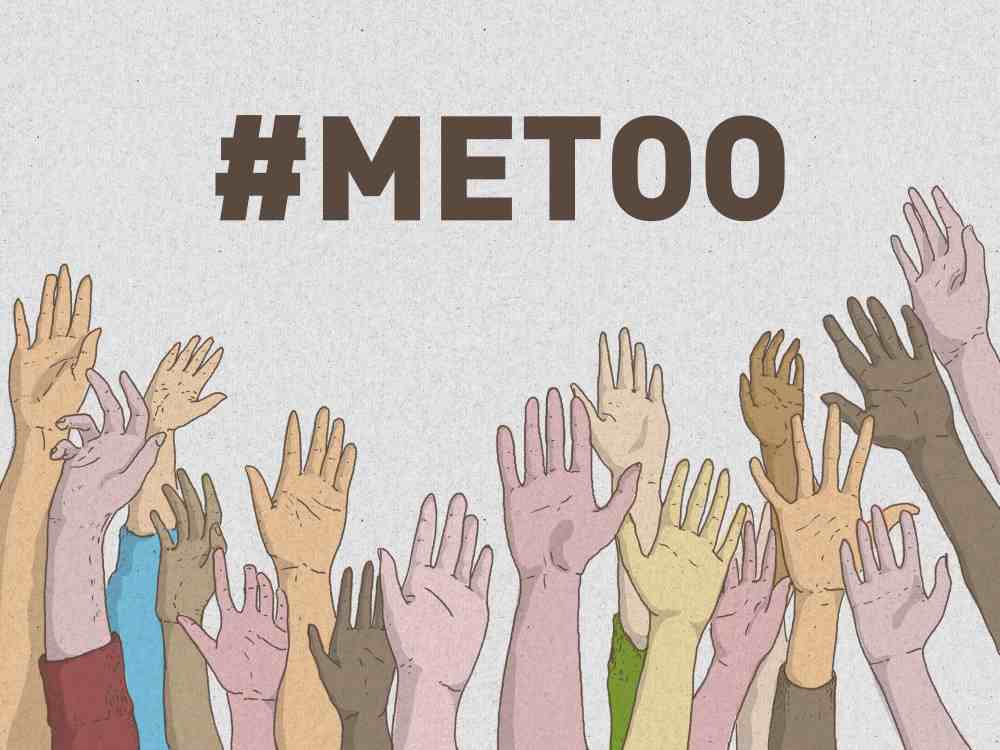
The “Me Too” movement, including the hashtag #MeToo, emerged as a powerful social media campaign to raise awareness about the prevalence of sexual harassment and assault. The movement gained momentum in October 2017 when allegations of sexual misconduct against Hollywood producer Harvey Weinstein came to light.
The phrase “Me Too” was initially coined by activist Tarana Burke in 2006 to create solidarity among survivors of sexual violence, particularly within marginalized communities. However, it gained widespread recognition and prominence when actress Alyssa Milano encouraged survivors to share their experiences on social media using the hashtag #MeToo in response to the Weinstein allegations.
The #MeToo hashtag quickly went viral, and people from various walks of life started sharing their personal stories of harassment and assault. The movement transcended geographical and cultural boundaries, highlighting the pervasive nature of sexual misconduct and the importance of addressing it.
Did we miss any? Let us know!

