

Unquestionably, the common assertion that “Dramas mirror society” prompts us to ponder its validity. In evaluating this statement, it becomes evident that certain dramas indeed serve as true representations of societal dynamics, tackling challenges and accepting the fact that social challenges can be overcome by parental support, particularly by fathers, as exemplified in dramas like Chand Tara, Kuch Ankahi and more.

What distinguishes these narratives is the profound influence of fatherly roles, a theme consistently emphasized. The prevailing notion that enduring hardships are made more bearable with parental support finds resonance in these stories. Pakistani dramas in 2023 decided to do it differently, (and thank Goodness for that), and the portrayal of desi dads serves as a source of inspiration for audiences, giving hope in an otherwise and often, bleak landscape!
1. Nabeel Zafar as Shabbir Ahmed in Sar-e-Rah

Emerging from a prolonged break, Nabeel Zafar graced our screens this year as Shabbir Ahmed in Sar-e-rah. Stepping into the character of Sarang’s (Muneeb Butt) father, Zafar’s performance really impressed. What truly distinguished this role was its distinctive narrative—a portrayal that breaks conventions. Sarang, depicted as an intersex individual born to Shabbir Ahmed, offers a unique perspective on the archetype of an ideal father.
As viewers, we were treated to heartfelt conversations between the father-son duo, providing much food for thought. Shabbir not only assures Sarang that he is not different but “special”—endowed with extra abilities to effect change or influence society. The undeniable confidence exuded by Sarang is undoubtedly a testament to his father’s unwavering support and continuous motivation. Emotions ran high when Shabbir Ahmed expressed his desire for Sarang to achieve great heights, emphasizing the unpredictable nature of life’s journey. He said
Me tujhy kisi oonchy muqaam pe dekhna chahta hun or wo bhi apny jeetey jee, kiu k pata nahi me yahan kab tak hun
Shabbir Ahmed to Sarang in Sar e Rah
Kahin jaa nahi raha, Burha horaha hun, Burhay na bhi jaana chahen unhn jaana tou parta hai.
Shabbir’s consistent support and confidence throughout his son’s life served as a compelling example for all future fathers out there, urging them not to abandon their special children by labelling them as different. Shabbir Ahmed emerges as a paragon of paternal virtue, showcasing how a father should support their children without discrimination. The narrative powerfully underscores the notion that a child, regardless of unique qualities, deserves unwavering support. In a thought-provoking manner, Shabbir Ahmed’s character prompts us all to question our own beliefs and perspectives.
2. Behroze Sabzwari as Mir Jaffer in Chand Tara
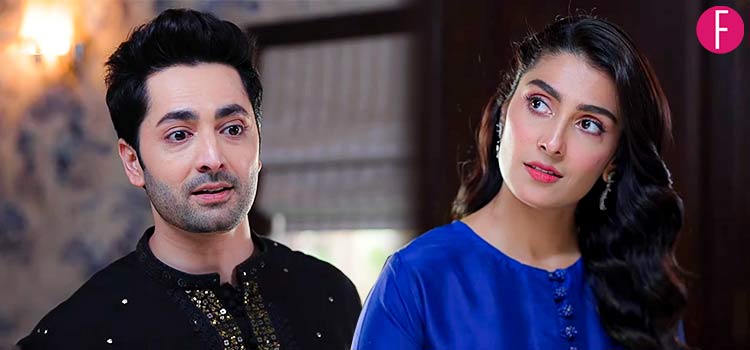
Daughters are often seen as their father’s favorites, a sentiment echoed frequently. In Chand Tara this year, Behroze Sabzwari as Mir Jaffer stood out as a prime example of a loving father to his daughter. Jaffer, vividly expressed unconditional support for his daughter Tara (Ayeza Khan). The show portrayed a father-daughter relationship, delving into paternal guidance in correcting mistakes, offering advice, and instilling confidence to face challenges.
Despite Tara living with her separated mother, the bond with her father remained exceptionally special. The couple comes together for their daughter’s wedding where Mir Jaffer imparted timeless wisdom:
Dekho, apni baat manwanay k liye pehly samny walay ki baat man’na parti hy. Mard ko dabane ki ya usko lead karny ki soch leke mat jaana, Kiu k achay mard ko iski zarurat nahi hoti or bura mard kisi ki sunta nahi hy.
Mir Jaffar to Tara in Chand Tara
Let’s appreciate the depth of this dialogue. It beautifully showcases how a father can guide his daughter in life’s ups and downs. Jaffer’s advice at Tara’s wedding not only resonated with her but also conveyed a powerful message to all the bride-to-be Taras out there. Jaffer, by trusting and respecting Tara’s decisions, sets an inspiring example. Such fatherly roles are rare in today’s TV dramas, dominated by arrogant and misunderstood parent portrayals. In a television landscape filled with challenging parent roles, Mir Jaffer’s portrayal is refreshing, creating anticipation for more diverse and impactful narratives.
3. Ali Tahir as Ehtesham in Jaisay Aapki Marzi

Mental abuse is a prevalent yet often misunderstood issue, society frequently dismisses as a personal problem rather than a medical concern. Sadly, parents, crucial influencers in their children’s lives, often lack awareness about these issues. Consequently, they may attribute the challenges to factors such as excessive mobile phone usage, rather than recognizing the gravity of mental abuse. In Jaisay Aapki Marzi, we witness the story of Alizay (Dur e Fishan), a highly ambitious and confident young woman enduring mental abuse from her husband. This portrayal underscores the urgent need for broader awareness and understanding of mental health issues within our society.
Ali Tahir as Ehtesham, Alizay’s father, imparts a crucial life lesson “Meri beti mujh pe bojh nahi hai.”
Ehtesham (Alizay’s dad) in Jaisay Aapki Marzi
Ehtesham disrupts the belief that parental responsibilities conclude with marrying off daughters. The drama boldly tackles the prevailing notion of daughters becoming burdens post-marriage. The drama significantly took down this statement which we often hear:
Ab us (susral) ghar sy tumhara janaza hi aana chahye, tum nahi
Ehtesham’s piercing question, “Why,” prompts introspection on the disconcerting practice of treating daughters as expendable after marriage. Courageously addressing mental abuse, the drama depicts Ehtesham’s unyielding efforts to rescue his daughter, challenging societal norms. This role emerges as a beacon of hope and a commendable initiative, affirming that parents should never condone mental abuse. Regrettably, contemporary TV dramas often lack such impactful portrayals, emphasizing the significance of narratives like this in fostering awareness about the urgent need to address mental abuse within families.
4. Muhammad Ahmed as Agha Jaan in Kuch Ankahi

Muhammad Ahmed, in his role as Agha Jaan in Kuch Ankahi, epitomizes the father every girl dreams of—instilling unwavering hope, trust, and confidence. The drama fearlessly addresses societal issues such as women’s rights, workplace harassment, and societal pressures, crafting a timely narrative.
Agha Jaan’s character resonates with its resounding portrayal of limitless support and unwavering confidence for his daughters. Demonstrating remarkable balance in every relationship, be it Samiya’s (Mira Sethi) resistance to marry Saif (Ali Safina) or her mother’s (Irsa Ghazal) desire for her to marry, Agha Jaan exemplifies the profound influence a father can wield, adeptly navigating varied relationships. He instilled in his daughter the strength to stand independently in society—a rarity among fathers. Agha Jaan’s unparalleled trust empowered Taniya (Qudsia Ali) to pursue filmmaking. He illuminated the path, equipping Aliya (Sajal Ali) with the skills needed to triumph over obstacles to become a successful real estate agent, exemplifying a father’s role in fostering his daughter’s confidence and success.
Agha Jaan showcased the integral part that fathers can play in his daughter’s marital decisions. Noting Samiya’s reluctance to wed Saif, he emphasized the essential paternal support, illustrating the robustness of familial ties:
Hamari tou umar guzar gayi betey, Ab apni maa ki khatir ya meri khatir apni zindai ko kyun dao py laga rahi ho
Agha Jaan to Samiya in Kuch Ankahi
We must appreciate Agha Jaan’s saying. The dialogue transcends depth, revealing the selflessness inherent in a father’s devotion to his daughters, exemplified by Agha Jaan. It underscores that fathers ultimately desire the best for their children, irrespective of prevailing conditions or a generation gap. Such role models, like him, are pivotal in sculpting a society poised for positive transformation, a beacon of hope in the quest for a better world.
Tell us which drama dad you loved best in 2023?

