

The recent release of Karachi’s Inter Board results has sparked widespread disappointment and concern as the board has reported a staggering failure rate of over 80%.
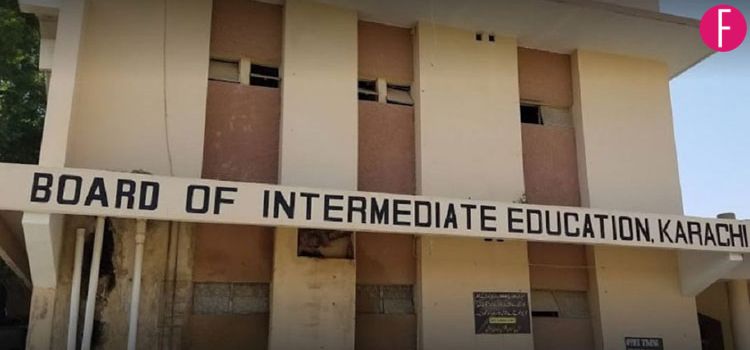
This alarming figure has left many students and their families distressed, questioning the fairness and transparency of the examination system. The impact of such a high failure rate extends beyond academic concerns, as students who dedicated themselves to their studies are now facing a bleak future due to these unexpected outcomes.
Reaction from students has led to a call for action, blames of rigging and a general mood of discontent from the concerned students. Some lament over the state of education in the country while others seek justice! Here’s the developing story.
Jamat-e-Islami Came Forward
In response to the disheartening results, Jamat-e-Islami has announced plans to stage a physical protest outside the Inter Board, voicing their concerns and demanding a reevaluation of the grading process. The protest is likely to draw attention to the systemic issues that may have led to such a disproportionately high failure rate, putting pressure on educational authorities to address and rectify these issues promptly. The students’ frustration and anxiety over their hard work not yielding the expected results are sentiments that resonate with many, highlighting the need for a thorough inquiry of the examination and grading system to ensure a fair and just evaluation of students’ academic efforts.
Amidst the disappointment and frustration surrounding Karachi’s Inter Board results, students have taken to social media platforms to express their discontent and organize virtual protests. Twitter, YouTube, and other social media platforms have become powerful mediums for students to share their stories, voice their concerns, and unite in solidarity against the reported high failure rate. Hashtags related to the issue have gained traction, with students using platforms like Twitter to trend hashtags that shed light on the perceived injustices and shortcomings of the examination system. YouTube, as another avenue for expression, has witnessed the creation of videos and content addressing the challenges students face, garnering support from a wider audience. This digital activism not only serves as an outlet for the frustration of affected students but also puts pressure on educational authorities to address the grievances and consider necessary reforms. The virtual realm has proven to be a powerful tool for social mobilization, enabling students to amplify their voices and demand accountability in a rapidly evolving digital landscape.
Here’s how students and protestors are addressing this issue on Twitter,
Unacceptable Inter Results
Authorities Under Scrutiny
Call For Protest
The pressing question at hand revolves around the duration it will take for educational authorities to acknowledge the concerns raised by students and recognize the profound impact their decisions have on the future trajectories of these young individuals. There is a collective hope that, through peaceful protest, the students can effectively convey the gravity of the situation and impress upon the authorities the need for a fair and transparent evaluation system. The central query persists: will this peaceful protest yield productive outcomes? The students, who have invested considerable effort and commitment to their studies, are earnestly seeking assurance that their hard work will be duly recognized, and results will be reflective of their dedication. In this atmosphere of uncertainty, the overarching question remains: can this peaceful protest pave the way for a meaningful dialogue and, ultimately, a resolution that ensures students receive the outcomes commensurate with their diligence and commitment? Only time will give the answers, but the hope persists for a fair and just resolution to this complex situation.

