

It’s August, the month of independence when we proudly celebrate the freedom our nation achieved. But how often do we think about the struggles, sacrifices, and challenges that led to the creation of a separate homeland? Achieving independence was far from easy; it took years of determination, negotiation, and a relentless fight for justice.
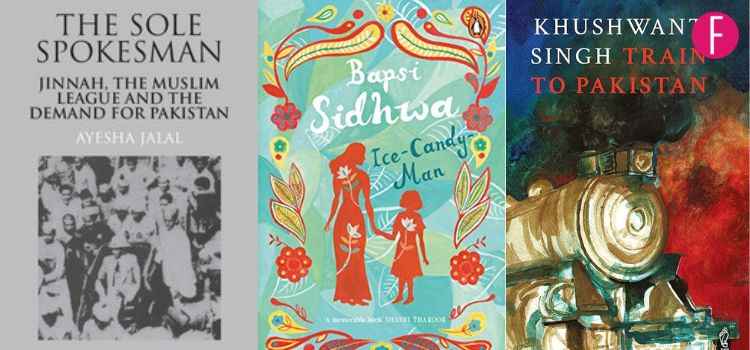
They often say, “To know yourself, you must understand where you come from.” And with August 14th just around the corner, there’s no better time to reflect on the roots of our nation through the moving stories of Pakistan’s Partition. Muslims, in particular, played a crucial role in shaping the future of the subcontinent. To truly appreciate the significance of this month, why not take some time to learn more about the history that brought us here? If you’re curious about the journey that led to the creation of Pakistan, here are four books that will give you a deeper understanding of this important chapter in our history.
1. Basti by Intizar Hussain
Basti, written by the respected Urdu author Intizar Hussain, is a deeply reflective novel about the Partition of India. The story revolves around Zakir, an Indian Muslim who moves to Lahore after the Partition. Through Zakir’s memories, Hussain takes us on a journey through the past and present, showing us how deeply the Partition affected the lives of those who lived through it. The novel uses a unique style, jumping back and forth in time, which helps us understand the confusion and emotional turmoil that Zakir experiences.
Hussain’s writing allows readers to feel the pain of displacement and the struggle to hold on to memories of a lost world. The book explores the sense of rootlessness felt by many Muslims who migrated to Pakistan. Through Zakir’s relationships with his friends, family, and the community, the novel paints a vivid picture of the challenges Muslims faced during this period. If you’re looking for a book that captures the emotional impact of Partition on Muslims, Basti is a meaningful and thought-provoking read.
2. Ice-Candy-Man (also known as Cracking India) by Bapsi Sidhwa
Ice-Candy-Man, written by Bapsi Sidhwa, offers a powerful look at the Partition through the eyes of Lenny, a young Parsi girl living in Lahore. The story unfolds during the final years of British India, just before the Partition. Sidhwa’s narrative shows how the once-peaceful coexistence of Muslims, Hindus, Sikhs, and Parsis in Lahore is shattered by the violence and chaos of the Partition. The book gives a detailed account of the horrors and confusion that the Partition brought to the lives of people living in the subcontinent.
What makes Ice-Candy-Man stand out is its focus on the experiences of women and minorities, groups often overlooked in historical accounts. Sidhwa gives a sympathetic portrayal of them, highlighting the deep impact of the Partition on their lives and their relationships with others. The novel is a reminder of the human cost of political decisions and the resilience of those who survived one of the most violent events in history. If you want to read a novel that gives a personal and heartfelt view of the Partition, Ice-Candy-Man is an excellent choice.
3. Train to Pakistan by Khushwant Singh
Khushwant Singh’s Train to Pakistan stands out as one of the most compelling novels about the Partition, providing an intimate look into the lives of ordinary people amidst extraordinary events. Set in the fictional village of Mano Majra, which straddles the border between India and Pakistan, the story vividly portrays the upheaval experienced by this once peaceful community of Muslims, Hindus, and Sikhs. As the violence and fear of Partition spread, the village is abruptly torn apart. Singh’s narrative skillfully examines how the people of Mano Majra, including its Muslim residents, struggle to cope with the rapid and brutal changes imposed upon them.
Singh’s writing makes the reader feel the tension and fear that gripped communities during this time. The novel’s title refers to the trains filled with dead bodies that became a tragic symbol of the Partition’s brutality. Through the experiences of the villagers, Train to Pakistan shows the deep divisions and the loss of trust that the Partition caused.
4. The Sole Spokesman: Jinnah, the Muslim League, and the Demand for Pakistan by Ayesha Jalal
Ayesha Jalal’s The Sole Spokesman is a significant historical account that examines Muhammad Ali Jinnah’s role and the Muslim League’s influence in creating Pakistan. Unlike the other novels listed, this non-fiction work provides a detailed analysis of the political strategies and decisions that ultimately led to Partition. Jalal’s research, therefore, challenges many common narratives about Jinnah and the demand for Pakistan, offering a fresh perspective on how and why Pakistan came into being.
Moreover, Jalal’s book is particularly valuable for readers seeking to understand the political context surrounding Pakistan’s creation. She thoroughly explores how Jinnah skillfully navigated the complex relationships between the British, the Congress, and the Muslim League. This careful exploration ultimately led to the establishment of a separate nation. Consequently, The Sole Spokesman becomes essential reading for anyone interested in the political history of Partition, offering a deeper understanding of the Muslim struggle for independence.
As we celebrate Independence Day this August, it’s crucial to remember the complex and often painful history that led to our nation’s creation. These four books collectively offer a valuable window into the experiences of ordinary people during the Partition, highlighting their sacrifices, struggles, and resilience. By reading these insightful stories, we gain a deeper understanding of the human cost of independence and the enduring impact of those events on our present. These books remind us that, although the journey to freedom was fraught with difficulty, it was ultimately a journey worth undertaking.

