

History is not just about dates and events; it’s about the rich tapestry of human experiences, cultures, and lessons that shape our present and future. Reading books on history, especially those detailing significant events like the partition of British India, offers profound insights and a deeper understanding of our world.
Each page reveals stories of courage, resilience, and transformation that resonate with our own lives. Engaging with history helps us appreciate the complexities of human nature and societal changes. It teaches us empathy by putting us in the shoes of those who lived through pivotal moments. Moreover, historical knowledge empowers us to make informed decisions and avoid repeating past mistakes.
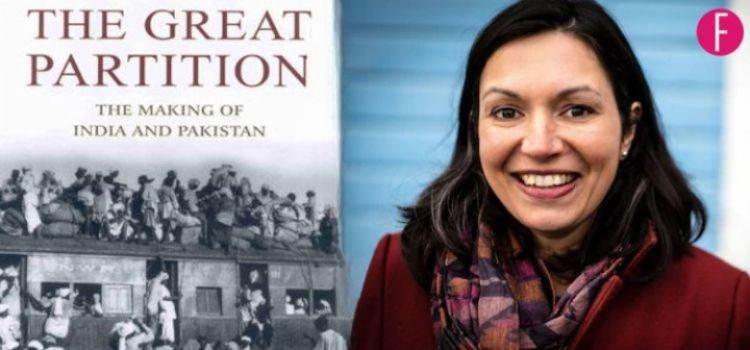
Today, we are spotlighting a must-read book: “The Great Partition: The Making of India and Pakistan” by Yasmin Khan. This meticulously researched account delves into the intricate complexities and human experiences surrounding the partition of British India in 1947. It marks an essential event that led to the creation of two independent nations. Additionally, Khan’s narrative offers a balanced and nuanced exploration of the political, social, and personal dimensions of this historic moment. Furthermore, Khan’s thorough research is complemented by her empathetic storytelling approach, which vividly portrays the human impact of partition. In addition to this, her analysis encompasses the perspectives of various stakeholders involved in the partition negotiations. Moreover, Khan critically examines the long-term implications of partition on communal relations and national identities in both India and Pakistan.
An In-Depth Review Of “The Great Partition: The Making of India and Pakistan” By Yasmin Khan
The book provides an in-depth examination of the complexities surrounding this historic event. Khan’s detailed research and engaging storytelling make this book a compelling read for anyone interested in South Asian history.
One of the most powerful aspects of the book is Khan’s focus on the human cost of partition. She clearly describes the widespread violence, displacement, and suffering that accompanied the creation of India and Pakistan. Personal stories, such as a family’s harrowing journey across the newly drawn borders, highlight the profound impact on individuals. As one character poignantly states,
“We left everything behind, but our memories haunt us still.”
Khan’s narrative captures the chaos and fear that gripped millions, providing an empathetic portrayal of their struggles and resilience.
Furthermore, Khan offers a balanced perspective on the roles of key figures such as Mahatma Gandhi, Jawaharlal Nehru, Mohammad Ali Jinnah, and Lord Mountbatten. She reveals the complex interplay of political ambitions and personal motivations that led to the partition. For instance, Khan discusses how Nehru’s vision for a secular India clashed with Jinnah’s demand for a separate Muslim state. Through detailed accounts of negotiations and conflicts, the book uncovers the intricate dynamics that shaped the decision to partition the subcontinent. Khan’s nuanced analysis ensures that readers gain a comprehensive understanding of the historical context and its long-lasting implications.
In addition, the book critically examines the role of British colonial policies in exacerbating communal tensions and contributing to the partition. Khan argues that the hurried and poorly planned British withdrawal played a significant role in the ensuing chaos and violence. The book also explores the long-term impact of partition on communal relations and national identities in both India and Pakistan. Through primary sources, including personal testimonies and archival documents, Khan adds depth and authenticity to her account. Her engaging writing style and thorough research make this book an indispensable resource for anyone seeking to understand the complexities of this event.
Loopholes And Areas For Improvement In “The Great Partition”
While the book offers a thorough analysis, it sometimes overlooks regional perspectives outside major cities like Delhi and Lahore. More coverage of rural areas would provide a fuller picture of the partition’s impact. The book could delve deeper into the role of women during this tumultuous period. Additional firsthand accounts from diverse socio-economic backgrounds would enhance the narrative. Some readers might find the pace uneven, with certain sections feeling rushed. More exploration of long-term psychological effects on survivors would enrich the discussion.
Strengths In “The Great Partition”
Yasmin Khan’s “The Great Partition” excels in its interdisciplinary approach, integrating cultural anthropology to explore how societal norms influenced the partition’s outcomes. Additionally, Khan provides a detailed examination of the economic impacts of partition, shedding light on how trade routes and economic policies were affected.
Unlike many historical books that assert broad claims without substantiating them, this book meticulously supports its arguments with extensive archival evidences. The rigorous research and detailed analysis provide a solid foundation for understanding the complexities of partition.
Who Should Read It & Why?
The Great Partition is a must-read for anyone fascinated by history, particularly those eager to explore the intricacies of South Asian politics and society. This book offers a detailed and empathetic exploration of one of the 20th century’s defining moments. Whether you’re a scholar, a student, or a general reader interested in understanding the complexities of historical events, This one promises a compelling and enlightening journey. We would rate it 4.5 out of 5 stars for its scholarly rigor, accessibility, and insightful analysis.
Share your suggestions in the comments: What type of book would you like us to review next? Let us know!

