

“Dastaan,” a groundbreaking Pakistani television drama from 2010, unfolded an emotional and historical journey amidst the chaos of the 1947 partition of British India. Adapted from Razia Butt’s novel “Bano” the series intricately weaves together a narrative of love, sacrifice, and the profound impact of political upheaval on individual lives.
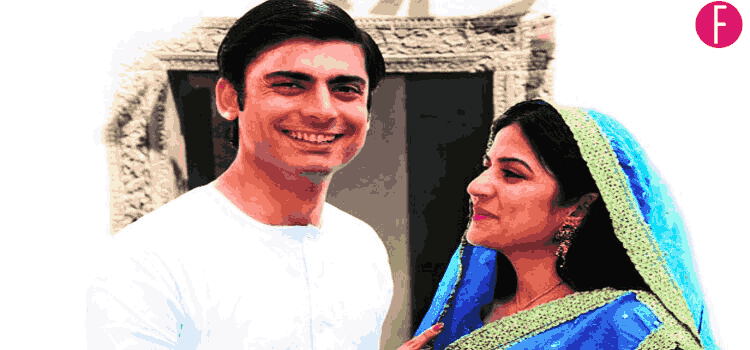
If vintage dramas ever had a place in our hearts, now is the time. From Raqeeb se to Kabli Pulao and now, Tumharey Husn kay Naam, this genre of the so called golden age of PTV is making a comeback in the decade. The stories unfold as a dream sequence, the performances, finessed to a finely-chiseled art form and the feel, absolutely poetic – and this is why, it only makes sense to reminisce about a story that held a similar sway over audiences’ hearts. The time was not 2023 though.
Read on to traverse time and be teleported into an era of love, sacrifice, history and intense emotion – Dastaan gave us all that and more!
A Symphony Of Warmth – Bano & Hassan’s Love Story
In the heart of Dastaan, Bano and Hassan’s love story reflected the uncertainties of the partition era, portraying the human cost of political decisions. Initially, Bano’s family chose to stay loyal to British India, rather than moving to newly formed Pakistan. Consequently, this decision led to the tragic loss of their entire family, leaving Bano at the mercy of inhumane individuals. However, Hassan’s move to Pakistan and Bano’s decision to stay back shattered their relationship, an ending they never could have imagined. The drama sensitively depicted the nuances of love and sacrifice amidst political turmoil, providing a detailed perspective on personal challenges within the broader partition story.
The Epic Performances & Emotional Depth
The cast, also featuring Saba Qamar, Ahsan Khan and others, brought characters to life with compelling performances. Sanam Baloch’s portrayal of Bano stood out for emotional depth, forging a powerful connection. The heart-wrenching scene where Saba Qamar (Suraiyya) and Ahsan Khan (Saleem) die after the Sikh’s attack painted myriad emotions. Viewers experienced the pain of death and the fear of losing a loved one. This scene reflected unimaginable difficulties during British India’s partition. The chemistry between lead actors, Sanam Baloch and Fawad Khan, heightened the narrative’s impact, driving the love story. It also illuminated the broader human experience within the historical context. Each actor contributed to the rich tapestry of emotions, capturing the essence of the characters and engaging the viewer deeply in their journey.
Excellent Historical Crafting
Dastaan excels in narrative and historical crafting. Firstly, the set design of Bano’s brother’s wedding captures pre-partition celebrations. Adorned with the traditional Laal Jora, loads of gold jewels, and a mandatory Jhumka for the bride, it transports viewers to a bygone era. Then, intricate details, from attire to decorations, enhance historical authenticity. Family gathering scenes were a true testament to the production team’s dedication to accuracy. Consequently, these details contribute to making it not just a drama but a captivating journey through history, where each set design becomes a window into the past.
Dialogues Echoing Emotions
One of the standout features of the drama was its thought-provoking dialogues that connected with the viewers. A heart touching line, delivered by Fawad Khan’s character Hassan, captured the emotional depth of the character’s journey:
“Hum ek dusre se itni mohabbat karte hain ki khud ko bhool jaate hain, aur phir ek din achanak se, humein sab kuch yaad aata hai.”
This dialogue captured the essence of the character’s emotional complexity and served as a bridge between the personal and political dimensions of the story. The dialogues, carefully designed and delivered, added layers of meaning to the narrative, making “Dastaan” a deeply reflective and resonant experience for the audience.
Beyond Borders – Dastaan’s Cultural Legacy
Viewers revisiting Dastaan embark on a journey beyond typical TV drama. The gripping tale prompts reflection on broader historical implications. Dastaan becomes a powerful medium preserving stories of resilience and loss. It ensures the human side of the partition remains central, similar to Jo Bichar Gaye and Khaab Toot Jaate Hain – recent Pakistani drama projects focusing on events leading up to1971. It stands as a timeless testament to TV dramas bridging entertainment and historical consciousness. Audiences engage with the past through the deeply human lens of Dastaan.
Watch this one to get a flavour of the vintage, a peek into timeless performances and a love story that transcends time and place forever!
Catch Up More On Drama Gup With FUCHSIA
Dastaan, a 2010 masterpiece that aired on Hum TV, was a collaborative triumph. Written by Razia Butt (novel) and adapted for television by Samira Fazal, it was brought to life by the masterful direction of Haissam Hussain. The stellar cast, featuring Fawad Khan, Sanam Baloch, Saba Qamar, Ahsan Khan, Samina Peerzada, Asma Abbas, Saba Hamid, Mehreen Raheel, Daniyal Raheel, Humaira Ali, Sangeeta, Babrik Shah and more delivered unforgettable performances

