

The conflict in Parachinar, Pakistan, stems from a complex blend of sectarian, tribal, and geopolitical tensions, worsened by a humanitarian crisis due to blocked access and insufficient resources.
Background and History
Parachinar is the capital of Kurram District, located in Pakistan’s tribal regions bordering Afghanistan. It is unique for its significant Shia population, primarily the Turi and Shia Bangash tribes, in a region that otherwise has a Sunni majority. Due to its proximity to the Afghan border and its strategic importance as the shortest route to Kabul, the area has often been drawn into regional conflicts.
The region’s demography have historically made it a target for extremist groups, particularly the Tehreek-e-Taliban Pakistan (TTP), who oppose the Shia community for religious and ideological reasons. The Taliban used Kurram as a sanctuary, deepening divisions and perpetuating violence, during the post-2001 U.S invasion of Afghanistan.
Years Long Rebellion
The Shia-Sunni tensions, inflamed by external influences and local disputes, have led to repeated cycles of violence. The sectarian divide between Shia and Sunni communities underpins much of the violence. Sunni militant groups, including the Taliban, have attacked the Shia-majority, targeting them for their faith. Local disputes over resources, particularly land, have also escalated into sectarian clashes, often exacerbated by external actors.
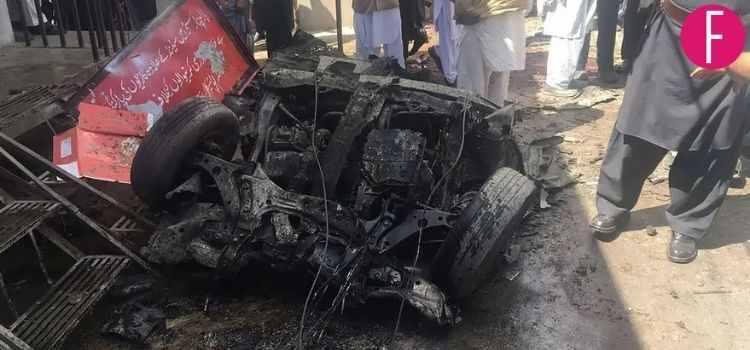
For instance, the land dispute in Dandar Sehra in 2023 led to armed clashes. While authorities termed the issue a tribal land dispute, residents claimed it was purely sectarian. The recent bus incident in November, which claimed the lived of more than 50, is also an example of the ongoing disputes.
Blockades of roads, including the Parachinar-Peshawar highway, have isolated the region, leading to acute shortages of food, medicines, and essential supplies. Due to the shortage of medical supplies, 29 innocent children have lost their lives .
Government Response
Recognizing the gravity of the humanitarian crisis in Parachinar, Prime Minister Muhammad Shehbaz Sharif has directed the Ministry of Health and the Ministry of Interior to address the critical shortage of medicines in the region. He emphasized the need for immediate collaboration with the Khyber Pakhtunkhwa government to ensure timely relief efforts.
Chief Minister of KPK, Amin Ali Gandapur, has also called for increased security measures. The provincial and local governments have enforced security measures.
The tragic events serves as a stark reminder of the ongoing security challenges faced by KPK. As we reflect and think about the loss of the innocent lives, our thoughts and prayers go out to their families in this tough time. This is also a reminder that security measures need to be restored in the region, and the government needs an approach to combat sectarian violence not only in KPK but other regions too.
Efforts Are Needed
Philanthropist Faisal Edhi has expressed grave concern over the worsening humanitarian crisis in Parachinar, highlighting the severe shortage of medicines and essential supplies, which he warned is endangering lives.
“We urgently need essential medicines here,” he stated. “Moreover, dozens of children are battling pneumonia, and the situation has reached a critical point.” It’s on the bring if a disastrous humanitarian crisis. Edhi has managed to pull patients on flights but thousands are left stranded.
Our thoughts, prayers are with the people of Parachinar, hoping for a favourable support and that the see better days.
Sources: Al Jazeera, Dawn, Australian Institute of International Affairs, Press TV

