

Late Thursday night, Pakistan launched Operation Ghazab lil-Haq, a decisive military response following what Islamabad described as unprovoked cross-border attacks by the Afghan Taliban. Pakistani jets targeted key Taliban installations across Kabul, Kandahar, and Paktia, marking one of the most significant escalations along the Durand Line in recent years.
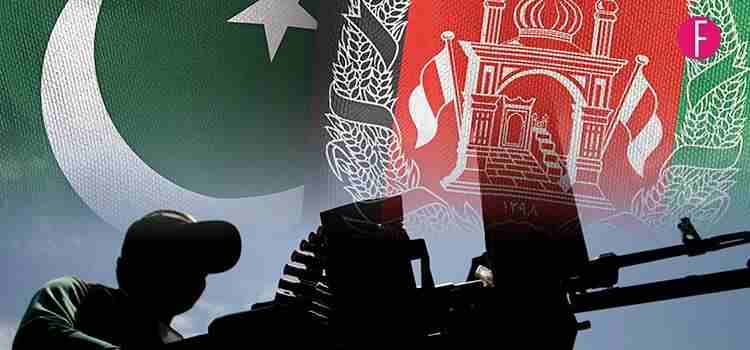
The operation comes amid months of rising tension, fueled by Pakistan’s longstanding concerns that terrorist groups, including the Tehreek‑e‑Taliban Pakistan (TTP), have been using Afghan territory to stage attacks inside Pakistan. Islamabad has repeatedly emphasized that any aggression or facilitation of terrorism from across the border will be met with an “iron hand.” According to the DG ISPR, Lt Gen Ahmed Sharif Chaudhry, over 270 Afghan Taliban operatives and terrorists have been neutralized in these strikes, while Pakistan lost 12 troops during the operation.
Despite the intensity of the strikes, the Afghan Taliban have expressed a willingness to engage in talks. Spokesperson Zabihullah Mujahid stressed during a recent news conference that Afghanistan has repeatedly sought a peaceful resolution and that dialogue remains the preferred way to resolve the crisis. He described Pakistan’s military action as a retaliatory measure and called on both sides to avoid further escalation.
Meanwhile, Pakistan has maintained that the Taliban must make a clear choice between supporting terror groups or maintaining peaceful ties with Pakistan, signaling that operations will continue until such clarity is achieved. Analysts note that this latest round of strikes and counterclaims reinforces the pattern of tit-for-tat violence that has plagued the border region for months.
On the home front, Pakistani authorities have taken immediate measures to prevent further threats. Security forces in Abbottabad foiled a drone attack, allegedly planned by Afghan Taliban and Fitna-al-Khawarij elements. In addition, the Islamabad administration has imposed a two-month ban on all drones, UAVs, and similar aerial devices under Section 144, citing the ongoing tensions.
DG ISPR also highlighted the political unity behind the operation, clarifying that all major parties, including provincial governments, are aligned on the National Action Plan against terrorism. He stressed that, despite political differences, Pakistan is united in ensuring no space is allowed for terrorism or its facilitation within the country.
This series of events has escalated tensions along the Pakistan-Afghanistan border, with the potential for further clashes if diplomatic channels remain inactive. While Pakistan has demonstrated military resolve, the Taliban’s insistence on dialogue signals that a negotiated de-escalation, though challenging, may still be possible if both sides exercise restraint
Sources: Dawn, Al-Jazeera, BBC, The Guardian


Comments 1