

Pakistan has recently been in discussions about the possibility of a smart lockdown, not because of a health emergency, but due to a combination of global energy shocks and rising fuel pressures that are affecting the country’s economy and daily life.
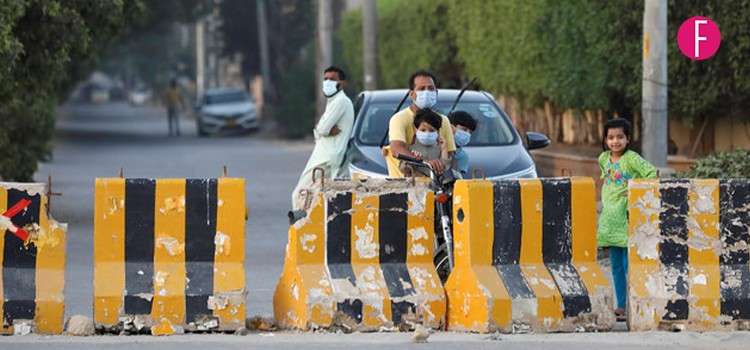
In early 2026, tensions in the Middle East – especially involving Iran and its role in the current conflict – have severely disrupted the flow of oil through the Strait of Hormuz, a narrow but critical corridor through which a large share of the world’s crude oil usually moves. When this route became unsafe for normal commercial shipping, global oil supplies tightened and prices surged to record highs. This has affected economies around the world, pushing governments to consider measures once used during the COVID‑19 era to conserve energy and reduce demand.
Pakistan is heavily dependent on imported fuel, so any disruption in global oil markets immediately impacts the country’s economy, fuel prices, and energy security. With higher crude oil prices and tighter supply, the cost of petrol, diesel, and electricity in Pakistan has risen, adding pressure on households and businesses alike. This external shock has created a situation where the government is exploring various options to manage energy consumption and economic strain without fully shutting down the country.
What A Smart Lockdown Is & Why It Was Considered
A smart lockdown is a targeted restriction on movement and non‑essential economic activity in specific areas or at specific times, rather than a nationwide closure. The purpose is to reduce fuel and energy use in high‑demand periods or locations, while allowing most of the economy to continue functioning. Experts and officials considered this approach as a way to lower energy consumption – such as reducing travel or non‑critical services – without the severe impact of a full lockdown.
The talk around smart lockdowns did not emerge in isolation. It is part of broader austerity and energy‑saving discussions as the government seeks ways to cope with soaring fuel costs and supply vulnerabilities caused by international events. With oil prices staying high and the country’s import dependency exposed by the Hormuz situation, officials were reported to be weighing various measures to conserve fuel use and protect the economy, including smart lockdown proposals.
What A Smart Lockdown Would Mean For Citizens
If implemented, a smart lockdown might involve:
Restrictions in specific cities or sectors for limited periods to reduce energy use.
Movement limitations in designated zones.
Continued operation of essential services like hospitals, pharmacies, and basic transportation.
Public advisories on energy conservation and travel reduction.
The idea is not to halt life completely, but to encourage temporary behavioural changes.
While no official smart lockdown has been implemented, the government explored targeted measures to conserve energy, such as reducing working hours in offices, limiting non-essential industrial activity, and encouraging minimal travel in high-demand areas. Staying informed through verified channels and avoiding misinformation helps citizens respond calmly and responsibly during times of uncertainty.


Comments 1