


The much-talked-about Pakistani drama Aik Aur Pakeezah wrapped up, and its ending has left viewers both emotional and deeply satisfied. From its very first episode, the show struck a chord with audiences by tackling hard-hitting themes like cybercrime, social stigma, and victim-blaming – issues that feel all too real in today’s digital world. Aik Aur Pakeezah didn’t just tell a story; it sparked conversations that extended far beyond the screen.
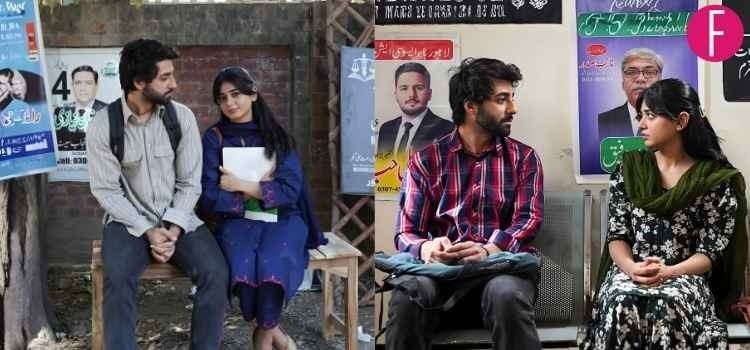
Because if you really think about it, Aik Aur Pakeezah didn’t rely on grand twists or loud moments to make its finale land – it leaned into the details, the kind you don’t notice instantly, but end up remembering the most. It’s in the pauses, in the way conversations don’t always wrap up neatly, and in how every character is allowed a moment that feels earned rather than forced. The ending doesn’t rush to conclude – it lingers, almost like it knows some stories aren’t meant to be tied up too perfectly.
Mummy, for instance, was one such character you don’t quite realise you’ve grown attached to until it’s time to let go. There was a softness to her, a kind of quiet warmth that made her presence feel comforting even in the heaviest moments. She wasn’t written to dominate scenes, but she didn’t need to. By the end, saying goodbye to her feels unexpectedly difficult -because somewhere along the way, she became the emotional anchor you didn’t know you were holding onto.
Take that image of Yaseen in handcuffs. It wasn’t staged as a dramatic high point with over-the-top reactions. Instead, it felt almost restrained – uncomfortably so. And yet, somewhere in that stillness, there’s a strange sense of satisfaction that settles in. Not the loud, celebratory kind, but something deeper – you feel relieved, almost at ease, like something long overdue has finally found its place. What makes it land even more is that it doesn’t feel forced or conveniently written. The finale doesn’t show Yaseen languishing in prison just because it has to; it walks you through the process, step by step, and also stamps his multiple jail terms as a warning to those watching, and a badge of honour for all the Pakeezah’s of thos world- making it feel earned. Because the truth is, justice doesn’t always prevail – and we know that. But when it does, what it feels like, how it settles in your chest – that’s exactly what Aik Aur Pakeezah manages to capture.
And then, almost seamlessly, the focus shifts. Away from consequence and toward the people who held the story together all along. It’s in these softer moments that the finale really breathes. One of the high points of the story also circles back to Pakeezah taking a stand against Akbar – her own brother – after he is held accountable and ultimately imprisoned for attempting to murder her and Faraz. It lands with a heaviness that goes beyond a typical justice moment, because it isn’t just about right and wrong in a general sense; it’s about choosing truth even when it comes at the cost of blood relations. And that’s what makes it so striking – the drama doesn’t soften that conflict or wrap it in excuses. It lets it stand as it is.
There’s something deeply rooted in that choice. A sense that accountability doesn’t shift depending on who stands on the other side of it. A crime remains a crime, even when it’s committed within family ties. And Aik Aur Pakeezah just simply shows it, allowing the weight of it to settle naturally. Every angle of the story found its closure – whether it was Noor Bhari, Deema, Saman, Zubair, Aarzoo, Mummy and the rest, each arc was brought to a fitting end.
Here’s How Audiences Are Reacting To the Closure Of Aik Aur Pakeezah
How did you like the ending of Aik Aur Pakeezah? Do you have something to add? Share your thoughts in the comments below.