

In a significant escalation following the assassination of Hamas leader Ismail Haniyeh, Iran’s supreme leader, Ayatollah Ali Khamenei, has issued a direct order for a retaliatory strike on Israel. This decision, reported by The New York Times, comes after Haniyeh’s killing in Tehran, which Iran attributes to Israeli forces. The directive was given during an emergency meeting of Iran’s Supreme National Security Council, highlighting the heightened tensions and potential for further conflict in the region.
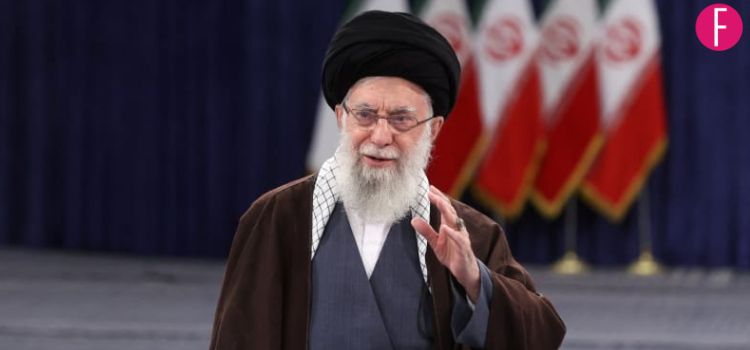
This order and immediate action by Ayatollah Ali Khamenei underscores Iran’s commitment to responding forcefully to what it perceives as an aggressive act against its sovereignty. The supreme leader emphasized the duty to avenge Haniyeh‘s blood, particularly because the assassination occurred on Iranian soil. Iranian military commanders are reportedly preparing plans for both offensive and defensive operations, considering various strategies, including coordinated attacks involving drones and missiles targeting military sites near Tel Aviv and Haifa. These plans aim to maximize impact while avoiding civilian casualties, reflecting Iran’s strategic approach to retaliation.
The Iranian response also includes potential coordination with allied forces across the region, including groups in Yemen, Syria, and Iraq. This broader strategy aligns with the “axis of resistance” framework, which includes Hezbollah in Lebanon, the Houthis in Yemen, and various militias in Iraq. The assassination of Haniyeh, who was in Tehran for President Masoud Pezeshkian’s inauguration, has intensified calls within Iran for a decisive response, with various officials openly declaring the necessity of retaliation.
Iran’s leadership, including President Pezeshkian and officials from the Revolutionary Guards, have echoed Khamenei’s sentiments, asserting Iran’s right to defend its sovereignty and respond to the blatant act of aggression.
The global reaction to this development remains critical, as nations weigh the implications of Iran’s planned response. Calls for de-escalation and dialogue are expected to intensify, with the hope of preventing further violence and maintaining regional stability. The situation remains dynamic, with further developments anticipated as Iran finalizes its plans and the international community responds to this alarming escalation.
This is a developing story.
News Sources: NDTV, The New York Times, and ANI.

