

Karachi has seen a surge in Chikungunya cases, with over 211 reported in just five months, according to health officials.
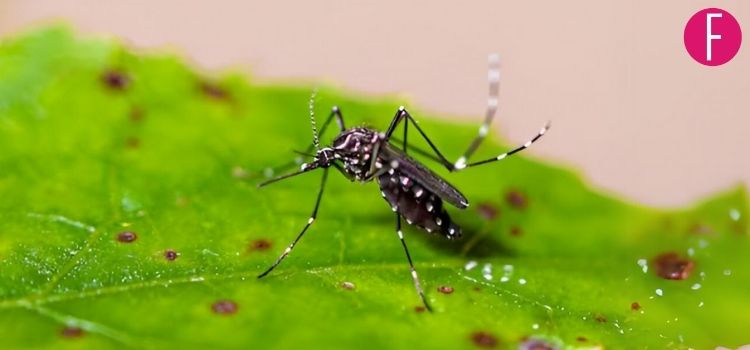
Despite the rising numbers, many people are still unaware of what Chikungunya is, its causes, and its symptoms, making it crucial to spread awareness. This mosquito-borne viral disease has sparked concern among residents, especially given the unpredictable weather and increasing mosquito population in the city. The lack of proper understanding about Chikungunya could lead to delayed treatment and unnecessary panic. Chikungunya, often mistaken for dengue or malaria, is often accompanied by the following symptoms: high fever, severe joint pain, and other flu-like symptoms. As the disease continues to spread, it’s important to know how to recognize, prevent, and treat it.
What Is Chikungunya?
Chikungunya is a viral disease transmitted to humans by infected mosquitoes, primarily the Aedes aegypti and Aedes albopictus species. It was first identified during an outbreak in Tanzania in 1952. The name “chikungunya” comes from the Makonde language, meaning “to become contorted,” referring to the stooped posture of patients due to severe joint pain.
Infected individuals experience sudden onset of fever, rash, and debilitating joint pain. Although Chikungunya is rarely fatal, the symptoms can be severe and long-lasting, significantly affecting quality of life.
What Are The Symptoms?
The symptoms of Chikungunya usually appear four to eight days after a person is bitten by an infected mosquito. The most common symptoms include high fever, severe joint pain, and muscle pain. Patients often experience joint swelling, headaches, and rashes, which can be mistaken for other viral infections like dengue.
Joint pain can be particularly severe and may persist for weeks or even months, making it difficult for patients to perform daily activities. In some cases, individuals may also experience gastrointestinal symptoms like nausea, vomiting, and abdominal pain. Older adults and people with existing medical conditions are at higher risk of developing complications from Chikungunya.
How Is Chikungunya Diagnosed?
Diagnosing chikungunya can be challenging because its symptoms resemble those of dengue and other viral infections. Healthcare providers often use clinical evaluation based on symptoms and the patient’s travel history to suspect Chikungunya. Laboratory tests like RT-PCR (reverse transcription-polymerase chain reaction) and ELISA (enzyme-linked immunosorbent assay) help confirm the diagnosis.
RT-PCR can detect the virus in the early stages, while ELISA tests can identify antibodies produced in response to the infection. Early diagnosis is crucial for effective management and to prevent the spread of the disease, especially in areas with active mosquito populations.
What Are the Causes Of Chikungunya?
Chikungunya is primarily caused by the chikungunya virus, which is transmitted to humans through the bites of infected Aedes mosquitoes. These mosquitoes are most active during the early morning and late afternoon, making these times high-risk periods for transmission. Factors like stagnant water, improper waste management, and urbanization contribute to the spread of mosquitoes.
Climate change and increased travel have also played a role in spreading Chikungunya to new areas. Infected individuals can carry the virus to different regions, causing local outbreaks when suitable conditions for mosquito breeding exist.
What Is The Treatment?
Treatment for Chikungunya focuses on relieving symptoms, as there is no specific antiviral medication available. Patients are advised to get plenty of rest, drink fluids to stay hydrated, and use pain relievers like acetaminophen or paracetamol to manage fever and discomfort. Adequate hydration is essential to prevent complications from dehydration, especially during periods of high fever.
It is important to avoid aspirin and other non-steroidal anti-inflammatory drugs (NSAIDs) like ibuprofen and naproxen, as these can increase the risk of bleeding. This precaution is particularly necessary if there is a possibility of co-infection with dengue, which can also cause hemorrhagic symptoms. Always consult a healthcare professional for appropriate symptomatic treatment and follow their recommendations to ensure safe recovery.
Is There Any Vaccine Available For Chikungunya?
For a long time, there was no approved vaccine for chikungunya, leaving people vulnerable to the virus transmitted by mosquitoes. However, significant progress has been made with the recent approval of the first chikungunya vaccine, named IXCHIQ®, by the U.S. Food and Drug Administration (FDA) in 2023. Developed by Valneva, this single-dose, live-attenuated vaccine offers hope for those at increased risk of exposure to the chikungunya virus, particularly in areas where the disease is prevalent. IXCHIQ® is licensed for adults aged 18 years and older. It is recommended primarily for individuals who are at higher risk of contracting the chikungunya virus, such as travelers heading to regions with active transmission.
However, the vaccine is currently not available in Pakistan. So, preventive measures like using mosquito repellent, wearing long sleeves and pants, and ensuring that living areas are free of stagnant water can help reduce the risk of infection. Public health campaigns focusing on mosquito control and community awareness are also crucial in preventing the spread of chikungunya. People living in or traveling to areas with known outbreaks should take extra precautions to protect themselves from mosquito bites.
What Is The Recovery Period For Chikungunya?
Many people get better with no other symptoms after 1 to 2 weeks. But others affected might experience joint and muscle pain for months or even years. This is called chronic chikungunya arthritis. It affects at least 40% of those who become infected with the virus.
Death from chikungunya is rare. However the virus can cause severe health complications in some cases. People at higher risk include older adults, those with long-term conditions such as high blood pressure or diabetes, young children, and pregnant women who might spread the virus to their babies. Complications can include severe problems of the eyes, heart and nerves. People who have been infected once are likely to be protected from future infections.
The spread of Chikungunya in Karachi has been alarming, and while some fumigation efforts are in place, they seem inadequate. Residents have expressed dissatisfaction with the government’s response, pointing out that the mosquito control measures are often insufficient or poorly implemented, leaving many areas vulnerable to outbreaks of not only chikungunya but also dengue and malaria. The city’s healthcare infrastructure is also under significant strain, with hospitals reporting increased admissions for mosquito-borne illnesses. In response, there is a call for more rigorous fumigation and larvicidal activities to curb the mosquito population and prevent the situation from escalating further.
News Sources: Dawn, Express Tribune, CDC, PAHO, & Mayo Clinic.

