

In a country where family, community, and collective living have long been the backbone of social life, a chillingly named new app is forcing China to confront a quieter, lonelier reality of modern urban existence. Called Sileme (死了吗)— which bluntly translates to “Are You Dead?” — the app has surged to the top of China’s App Store charts, igniting both dark humor and an urgent national conversation about solo living.
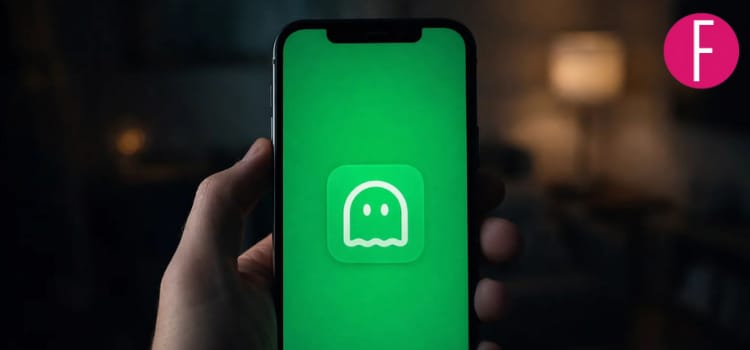
At first glance, Sileme seems almost absurd in its simplicity. Once a day, users tap a green button to confirm they are alive. If they fail to check in for two consecutive days, the app automatically notifies a pre-selected emergency contact. There’s no GPS tracking, no social feed, no wellness coaching — just a stark digital pulse check.
Yet this minimalist design has struck a nerve in a society undergoing one of the most dramatic demographic shifts in its history.
A Perfect Storm of Loneliness
China is hurtling toward an unprecedented milestone: nearly 200 million single-person households by 2030, up from around 125 million just a few years ago. Rapid urbanization, soaring housing costs, record-low marriage rates, delayed childbearing, and a rapidly aging population have collectively fractured the traditional family safety net.
This “atomization” of society is most visible among two growing groups:
- Young urban professionals, often dubbed “nest-drifters,” who live alone in tiny apartments, work punishing hours, and maintain increasingly fragile social ties.
- Elderly empty-nesters, whose children have migrated to distant megacities, leaving them to age alone in their homes.
Across social media platforms like Weibo and Xiaohongshu, one haunting question keeps resurfacing:
“If I died at home, who would even know?”
Sileme exists precisely to answer that fear.
Dark Humor, Real Anxiety
Part of the app’s viral success lies in its provocative name. Sileme is a deliberate parody of Ele.me, China’s ubiquitous food-delivery platform whose name means “Are You Hungry?” By flipping a mundane daily question into a life-or-death check, the app taps into the kind of dark, self-aware humor that resonates deeply with China’s Gen Z and millennial users.
This generation, shaped by relentless competition, economic pressure, and social isolation, has embraced black humor as a coping mechanism. “Are You Dead?” may sound grim, but to many users, it feels uncomfortably honest.
Initially launched as a free app, Sileme quickly switched to a one-time fee of 8 yuan (about $1.15) after server demand skyrocketed — a clear indicator of how widespread the anxiety it addresses truly is.
More Than a Utility
While critics point out that a delayed alert is no substitute for professional medical monitoring or emergency services, Sileme’s appeal isn’t really about technology. It’s about reassurance.
For students in crowded dorms who still feel invisible, young professionals living far from family, and seniors navigating independent aging, the app offers a small but meaningful sense of being accounted for. A daily tap becomes a ritual — proof that someone, somewhere, would notice if they disappeared.
In that sense, Sileme is less a safety tool and more a mirror reflecting modern China’s emotional landscape.
From “Are You Dead?” to the World
The app’s creators — a small team of post-95 developers — never anticipated its runaway success. Now, they’re preparing for international expansion under a softer name: Demumu. The “De” nods to “death,” while “mumu” is meant to sound gentle and approachable, acknowledging that Western audiences may find the original name too jarring.
Even within China, discussions are underway about rebranding Sileme itself. Alternatives like “Huozheme” (Are You Alive?) or “Are You Okay?” have been floated to address concerns about superstition and cultural sensitivity.
A Cultural Barometer of Modern Life
Sileme’s rise underscores a profound paradox of the digital age: never have people been more connected, yet so many feel utterly alone. As traditional family structures weaken and community bonds erode, apps like Sileme are stepping in to fill the emotional and practical gaps.
The app’s success doesn’t just reflect clever design or viral marketing — it reveals a deeper societal unease about isolation, aging, and the fear of going unnoticed.
In a sprawling urban landscape where millions live alone behind locked doors, sometimes all it takes is a single daily question — “Are you still here?” — to remind people that being seen still matters.
Source: CNN, Wired, BBC


Comments 2