

From Rockstar, Jab We Met, Tamasha and Chamkila to now Main Vaapas Aaunga, every new Imtiaz Ali film arrives with a different kind of pressure. Not just because of his track record, but because audiences walk into his stories expecting to feel something they can’t quite put into words. This time, he trades road trips and self-discovery for a deeply emotional tale rooted in memory, loss, belonging, and the wounds left behind by Partition.
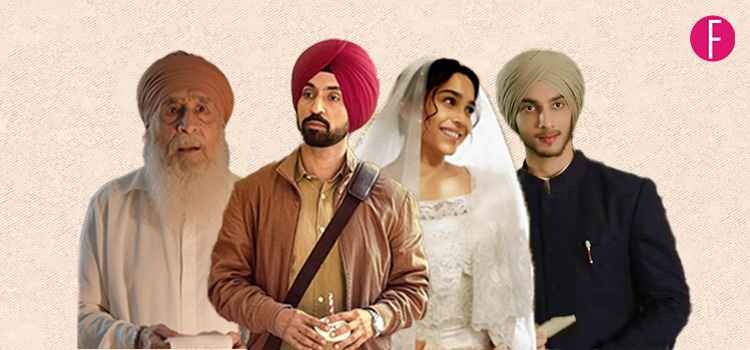
Main Vaapas Aaunga follows a 95-year-old man, Keenu, whose last wish is to go back to Sargodha – a city where he once lived and left behind the love of his life. The movie takes us through the journey between the past and present in Punjab during the era of partition, where Imtiaz Ali has used romantic themes along with the theme of home. The movie stars Naseeruddin Shah, Diljit Dosanjh, Vedang Raina and Sharvari.
The irony is that the audience, true to form for the world of Imtiaz Ali, is very much polarised. For some, this is the director at his best — making cinema that is poetic, emotional, and humanly devastating. There are those who appreciate the film for its exploration of themes like longing, memory, and the trauma of Partition, with some even going so far as to call it his most poignant work in a long time. Others see the film not so much as a love story, but rather as a reflection on memory, identity, and loss. Regardless of whether viewers loved every second of it or felt certain portions dragged, the fact remains undeniable that it has sparked discussion.
As far as audience reactions at the theaters go, no one had a dry eye by the time the movie ended. Audiences are speaking out about their experiences in the theater and describing how some were in tears and gave the movie a standing ovation. However, when all was said and done, there was one part that seemed to bring all the viewers together, and that was the end credits. It seems that most of the audience members are discussing on social media how the film’s end credits made the whole experience better for them.
Don’t worry – we’re not spoiling what’s in the credits for you. But let’s just say that by the time the screen faded to black, even some of the film’s biggest critics seemed willing to forgive its flaws. Love it, like it, or feel conflicted about it, Main Vaapas Aaunga appears to save one of its most powerful punches for the very end – and that’s exactly what everyone can’t stop talking about.
So, did Imtiaz Ali live up to the sky-high expectations this time? Here’s what X users have been saying about Main Vaapas Aaunga…
Naseeruddin Shah – Powerhouse of talent
From Keenu being restless, to Keenu trying to explain his pain, to Keenu asking Jiya’s permission to finally take his last breath, Naseeruddin Shah has shown us what it feels like to be in love with someone you haven’t seen in the last 78 years, but still carry that love with yourself till you die, someone who also carries the horrors of Partition within him. Someone who is just not able to take his final breath because he has to take permission from his lost love – Naseeruddin Shah made us all tear up.
Sharvari, Vedang & The Storyline That Won Us Over
Perhaps the best time to watch Sharvari and Vedang together through the lens of Imtiaz Ali is in a story that feels like a journey through an entire lifetime – one that has so much to give, from the innocence and hope of old-school love to the brutal and disturbingly real horrors of Partition. It’s a world where romance isn’t just soft or poetic, but deeply rooted in lived experience – where people who survived Partition didn’t just leave behind their homes, but in many ways left behind pieces of their souls and hearts too.
But Was It A Win-Win For Everyone Who Watched?
While the film received a massive round of applause and widespread appreciation, with many praising it heavily, there are a handful of viewers who felt quite differently. For some, it didn’t quite meet the standard Imtiaz Ali has set for himself with films like Rockstar, Jab We Met, and Chamkila. However, we’ve seen this before with Laila Majnu as well – initially considered a flop at the time of release, it later found a second life years after its re-release, eventually gaining far more popularity and becoming widely loved. So maybe, just maybe, this could be one of those films that grows with time and finds its true audience later on.
Whole Movie On One Side – End Credits On The Other
Building up the entire film around love and the pain that comes with it, along with the brutal reality of war and Partition, and then in the very end showing footages related to Palestine, ICE, and other current world crises – it felt like the perfect moment to include all of this, especially with what is happening around the globe. It came across as a silent message to everyone watching, that horrors – the pain, the brutal reality, the memories – never really leave you if you survive something as devastating as war. Even after 78 years pass by, the weight of it still lingers.
Have you watched it yet? Drop your thoughts in the comments below!

