

With Mehru gradually coming into her own, it is refreshing to see her take charge. We are glad the transformation is subtle & we still get to see a glimpse of her past life in flashbacks, to better understand her sense of loss.
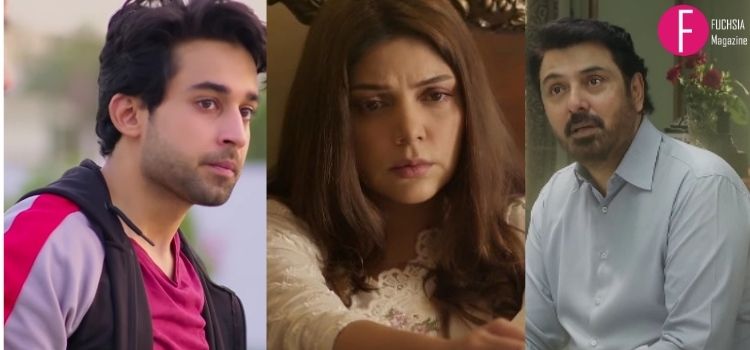
It is refreshing to meet female characters who convey deeper shades that a mere black or white. Mehru is rediscovering her old self, yet keeping up with the decision making that is expected of her. It takes courage to stand up against an older sister in law, that too a dominating personality like Durdana.
And she’s doing it with grace & dignity.
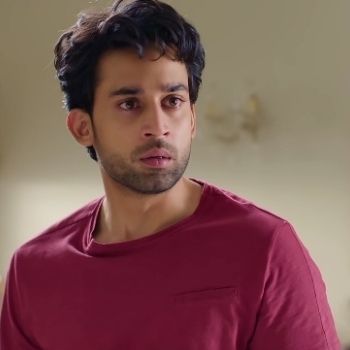
Bilal Abbas Khan as Maahir proves yet again why audiences root for his performance.
Maahir opting to eat dinner by himself really broke our heart. He is able to win our sympathies despite some of his questionable actions, that is how beautifully the script is penned, directed & performed.
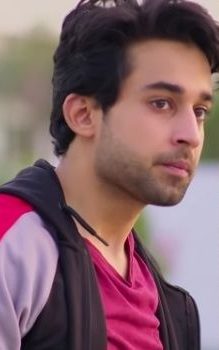
Not just that, but the rapid switchover from sad to carefree, and then angry again is so well played by Bilal. Every mood of Maahir appears fully justified, that is the immense pull of this character.
Some Thoughts On Young Mehrunnisa
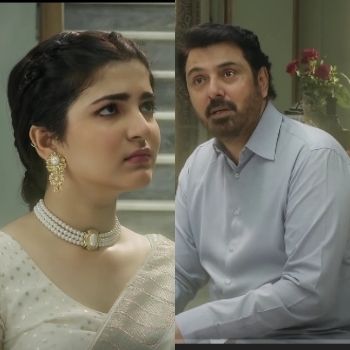
Would she have eventually fallen in love with her husband if he had not micro managed each & every aspect of her life, personal choices & preferences?
Will Mehru’s children fully grasp her feelings & respect her for them?
On Parenting & Second Marriages
Maahir’s stepmom is winning zero points for being so harsh with him … we wish she would be a bit more civilised & his father would speak up for him too.
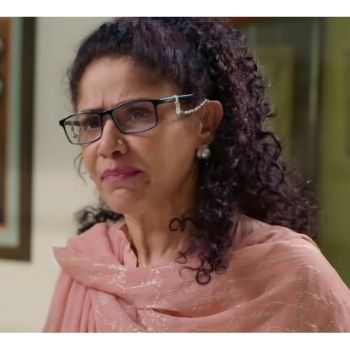
On the other hand, Maahir’s mom is not able to understand the pain she has inflicted on her growing son. Maahir’s defiance, yet silent call for help, (won’t you ask why I still the money) are a stark reminder of why we must communicate with our children every step of the way, especially if they are part of a broken family.
Dobara is giving us food for thought, the story unfolding in bite-size chunks, giving us time to shift gears and slip into the lives of Maahir & Mehru

