

Massive wildfires broke out near Jerusalem at the end of April 2025, engulfing forests, displacing thousands, and prompting nationwide emergency responses. The fires, fueled by extreme heat and strong winds, disrupted national holidays, endangered lives, and reignited debates around arson, climate change, and emergency preparedness in Israel.
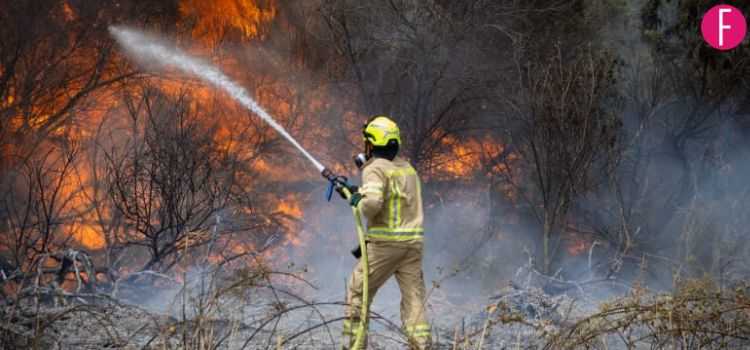
The fire broke out on Israel’s Memorial Day for fallen soldiers, leading to the cancellation of many ceremonies marking the eve of its 77th Independence Day, including the main state event that was scheduled to take place in Jerusalem.
Here’s What Happened
The fires began on April 30, 2025, near Route 1—the major highway between Jerusalem and Tel Aviv. Within hours, flames spread uncontrollably through dense pine forests in the Latrun and Sha’ar Hagai areas. Due to dry conditions and high winds, the fire moved quickly, forcing drivers to abandon their vehicles as thick smoke covered the highway. The situation intensified into the night, with flames visible from Jerusalem’s outskirts.
As the blaze grew stronger, authorities evacuated several communities including Neve Ilan, Shoresh, Yad HaShmona, Nataf, and Eshtaol. Over 7,000 residents were ordered to leave. Emergency services shut down major roads, train routes, and public parks. Hadassah Hospital even relocated non-critical patients as a precaution.
The wildfire damaged areas that were central to holiday gatherings, including Canada Park and sections of the Jerusalem hills. The Jewish National Fund reported that over 5,000 acres of forests and natural reserves were destroyed.
More than 160 firefighting units and 12 aircraft were deployed, supported by IDF helicopters and bulldozers. At least 20 civilians were treated for smoke inhalation, including children and elderly individuals. Seventeen firefighters also suffered minor injuries. Jerusalem’s air quality sharply declined, with pollution levels among the highest globally during the peak of the fires.
Initial reports suggested hikers might have accidentally started the fire in the Mesilat Zion area. However, suspicions of arson quickly followed. Prime Minister Benjamin Netanyahu announced the arrest of 18 suspects, although police later clarified that only three had been detained for questioning. One of the suspects was found carrying flammable materials, adding weight to the arson theory. In response to the growing crisis, several European countries—including Greece, Italy, Croatia, and Cyprus—sent planes and crews to help Israeli teams control the blaze.
President of Israel, Isaac Herzog linked the incident to broader environmental issues, urging stronger climate policies and better disaster preparedness. By May 1st, officials declared the fire under control. Residents began returning to their homes, and blocked roads gradually reopened. While no houses were lost, the damage to Israel’s woodlands and air quality was extensive.
The full environmental impact of the Israel fires is still being assessed, and efforts to restore the damaged woodlands will take time, and the reason for the fire is still being investigated as authorities weigh both accidental and deliberate causes.
Sources: The Independent, Al Jazeera, BBC, and ARY News.

