

Behind the veil of Pakistani society, a dark secret persists: domestic violence. Countless women suffer in silence, trapped in cycles of abuse.
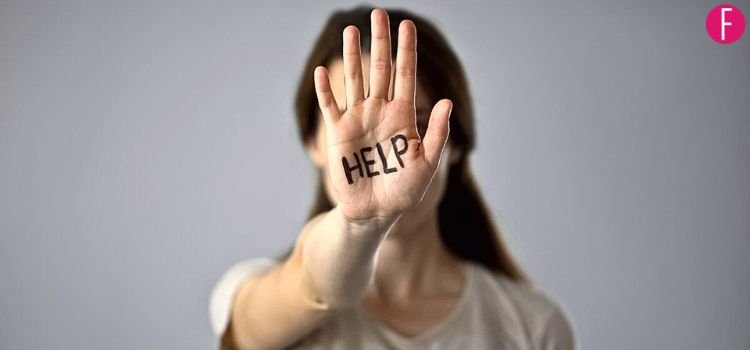
Domestic violence, a pervasive issue globally, is a particularly acute problem in Pakistan. Defined as any form of physical, sexual, emotional, or economic abuse within a household, it disproportionately affects women and children. Shockingly, statistics reveal that a significant percentage of Pakistani women endure some form of domestic violence, with many cases going unreported due to fear, shame, or societal pressures.
Recent Victims Of Domestic Violence In Pakistan
The issue is a deeply rooted problem in Pakistan, with countless women enduring unimaginable suffering. Following are the recent cases as essayed in Pakistani dramas that have brought the issue into the spotlight.
1. Ayesha Jehanzaib – A Samaa TV Journalist
Pakistani journalist Ayesha Jehanzaib’s case tragically highlighted the brutality of domestic violence. Ayesha, an anchorperson, accused her husband of subjecting her to physical & mental abuse on multiple occasions over a year, with the last incident leaving her seriously injured. This prompted her to file a case against him. The story garnered national attention, raising awareness about the issue. However, in a surprising turn of events, Ayesha later reconciled with her husband in court, dropping the charges. While the reasons for her decision remain unclear, the case serves as a complex reminder of the challenges victims face in seeking justice and the need for support systems to empower them throughout the process.
The case bears a striking resemblance to the popular drama, “Pakeezah,” featuring Amina Sheikh. In the series, a renowned visual artist is trapped in a tumultuous marriage with a domineering and abusive husband. The drama vividly portrays the psychological and physical torment endured by the wife, mirroring the plight of countless women who silently suffer.
2. Syeda Sania Zehra – A Mother From Multan Murdered Over Property Dispute
The tragic case of Syeda Sania Zehra, a young mother from Multan, exposed the devastating consequences of domestic violence. Found hanging in her home, initial reports suggested suicide. However, her family suspected foul play, alleging Sania endured abuse from her husband and in-laws over property own by her. Family filed a murder case against them, citing evidence of physical violence and suspicious circumstances surrounding her death. The case sparked outrage, highlighting the vulnerability of women experiencing domestic abuse. Sania’s story underscored the importance of thorough investigations and holding perpetrators accountable, especially when domestic violence claims lives.
The case of Syeda Sania Zehra tragically mirrors the complexities explored in the drama “Aakhri Station.” This series intertwines the narratives of seven women from diverse backgrounds, confronting pressing societal issues such as HIV, drug addiction, depression, and domestic violence. While these characters’ paths converge on a train, their shared experiences highlight the universal nature of women’s struggles across different age groups and socioeconomic strata, its character Shumaila put a spotlight on the horrific cruelty of domestic abuse.
3. Aimen Fatima – A Mother Killed For Giving Birth To Girls
The horrific case of Aimen Fatima, a pregnant woman from Jaranwala, sadly exemplifies the deadliness of domestic violence. Aimen, a 20-year-old mother tragically lost her life and unborn daughter at the hands of her husband over giving birth to daughters instead of son. The details surrounding the incident remain unclear, but reports suggest she suffered prolonged physical and emotional abuse throughout her pregnancy. This case serves as a stark reminder of the vulnerability of pregnant women experiencing domestic violence and the devastating consequences it can have on both mother and child. Aimen’s story highlights the need for immediate intervention and robust support systems to protect victims, especially those facing additional vulnerabilities like pregnancy.
The Aimen Fatima case tragically echoes the narrative of dramas like “Rehaai.” The series highlighted the pervasive issues of child marriage, pressure to conceive sons, and the psychological and physical abuse women endure. The male protagonist’s aggressive demeanor created a toxic environment for his mother, wife, and young bride. While “Rehaai” ultimately offered a hopeful conclusion, the harsh reality is that many women remain trapped in abusive relationships, unable to escape their tormentors.
What Can Be Done?
To effectively address domestic violence, a multi-faceted approach is essential. Strengthening legal frameworks, providing accessible shelters and support services for survivors, and raising awareness about women’s rights are crucial steps. It is imperative to challenge societal norms that perpetuate gender inequality and victim-blaming. Additionally, empowering women through education and economic opportunities can help them break free from abusive relationships. By fostering a culture of zero tolerance for domestic violence, we can create a safer and more equitable society for all.
Numerous NGOs and helplines are dedicated to supporting victims and survivors. Organizations like the Aurat Foundation, War Against Rape, and the Human Rights Commission of Pakistan offer essential services including counseling, legal aid, and shelter. Additionally, the Pakistan Police has established women’s desks in many police stations to provide a safe space for reporting domestic violence. Remember, you are not alone, and help is just a call away.
Legal Laws Against Domestic Violence In Pakistan
Pakistan has taken strides in addressing domestic violence through legislation. The Domestic Violence (Prevention and Protection) Act, passed by various provinces, provides a legal framework to protect victims. Key provisions include defining violence, establishing protection orders, and outlining procedures for filing complaints. Sections pertaining to harassment, threats, and physical or psychological abuse are covered. Now your case of domestic abuse will be recorded as per relevant sections of the Pakistan Penal Code, 1860.
It can be filed under Section 332 (Hurt) — whoever causes pain, harm, disease, infirmity or injury to any person or impairs, disables or dismembers any organ of the body or part thereof of any person without causing his death, is said to cause hurt. Section 337 (Shajjah) — whoever causes, on the head or face of any person, any hurt which does not amount to itlaf-i-udw or itlaf-i-salahiyyati-udw, is said to cause shajjah. Section 376 (Punishment for rape) — whoever commits rape shall be punished with death or imprisonment of either description for a term which shall not be less than ten years or more than 25 years and shall also be liable to fine.
Ultimately, ending the issue requires collective action. Individuals, communities, and the government must work together to protect victims, bring perpetrators to justice, and prevent future occurrences. Only through sustained efforts can we hope to eradicate this pervasive and destructive form of violence.
Sources: Dawn, Samaa & Daily Aaj

