

Kiran Siddiqui, the writer of Parwarish, is in the house today!
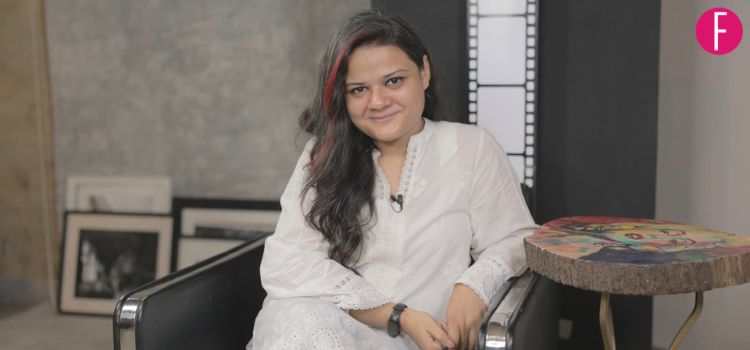
While watching Parwarish, you might’ve found yourself wondering—who’s the mind behind these powerful dialogues and layered characters? And if you’re Gen Z, chances are, your brain was racing with a hundred thoughts, trying to figure out who managed to capture these emotions so accurately. Well, wonder no more! The brilliant writer behind Parwarish, Kiran Siddiqui, is in the house today at FUCHSIA for a fun-filled chat and an exclusive behind-the-scenes scoop.
Keep scrolling!
How Kiran Siddiqui Totally Nailed The Gen Z Vibe, Pookie And All?
I will give this credit to my cousins who belong to Gen Z.
Kiran Siddiqui
Kiran Siddiqui revealed that her inspiration for Gen Z lingo came straight from the source — her younger cousins. She didn’t sit down thinking, “Let me write Gen Z language,” but since the characters — Wali, Maya, and Amal — belong to that age group, the tone just came naturally. Their slang, their emotional rants? All very much borrowed from real life.
She also mentioned that it hit her later — this was Gen Z talk. It wasn’t a conscious effort to coin a new dialect, but rather an honest reflection of how today’s youth communicates. From conversations with her cousins to everyday observations, she picked up their rhythm, their phrases, and their whole vibe. That’s how the iconic “Pookie” energy found its way into the script — not planned, just lived.
Kiran Siddiqui Kept It Real About Mental Health
I think as the times are changing, there are a lot of mental health issues. They might go unseen, they might go unnoticed but they’re there.
Kiran Siddiqui
Kiran Siddiqui shared that highlighting mental health was a conscious decision, and it stemmed from real conversations within her own home. With her sister being a therapist, she was exposed to the small yet significant signs people often overlook — like constant leg-shaking, restlessness, or a lack of focus — all possibly linked to anxiety. These subtle cues became the foundation of how she shaped characters like Anya and Amal, both of whom display clear signs of mental distress.
Kiran Siddiqui Broke Down Parenting In The Digital Age
Parenting is literally the toughest job.
Kiran Siddiqui
Kiran Siddiqui reflected on how parenting is one of the hardest jobs out there — even just watching from the outside, it’s exhausting. She explained that raising a child today means guiding someone born in a completely different time, while you yourself are slowly becoming outdated. What was once considered wrong in your generation might now be totally normal for them.
She shared that every new generation brings uncertainty — new ideas, new lives, and new perspectives. That uncertainty is what triggers fear in parents, who worry things might go wrong. In her view, good parenting requires emotional intelligence, articulation, and education. Parents should be able to calmly explain their perspective, not just impose it. But she acknowledged that doing all this daily — while keeping up with ever-evolving kids — isn’t easy. That’s why many parents resort to shielding their children by being overly strict. What parents see as protection, kids might see as control or even abuse.
Amal, Wali, and Maya – Kiran Siddiqui Says They’re All Of Us, Just Trying To Figure Life Out
Writing, what I have experienced till now, is that writing is a lot of your subconscious working.
Kiran Siddiqui
When asked how she created Amal, Wali, and Maya, Kiran Siddiqui opened up about something deeply personal — that writing for her, is largely the work of the subconscious. She shared how even a simple, everyday scene can unknowingly reflect who you are and what you’ve been through.
Kiran revealed that Amal, Maya, and Wali are drawn from real people in her life — her sisters, cousins, friends, and even herself. For instance, Maya is heavily inspired by her older sister, while Amal has shades of her cousin and friends, and Wali reflects the free-spirited artist types around her. Her goal was to create conversations and characters that felt real — people with relatable dreams, messy emotions, and imperfect decision-making. What started as a story from a daughter’s point of view evolved into a layered understanding of parents, too.
She talked about how initially, Parwarish was her way of exploring the mistakes parents make — especially the small ones that leave an emotional dent. But with time, she realized that parents aren’t perfect villains. They’re people too, with insecurities, doubts, and their own battles. Just like Maya struggled with unresolved questions and didn’t tell Wali about her engagement, parents also make confusing decisions while trying to protect their children, often from things like financial hardship or emotional setbacks.
So ultimately, she said, Amal, Maya, and Wali were written to mirror us — the people around us, our friends, and the inner lives we often ignore. They aren’t idealized heroes or villains; they’re just real people, stumbling through life like the rest of us.
Want to hear more from Kiran? Stay tuned for full conversation coming out soon on FUCHSIA’s YouTube channel!

