

Lebanon faced its deadliest day of the ongoing conflict on Wednesday as Israeli forces launched their heaviest air strikes since the war began last month. Civil defense officials reported at least 254 people killed and more than 1,100 injured, with Beirut, the Bekaa Valley, and southern Lebanon hit hardest. Entire neighborhoods have been reduced to rubble, leaving residents trapped and hospitals overwhelmed.
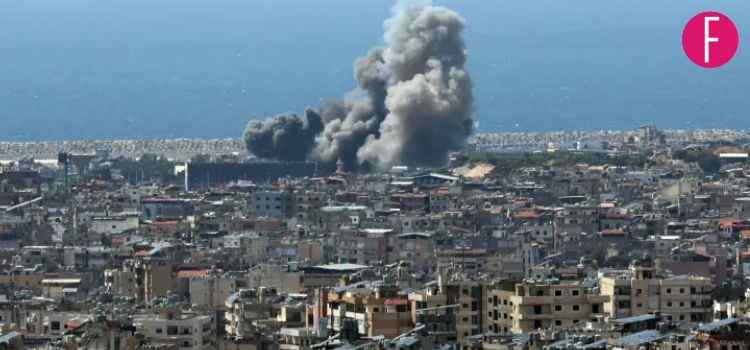
Image Source: Al-Jazeera
The strikes came despite a two-week ceasefire agreement between the United States and Iran, which had temporarily eased tensions in the region. The ceasefire, negotiated with the mediation of Pakistani Prime Minister Shehbaz Sharif, was intended to allow talks and calm the Iran-related conflict. However, Israel has made it clear that Lebanon is not part of this truce. Prime Minister Benjamin Netanyahu stated that Israeli operations against Hezbollah would continue unabated, a position backed by U.S. officials, including President Donald Trump and White House spokesperson Karoline Leavitt. This has added confusion and fear for civilians, many of whom had hoped the ceasefire might allow them to return home.
Hezbollah responded to the strikes by firing rockets into northern Israel, marking the first attacks since the temporary pause took effect. The group said it was defending Lebanese territory from what it called “Israeli-American aggression,” and warned that attacks would continue if Israeli operations did not stop. Iran’s Revolutionary Guard echoed this warning, promising a “regret-inducing response” if strikes persisted.
Lebanese President Joseph Aoun condemned the wave of attacks, calling for Lebanon’s inclusion in the ceasefire. French President Emmanuel Macron has reportedly offered to help broker such an extension. But Lebanon’s government had little say in the original U.S.-Iran ceasefire, leaving the country caught in the middle of regional decisions over which it has no control.
For many residents, the violence has become unbearable. Entire towns south of Beirut are now disconnected from the rest of the country as Israeli forces target bridges and infrastructure in the south, aiming to create a so-called “buffer zone” to keep Hezbollah fighters away from the border. Over 1.2 million people have been displaced, with families crowded into schools, tents, and cars. Many have expressed despair, saying they cannot endure any more destruction.
The situation underscores the fragile and partial nature of the Iran-U.S. ceasefire. While the deal temporarily eases direct hostilities between the two countries, it does not cover Lebanon, leaving the conflict there unchecked. The Pakistani-mediated talks offer a potential path to dialogue, but without broader regional agreement, civilians in Lebanon remain vulnerable.
As the dust settles over the devastated neighbourhoods of Beirut and southern Lebanon, one fact is clear: a true pause in fighting is still out of reach, and the ceasefire with Iran has done little to stop the bloodshed on Lebanese soil.
Sources: Al-Jazeera, BBC, CNN, Reuters, Guardian, New York Times


Comments 1