

Every year in the last ten nights of Ramadan, there is one night Muslims across the world search for with a little more urgency, a little more hope. It’s the night we’re told is better than a thousand months. The night when prayers feel heavier, duas feel deeper and hearts feel a little softer. That night is Laylatul Qadr — the Night of Power.
But what exactly makes this night so significant? And how should we actually approach it?
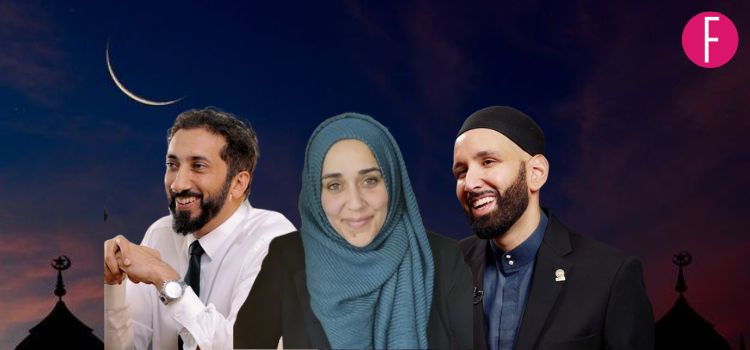
Drawing from the reflections of scholars like Nauman Ali Khan, Yasmin Mogahed and Omar Suleiman, here’s how to understand Laylatul Qadr and how to truly make the most of it.
1. Yasmin Mogahed: Focus on the last ten nights and turn to sincere duas
According to Yasmin Mogahed, the search for Laylatul Qadr begins with the last ten nights of Ramadan, with special attention given to the odd nights. While many people commonly associate the night with the 27th, she encourages believers not to limit their efforts to a single night.
Instead, the idea is to approach the final stretch of Ramadan with consistency — praying, reflecting and making dua each night with the hope of catching Laylatul Qadr.
She also highlights the importance of specific duas during this time. Among them is the well-known supplication asking Allah for forgiveness:
“O Allah, You are the Most Forgiving, and You love to forgive, so forgive me.”
Beyond forgiveness, she emphasises making heartfelt duas for personal needs, guidance and spiritual growth. Laylatul Qadr, she explains, is a moment when believers can ask Allah for both worldly and spiritual blessings, knowing that the night carries immense value.
2. Omar Suleiman: Use the night to seek forgiveness and ask for Jannah
For Omar Suleiman, Laylatul Qadr is ultimately about turning back to Allah.
He often explains that this night should be used to reaffirm belief in the oneness of God, seek forgiveness for past mistakes and reconnect with one’s faith in a deeper way. It’s not simply about rituals — it’s about sincere reflection and humility.
One of the key themes in his talks about Laylatul Qadr is the importance of making meaningful duas. Among the supplications he encourages believers to focus on are asking Allah for forgiveness, praying for Jannah, and seeking protection from hardship in both this life and the next.
In essence, the night becomes an opportunity to reset spiritually — to ask for mercy, to seek a better future and to strengthen the connection with Allah.
3. Nauman Ali Khan: A night of decree, power and unimaginable reward
Nauman Ali Khan describes Laylatul Qadr as a night so significant that an entire chapter of the Qur’an — Surah Al-Qadr — is dedicated to it.
He explains that the word Qadr itself carries multiple meanings: decree, honor, value and power. According to him, this night is when Allah’s decisions for the coming year begin to unfold. Matters related to life, sustenance and major events are set into motion as angels descend with divine commands.
But beyond decree, the night also represents immense spiritual value. When the Qur’an says the night is better than a thousand months, it signals that the reward of worship on this night surpasses what a person could achieve over an entire lifetime.
Nauman Ali Khan also highlights the unique atmosphere of the night — a time when angels descend in great numbers and the earth is filled with peace until the break of dawn.
For believers, the message is clear: approach the night with hope, make dua with conviction and believe that Allah has the power to transform lives.
Laylatul Qadr is not just a night hidden somewhere in the last ten days of Ramadan. It’s a reminder of mercy, forgiveness and the chance to start again.
Whether through heartfelt duas, seeking forgiveness or simply turning back to faith with sincerity, the night offers an opportunity unlike any other in the year. And perhaps that’s why believers continue searching for it — night after night — hoping that this could be the one where everything changes.


Comments 1