

Pakistan has announced sweeping austerity measures, including a temporary closure of schools, a shift to online learning in universities, and the introduction of a four-day work week for government offices, as the country braces for potential economic pressure from a global oil crisis.
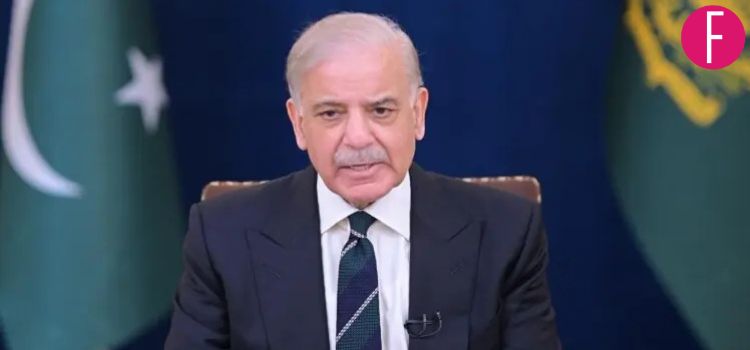
The steps were announced by Prime Minister Shehbaz Sharif in a televised address after a high-level meeting reviewing the impact of rising fuel prices and regional instability on Pakistan’s economy.
The government says the decisions are aimed at conserving fuel and reducing government expenditure as tensions in the Middle East — particularly the US-Israel issues with Iran – push global oil prices higher and threaten supply routes relied upon by Pakistan. Officials warned that the international price of oil has already surged past $100 per barrel, raising concerns about the country’s fuel import bill and inflationary pressures.
One of the most immediate measures is the closure of schools nationwide for two weeks. Under the government’s plan, educational institutions will remain closed from mid-March while universities and other higher education institutions shift to online classes during the same period to keep academic activities running. Authorities have clarified that examinations scheduled during this time may still take place according to existing timetables.
Alongside the changes in the education sector, the government has introduced a four-day work week in the public sector and ordered that up to 50 per cent of government employees work from home. Officials say the move is intended to significantly reduce daily commuting and fuel consumption. Essential services, including healthcare, emergency services and some financial institutions, are expected to continue operating under normal schedules.
The austerity measures extend beyond work and education. The government has ordered a 50 per cent reduction in fuel allowances for official vehicles and directed that 60 per cent of government vehicles remain unused for the next two months. In addition, federal and provincial cabinet members will forgo their salaries during the same period, while salaries of parliamentarians will be cut by 25 per cent as part of the cost-saving initiative.
Other restrictions include a ban on the purchase of new government vehicles, furniture, air conditioners and other equipment until June 2026. Ministers and officials have also been barred from undertaking non-essential foreign trips, while government departments have been directed to hold meetings via teleconferencing and host seminars and conferences on government premises instead of hotels to reduce costs.
Provincial governments have also begun implementing their own measures in line with the federal plan. In Punjab, authorities have announced the closure of schools, colleges and universities from March 10 to March 31 with the option of conducting online classes. Meanwhile, Khyber Pakhtunkhwa and Balochistan have also announced fuel conservation steps and temporary closures of educational institutions, while Sindh is expected to decide on its policy after reviewing the federal directives.
The government maintains that the measures are precautionary and intended to ensure the country remains prepared for any disruption to energy supplies. Officials say Pakistan still has adequate fuel reserves, but the evolving global situation has made it necessary to take early steps to manage consumption and protect the economy from further shocks.
News Sources: DAWN News, GEO News, Express Tribune, and Reuters.


Comments 1